UK Plans for Iran War Food Shortages Scenario
UK plans for Iran war food shortages include a worst-case scenario where a Strait of Hormuz closure cuts CO2 supplies to 18%.
Lauren Collins ·
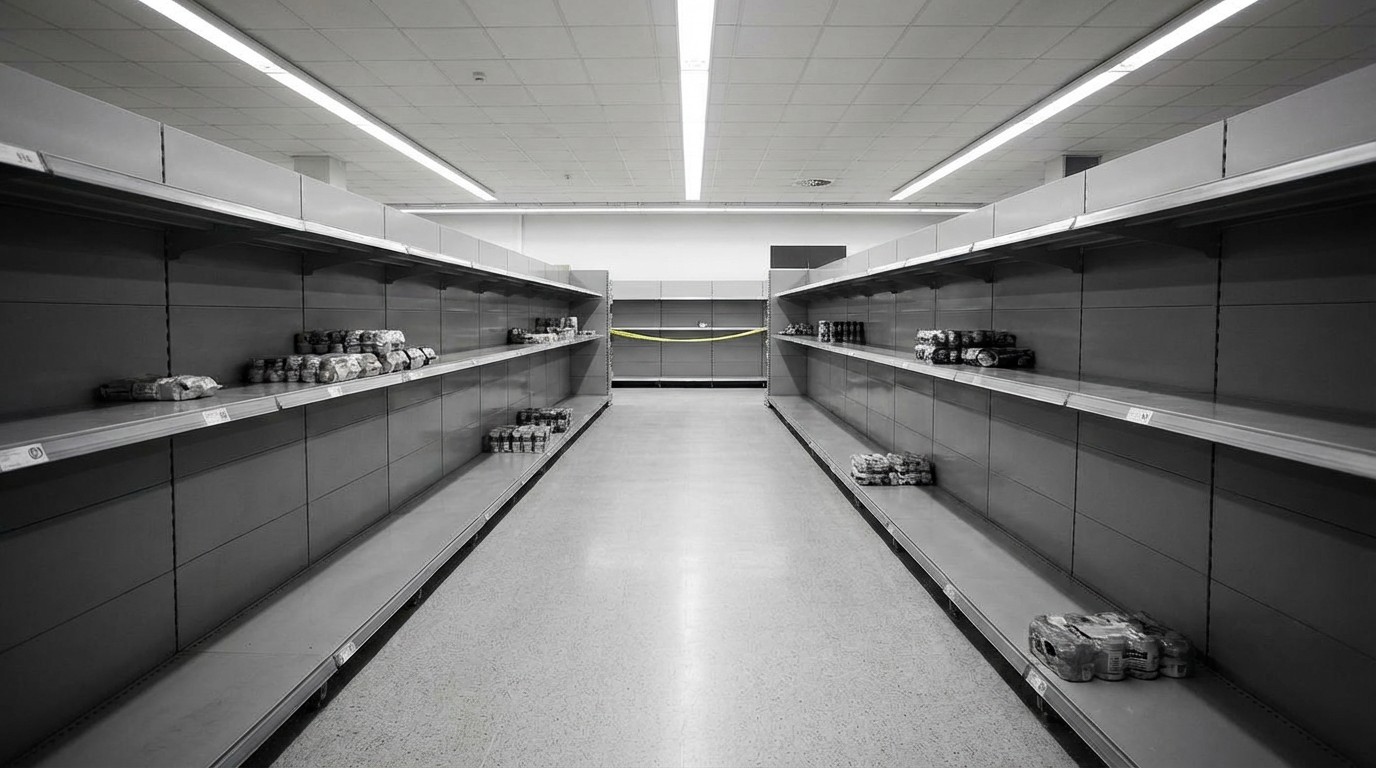
The United Kingdom government is drawing up contingency plans for possible food supply disruption this summer, based on what officials described as a “reasonable worst-case scenario” linked to the ongoing conflict in Iran. Business Secretary Peter Kyle confirmed the work, saying it is designed to reduce potential knock-on effects across the food industry, healthcare, and energy sectors.
Officials’ scenario assumes the Strait of Hormuz remains closed and that this leads to a sharp reduction in carbon dioxide (CO2) availability. Under the planning assumptions outlined by Kyle, CO2 supplies could drop to 18% of current levels. The government’s preparations are intended to ensure the economy can continue operating if that level of disruption materialises.
Kyle highlighted CO2’s role in the food system, describing it as essential for extending the shelf life of packaged products. He also said it is used in the slaughtering process for poultry and pork. In the scenario being modelled, officials said they do not expect “critical food supply shortages,” but they do anticipate that supermarkets could carry a narrower range of products, reducing consumer choice even if overall availability remains stable.
The government is also factoring in the limits of existing buffers. Kyle said the UK has stockpiles, but described them as not suitable as a long-term fix. He said emergency legislation is being considered as a way to maximise CO2 production if needed, indicating that ministers are looking at measures beyond short-term reserves to sustain supply.
Kyle said the Prime Minister has been closely involved in resilience planning since the conflict began. As an example of steps already taken, he pointed to the reversal of the mothballing of the Ensus bio-ethanol plant in Teesside, which he said was aimed at securing CO2 supplies. He added that CO2 availability is not currently a concern, while also saying the government would be transparent if conditions change.
For markets and policymakers, the planning underscores how a disruption tied to the Strait of Hormuz could transmit beyond energy into industrial inputs that support food processing and healthcare operations. The UK’s focus on CO2 availability also highlights the importance of domestic production capacity and rapid-response policy tools when supply chains face stress.