Washington tracker tallies Trump’s progress filling 800-plus top federal posts
Washington Post & Partnership for Public Service tracker: Trump filled 800+ Senate-confirmed admin positions, impacting federal agencies & Capitol Hill.
Sophie McAlister ·
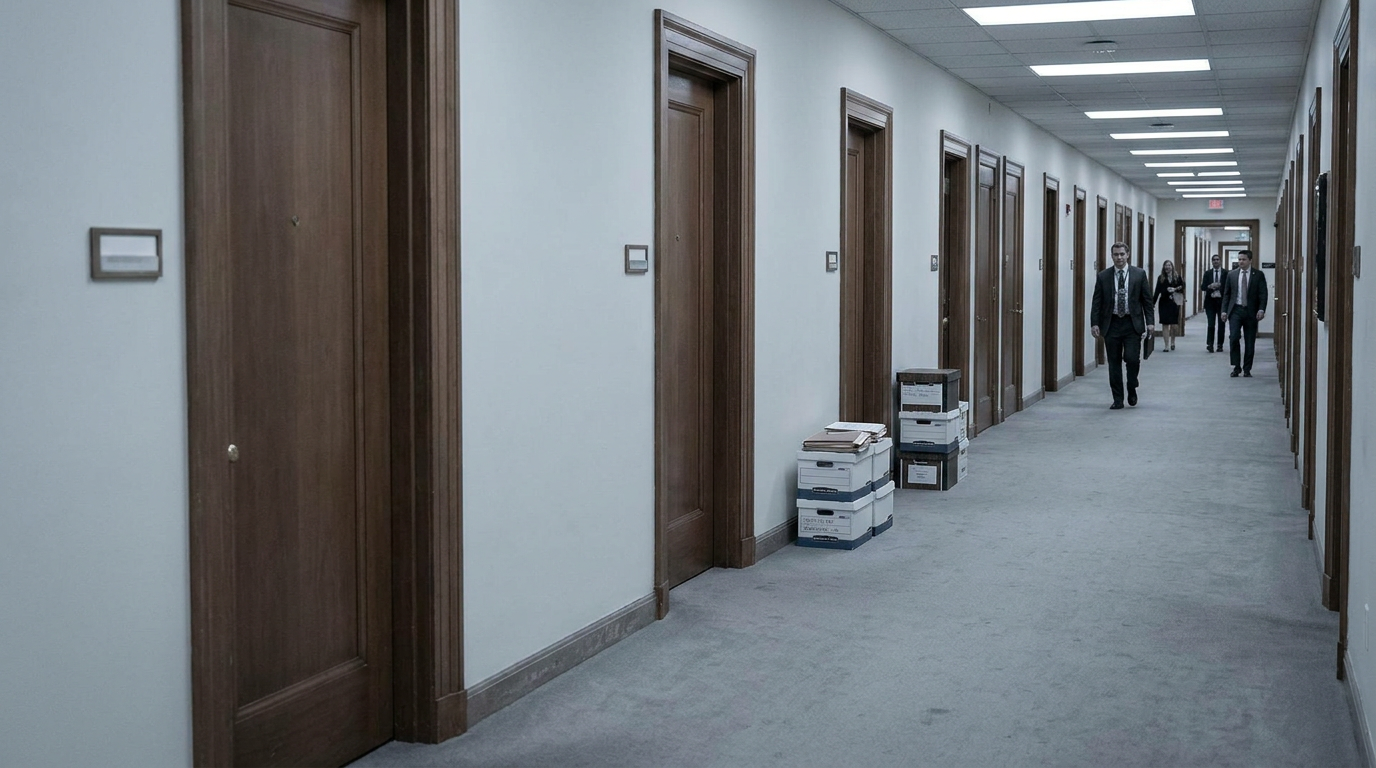
The Washington Post and the Partnership for Public Service have published an updated interactive tracker showing President Trump’s pace of staffing the federal government, reporting that more than 800 administration positions have been filled so far among roughly 1,300 roles that require Senate confirmation. The tracker covers White House and cabinet posts and senior slots across federal agencies based in Washington, D.C., and is maintained as an ongoing resource for reporters, Hill staff and government-watchers.
The database lists appointees and open positions across departments including Justice, State, Defense, Homeland Security, the Environmental Protection Agency and the Office of Management and Budget. Entries include nomination and confirmation status where applicable, helping readers see which roles remain vacant and which have been filled either by career officials, acting leaders or confirmed political appointees.
How the tracker works and what it shows
The interactive tracker combines reporting and public records to tag roughly 1,300 positions that normally require Senate approval and then follows nominations, hearings, confirmations and acting designations. For each post it notes the incumbent status and, when available, nomination dates and confirmation votes. The Post and the Partnership update the tool periodically as nominations move through the White House and the Senate.
Because the tracker spans dozens of agencies headquartered in the District, its updates matter locally: confirmations occur on Capitol Hill, many senior officials will work out of D.C. offices, and staffing shifts change who contractors, law firms and advocacy groups contact to influence policy or secure work. The Partnership for Public Service, a Washington-based nonprofit, co-produces the project, underscoring the local institutional ties behind the dataset.
Vacancies, acting officials and confirmation bottlenecks
The tracker highlights a mix of confirmed leaders, temporary acting officials and long-running vacancies. Acting appointments can sustain agency operations but also limit policy continuity and external oversight. The dataset makes it easier to spot bottlenecks where nominations have stalled in committee or where the Senate has not yet taken up a vote.
Observers in D.C. — including think tanks, industry trade groups and government contractors — use the tracker to map influence and anticipate procurement or regulatory shifts tied to personnel changes. It also serves as a reference for Hill staffers tracking which roles need hearings or floor action to complete the administration’s staffing.
Beyond the raw counts, the tracker functions as an accountability tool. Journalists and watchdog groups can use the timeline and confirmation records to press for hearings and to document how long key offices remain unfilled or led by acting officials instead of Senate-confirmed leaders.
Watch for periodic updates as nominees move through the Senate calendar and as the White House sends new names. The tracker is likely to change as hearings are scheduled, nominations are withdrawn or confirmations complete.