Trump Announces 65 Billion Barrel Venezuela Oil Deal
President Trump announced a potential oil agreement with Venezuela involving 65 billion barrels.
Mateo Fernandez ·
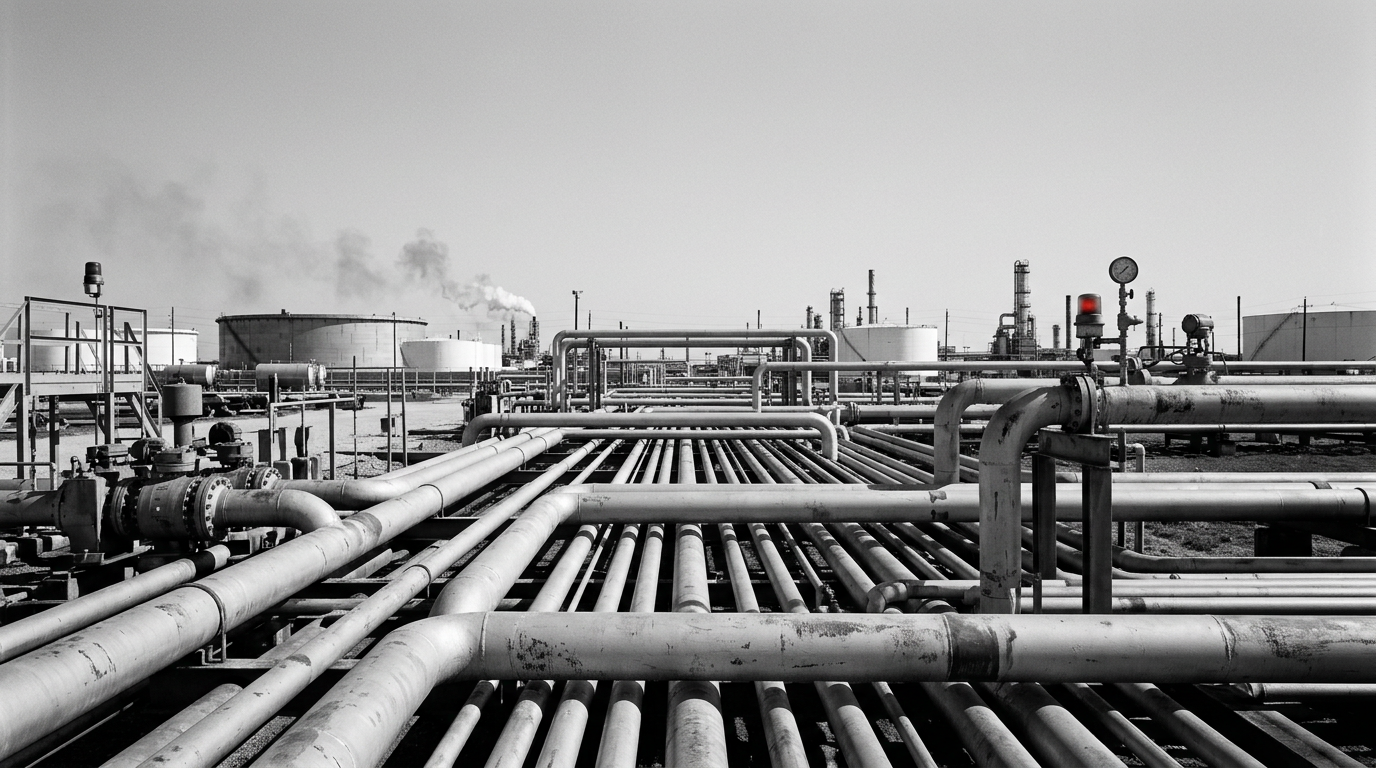
President Donald Trump declared on Friday a prospective oil agreement with Venezuela, potentially encompassing 65 billion barrels of reserves. This announcement, if formally established, would place a substantial volume of crude oil under a potential control framework by Washington.
Venezuela has historically maintained some of the world's largest proven crude oil reserves. However, its production capabilities have been significantly hampered by international sanctions, a lack of investment, and the widespread deterioration of its oil infrastructure over recent years.
Details Await Release
Officials did not immediately release specific details concerning the contract terms, a timeline for its implementation, or the companies that might become participants. The mechanism through which control over these vast reserves would be exercised also remains undefined. These absent elements are critical for market participants, as crude oil reserves do not automatically translate into immediate supply.
Market prices are influenced by physical barrels only when investment capital, lifting capacity, export channels, and necessary sanctions permissions are all aligned. Should this agreement successfully pave a credible path towards increased Venezuelan oil exports, it would introduce additional medium-term supply into the global crude market. This could also intensify competition for heavy oil grades, which are processed by specific refinery types.
Potential Market Shifts and Refinery Impact
Such a development could significantly impact refineries specifically designed to process similar crude types. It might also alter established oil flows, particularly into the U.S. Gulf Coast, contingent on the clearance of licenses, efficient shipping logistics, and functional payment channels. Without enforceable terms, the announcement's immediate impact would likely be restricted to risk pricing rather than affecting physical supply volumes.
For Venezuela, the specific impact at the company level would depend on which state entities or international producers ultimately secure operating rights. Market attention will now focus on potential written statements from either the U.S. or Venezuelan governments. Traders will also be looking for guidance on the status of sanctions and the identification of commercial participants before fully incorporating these 65 billion barrels into long-term supply forecasts reaching buyers.
Historical Context of Venezuelan Oil
Venezuela's vast oil wealth has been a central feature of its economy and political landscape for decades. With the largest proven oil reserves globally, estimated at over 300 billion barrels, the country's oil industry was once a powerhouse. However, under consecutive administrations, particularly in the last two decades, the state-owned oil company, PDVSA, faced chronic underinvestment, mismanagement, and a brain drain.
International sanctions, primarily imposed by the United States, exacerbated these issues, restricting Venezuela's ability to sell its crude on global markets and access crucial technology and equipment for maintenance and extraction. This led to a precipitous decline in production, from over 3 million barrels per day in the late 1990s to less than 1 million barrels per day in recent years. Any new agreement would face the complex challenge of reviving this debilitated infrastructure and navigating the existing geopolitical landscape.