US-Canada Trade Conflict Escalates with Tariff Retaliation
The US imposed 50% tariffs on Canadian imports worth $20 billion, prompting Canada's Prime Minister Mark Carney to announce retaliatory measures on over 700…
Atlas Newsdesk ·
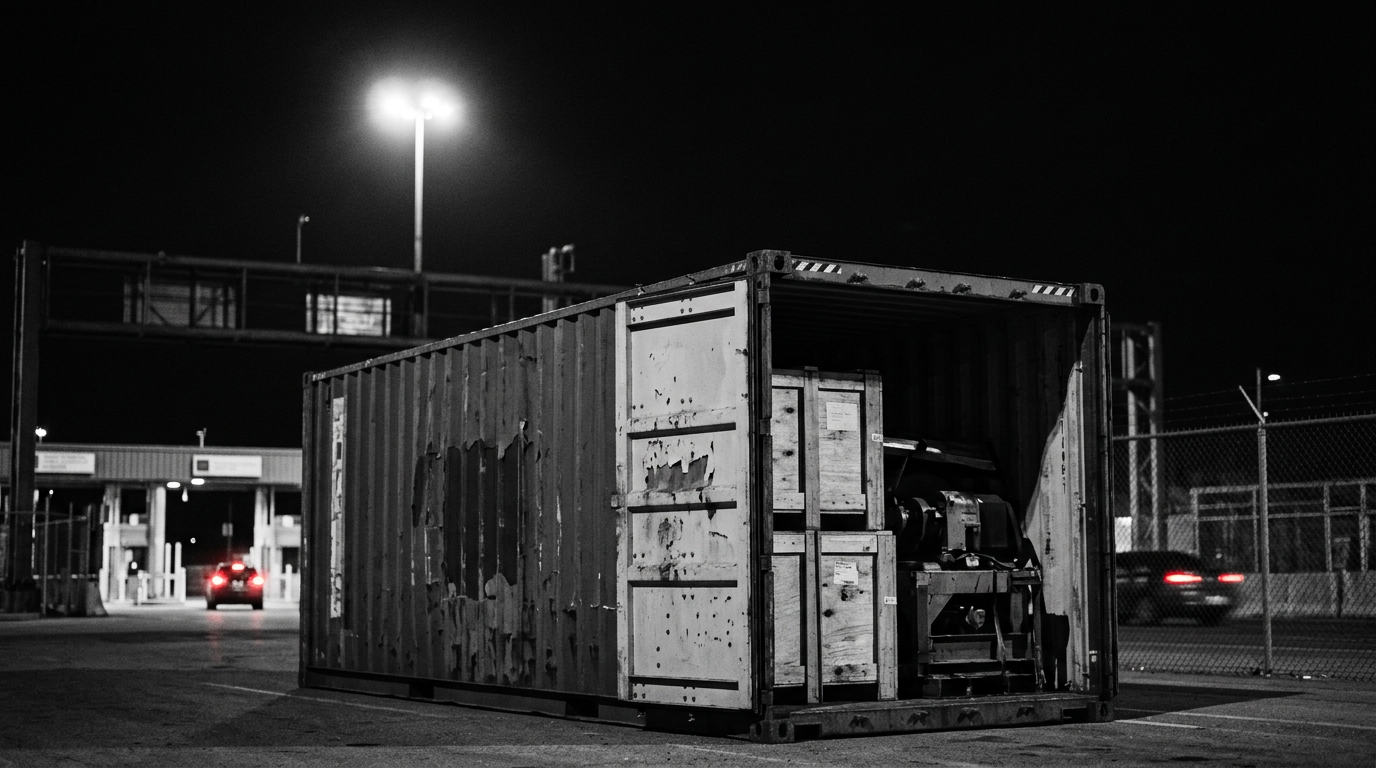
A significant trade dispute has intensified between the United States and Canada, following the failure of bilateral discussions to resolve existing disagreements. On August 29, 2026, the US government officially implemented a 50 percent tariff on Canadian goods, affecting imports valued at $20 billion. This action triggered an immediate and firm response from Canadian Prime Minister Mark Carney, who declared that Canada would introduce its own retaliatory tariffs.
These Canadian countermeasures are specifically designed to target more than 700 US products, aiming to match the financial value of the American tariffs. The new Canadian duties are scheduled to take effect on September 8. Economic analysts are cautioning that this rapid escalation in protectionist duties is likely to have a disproportionate impact on particular Canadian regions, especially its key manufacturing provinces.
Economic Repercussions for Canada
Provinces such as Ontario, Quebec, and New Brunswick are anticipated to experience the most significant economic strain as a direct consequence of these trade actions. While projections suggest the US economy is poised to absorb the financial impact with relatively minor disruption, Canada's economic outlook appears considerably less favorable. Preliminary economic assessments indicate a tangible negative effect on Canada's overall financial health.
Oxford Economics predicts a 0.3 percentage point reduction in Canada's gross domestic product (GDP) for the upcoming year, directly attributable to this escalating trade conflict. Furthermore, industry consultants estimate a potential loss of up to 100,000 jobs across Canada. This forecast is based on anticipated factory closures and widespread disruptions throughout various supply chains within the country.
Broader Trade Agreement Concerns
Despite these recent measures, the current effective tariff rate on Canadian exports remains comparatively low, standing at 6.9 percent. However, economists are issuing warnings that a prolonged trade war could severely jeopardize the stability and future of the United States-Mexico-Canada Agreement (USMCA). This crucial trilateral trade pact, vital for North American economic integration, faces significant risks.
The potential collapse of the USMCA could precipitate a recession in Canada and lead to a long-term decline in its economic trajectory. Beyond the immediate economic sphere, the dispute has also seen an escalation in symbolic diplomatic gestures, further complicating efforts towards a resolution. The deepening dispute raises critical questions regarding future cooperation and trade relations between the two neighboring nations, impacting both immediate financial losses and potentially reshaping regional trade dynamics for years.
Diplomatic Tensions and Future Outlook
The hardening diplomatic stances, exemplified by certain unilateral actions, contribute to the overall tension. Stakeholders across a range of industries are closely monitoring these developments, understanding that the implications extend beyond immediate financial losses. The integrity of the USMCA remains a significant concern for both countries and the broader North American economy. Its potential dissolution would not only amplify economic risks for Canada but also introduce substantial uncertainty for businesses operating across all three member countries.
The ongoing developments will determine the extent of the economic damage and the future trajectory of bilateral relations between the two long-standing trade partners. The interconnectedness of their economies means that sustained conflict will likely generate widespread repercussions.