US yields hinge on inflation, Goldman tells bond buyers
Goldman says US yields need cooler inflation, not bigger Treasury buybacks, after the 30-year yield reached levels last seen in 2007.
Jurgen Goldmeier ·
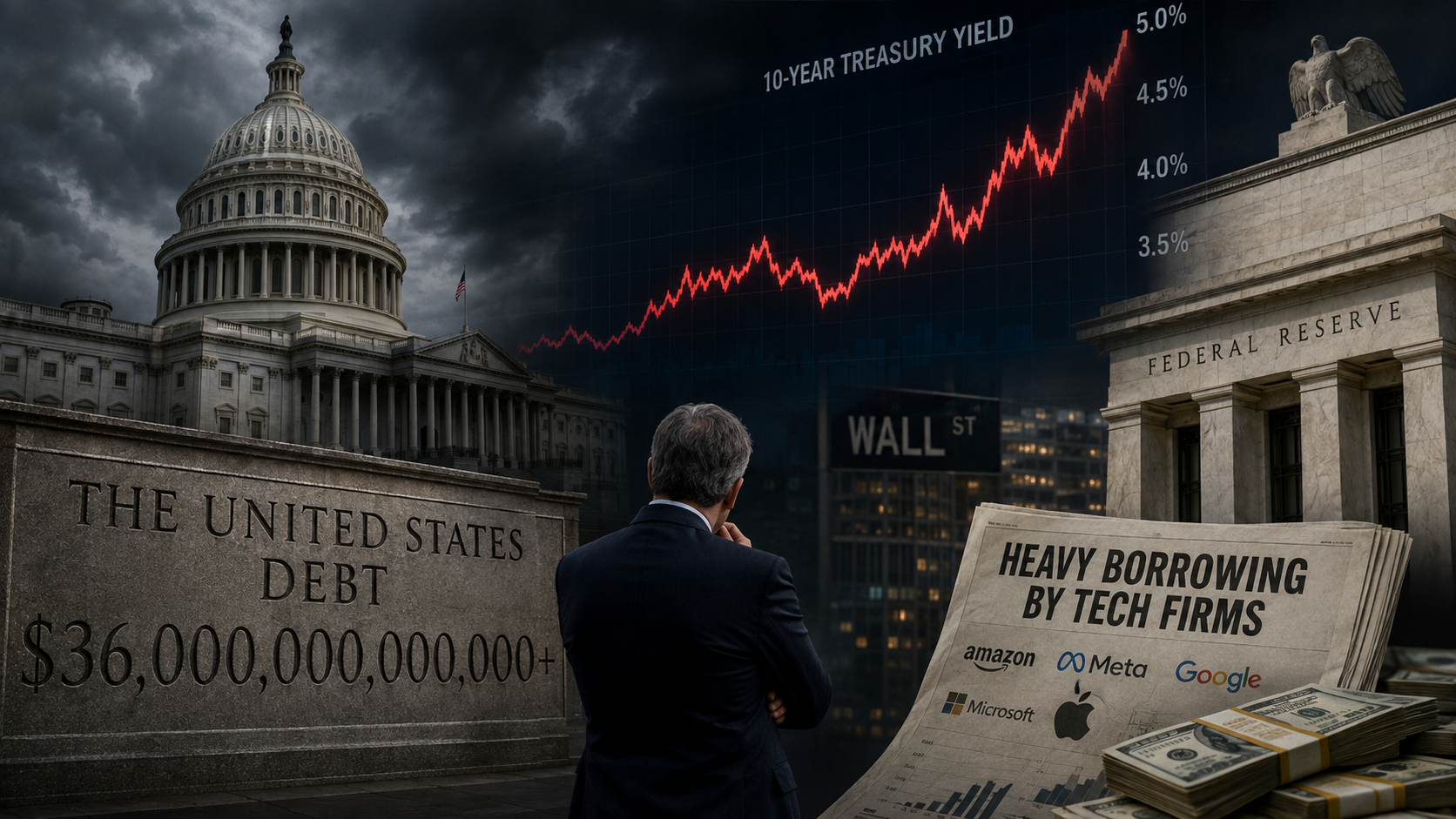
US yields are more likely to fall on cooler inflation than Treasury buybacks, Goldman said, with the 30-year at 5.25%.
Buybacks meet inflation math
Goldman Sachs Group Inc. strategist Friedrich Schaper told clients that the Treasury’s plan to expand debt buybacks may not be enough to lower borrowing costs for long. He wrote that the effects are likely to be "relatively short-lived" without a change in the macro forces pushing yields higher.
Long-term Treasury yields rose this week as investors demanded more compensation to lend to a government carrying a larger debt load. The 30-year yield traded little changed at 5.25% on Friday, near levels last seen in 2007, after inflation concerns and competition from corporate borrowing weighed on the market.
Treasury Secretary Scott Bessent said Thursday that he was prepared to widen efforts to repurchase costlier debt. A day earlier, the Treasury Department said it would increase "by at least double" the size of buybacks for longer-dated securities, compared with the existing program.
A 5.25% long bond
The Goldman note separates a market operation from the economic conditions that investors use to price long bonds. Buybacks can alter the immediate supply picture, but Schaper’s point was that the inflation path and Federal Reserve expectations carry more weight for sustained moves.
Schaper wrote that investors are still assigning "comparatively more weight on upside" risks for US yields, even after several data releases pointed in a softer direction. Retail sales were weaker than expected, employment figures disappointed and underlying US inflation was subdued in July, he wrote.
The Federal Reserve link is central to the call. Schaper said a longer run of benign inflation readings would increase confidence in an on-hold baseline for the Fed and shift the balance of risks back toward lower yields.
Goldman separates tools from trend
For the Treasury, enlarged buybacks are a response to high financing costs and pressure in longer maturities. The announced increase focuses on longer-dated securities, the part of the market where rising yields have the largest effect on future borrowing costs.
For Goldman, the note gives fixed-income clients a hierarchy of signals to track. Inflation data sits above Treasury operations in that framework, while weaker activity data matters mainly if it changes expectations for the Fed’s policy stance.
The wider bond industry faces the same distinction. Banks, asset managers and corporate borrowers can react to buyback schedules, but debt issuance, hedging costs and duration risk remain tied to where investors think inflation and policy rates are headed.
Inflation data sets two paths
If July’s softer inflation pattern extends into later releases, investors may place more weight on a Fed pause and require less compensation for long-term Treasuries. That would ease global dollar borrowing conditions, support Goldman’s client view and reduce pressure on companies planning debt sales.
If inflation risks and corporate bond supply remain in focus, buybacks may deliver only temporary relief, matching Schaper’s warning. That would keep US borrowing costs elevated, reinforce Goldman's cautious message and leave banks, issuers and public borrowers managing a higher long-end rate environment.
The main open questions are whether benign July inflation data repeats in later reports and how large the administration’s fiscal initiative will be when it is unveiled. Until those details arrive, Goldman’s note leaves the clearest test outside Treasury’s hands: the inflation data.