Trump Advisers Detail 2026 Midterm Election Strategy
Trump advisers met with House Republicans to strategize for the 2026 midterms, focusing on policy differences in taxes, crime, and border security.
Cuneyd Erdogan ·
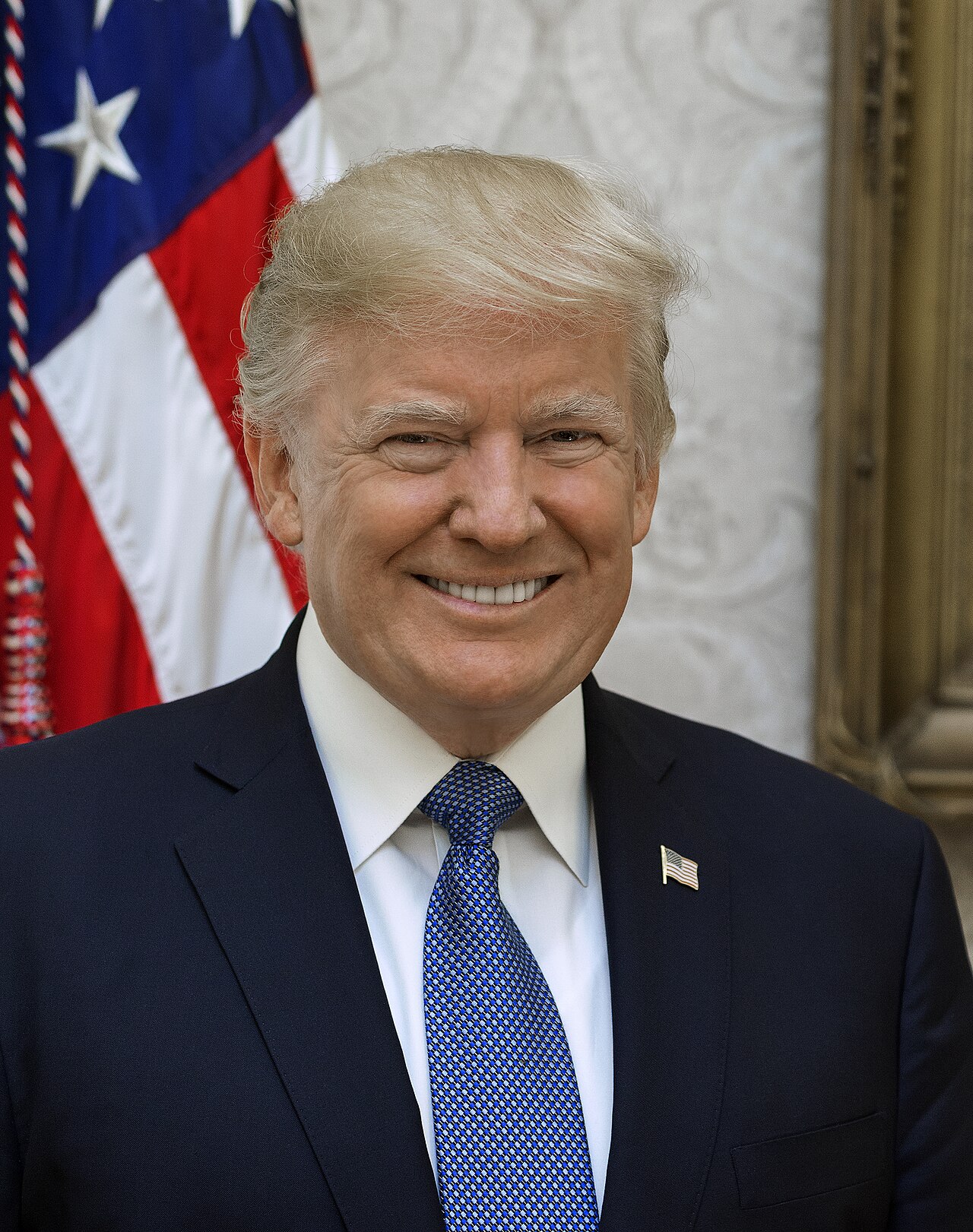
Advisers to former President Donald Trump recently convened with House Republicans to outline a strategic framework for the 2026 midterm elections. The discussions, held on March 9 in Doral, Florida, focused on positioning the upcoming elections as a clear choice between political ideologies rather than a direct assessment of the current presidential administration.
Key figures present included James Blair, former White House deputy chief of staff, and Chris LaCivita, co-campaign manager for Trump's 2024 bid. Their guidance emphasized a strategy designed to counteract historical patterns where the party holding the presidency often experiences losses in midterm congressional races.
Focus on Policy Differences
During the closed-door session, Blair specifically advised Republican lawmakers to shift their rhetoric on immigration. Instead of broadly discussing "mass deportations," the recommendation was to concentrate on the removal of violent offenders, framing the issue around public safety.
Strategic Messaging on Crime and Borders
Panelists at the meeting also addressed organizational and financial aspects. Chris Winkelman, President of the Congressional Leadership Fund, and Richard Hudson, Chair of the National Republican Congressional Committee, underscored the Republican Party's substantial financial resources. They stressed the importance of robust organization, especially given a projected limited number of highly competitive districts in the 2026 cycle.
Navigating Historical Trends and Departures
Analysis of congressional departures indicates that 34 Republicans and 21 Democrats are not seeking re-election in the House. With approximately two dozen districts identified as toss-ups, projections suggest Democrats would need to outperform Vice President Kamala Harris by three percentage points to secure a House majority. This context underscores the strategic importance of the Republican plan to frame the election as a choice on specific policy issues.
Implications
Country Impact: The outlined strategy could significantly influence the national political discourse leading up to the 2026 midterms, potentially shifting focus from presidential performance to specific policy debates on crime, taxes, and immigration. This reframing aims to energize the Republican base and attract swing voters.
Industry Impact: Political consulting, media, and advertising industries are likely to see increased activity and spending as both parties gear up for the 2026 elections. The emphasis on specific policy issues could also influence lobbying efforts by various interest groups related to crime, border security, and economic policy.
Market Impact: While direct market impact is limited at this early stage, the long-term political landscape shaped by these strategies could influence investor confidence and policy expectations. Clarity on future tax policies or regulatory environments, driven by election outcomes, could affect specific sectors.