US Eyes New Tariffs in Trade Shake-Up
The USTR proposes new tariffs of at least 10% on most trading partners, aiming to rebalance trade and protect domestic industries.
Atlas Newsdesk ·
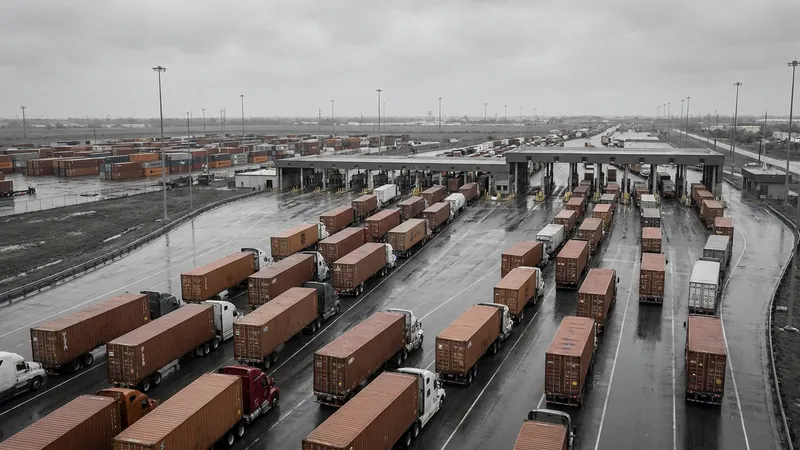
The U.S. Trade Representative (USTR) has proposed new tariffs of at least 10% on most trading partners, a move that could significantly alter international commerce. This initiative, outlined in a recent USTR document, aims to establish a universal baseline tariff, impacting a broad range of imported goods and potentially increasing costs for both consumers and businesses.
Addressing Trade Imbalances
These proposed tariffs are intended to address perceived imbalances in global trade and protect domestic industries. The USTR's strategy suggests these tariffs would be applied to nearly all goods entering the U.S., though specific exemptions have not yet been fully detailed.
Potential Global Repercussions
The implementation of such an extensive tariff system could lead to retaliatory measures from other nations, potentially escalating trade conflicts and disrupting existing supply chains. Economists and industry experts are currently evaluating the potential consequences, which include higher import prices, a reduction in international trade volumes, and shifts in global manufacturing patterns.
The potential enforcement timeline for these tariffs remains subject to further policy discussions and international negotiations.
The U.S. proposal for universal baseline tariffs of at least 10% is expected to cause immediate and significant global trade friction, possibly ushering in a new era of protectionism. This action could prompt retaliatory tariffs from key trading partners, including China and the European Union, potentially leading to a cascade of trade barriers that increase consumer prices, decrease global trade volumes, and disrupt complex supply chains. Businesses, particularly those dependent on international sourcing or export markets, may face elevated operational costs and pressure to relocate production, affecting investment flows and economic growth worldwide.
While the stated goal is to address trade imbalances and safeguard domestic industries, the primary risk lies in escalating diplomatic tensions and undermining multilateral trade frameworks. However, it could also encourage some nations to diversify their economic partnerships. The ultimate impact will depend on the extent of international cooperation and whether exemptions are strategically applied, but a period of heightened economic uncertainty and recalibration of global trade relations appears likely.