Justice Department drops proposed $1.8 billion “anti-weaponization” fund
The Trump administration has abandoned its $1.8 billion “anti-weaponization” fund due to political backlash and legal challenges.
Lauren Collins ·
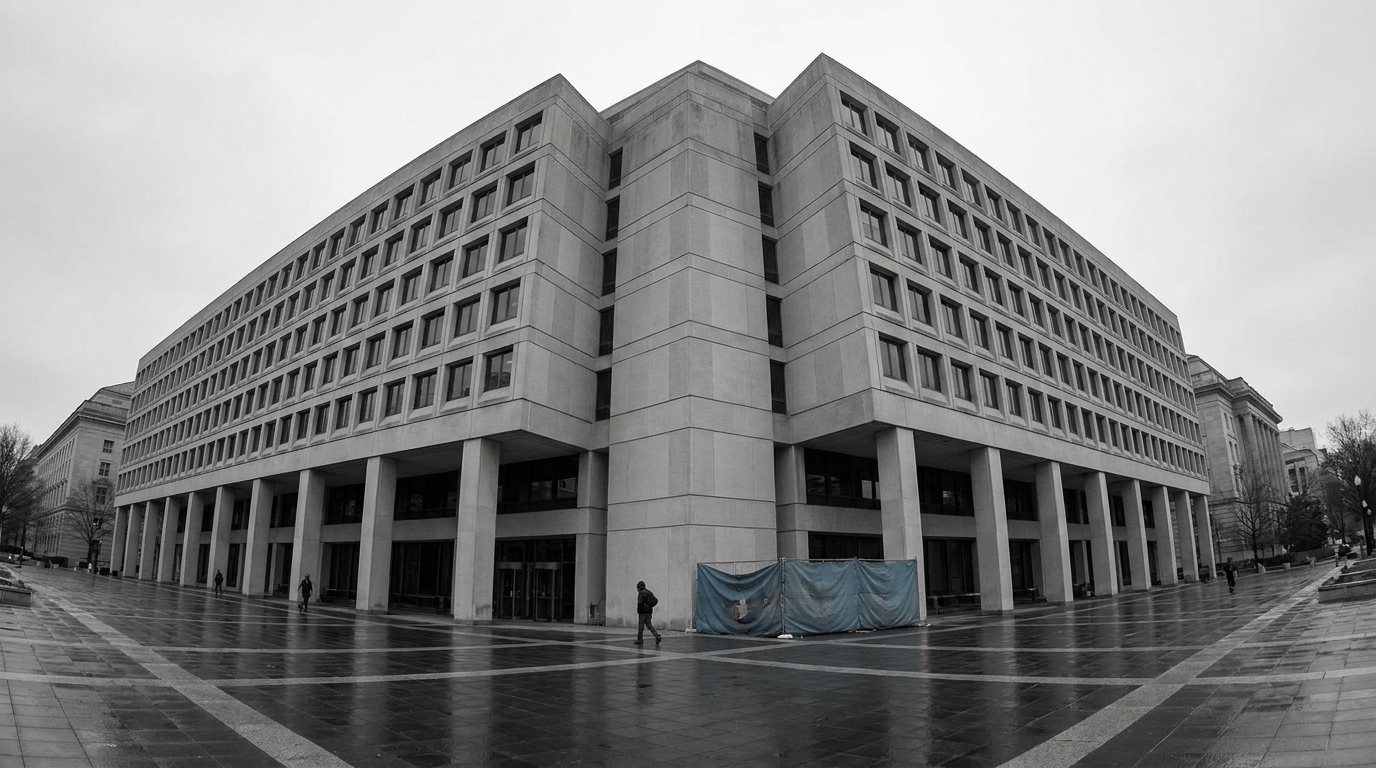
The U.S. Justice Department said it will not proceed with a proposed $1.8 billion “anti-weaponization” fund after political backlash and legal challenges.
Acting Attorney General Todd Blanche confirmed the decision Tuesday, June 2, 2026, in testimony before the House Appropriations Committee. The fund had been pitched as a way to compensate people who say they were harmed by government “lawfare,” language President Donald Trump has used to criticize prosecutions under former President Joe Biden’s administration.
A judge paused the plan last week while court challenges to its legality continue.
The proposal drew opposition from both parties and created friction with Republicans trying to advance a separate immigration-enforcement funding package. Congressional leaders raised doubts about moving a $72 billion immigration enforcement bill if the fund remained in place, according to the source material. White House officials also contacted lawmakers to say no payments would occur, the report said.
Blanche told lawmakers the department was abandoning the fund, marking a reversal from a plan unveiled about two weeks earlier. The department had previously said it would comply with a court order that temporarily paused the fund until June 12.
Settlement terms and IRS dispute
The fund was tied to a settlement stemming from a personal lawsuit Trump filed against the U.S. government, including the Internal Revenue Service, over the alleged mishandling of his tax records. The source material says the lawsuit sought $10 billion.
While the compensation fund will not go forward, Blanche said a separate provision in the settlement barring future audits into Trump’s or his family’s past tax records will remain in effect. The settlement and the proposed fund prompted questions about conflicts of interest because the president has influence over both the IRS and the Justice Department, the report said.
Concerns on payouts and oversight
Lawmakers also questioned whether the fund could end up paying people connected to the Jan. 6, 2021, attack on the U.S. Capitol, including individuals who assaulted police officers. Blanche previously declined to commit to preventing payments to such individuals, according to the source material.
Another major concern was the proposed funding mechanism. The plan would have drawn money directly from the Justice Department’s judgment fund, which lawmakers said would bypass congressional oversight.
Legal challenges remain active, and lawmakers said they will continue to scrutinize how the Justice Department handles any future settlements or compensation proposals tied to political disputes.