Trump administration at crossroads in US-Israel war with Iran
US-Iran tensions escalate with new troop deployments and military objectives, despite mixed signals from President Trump, impacting global markets.
Lauren Collins ·
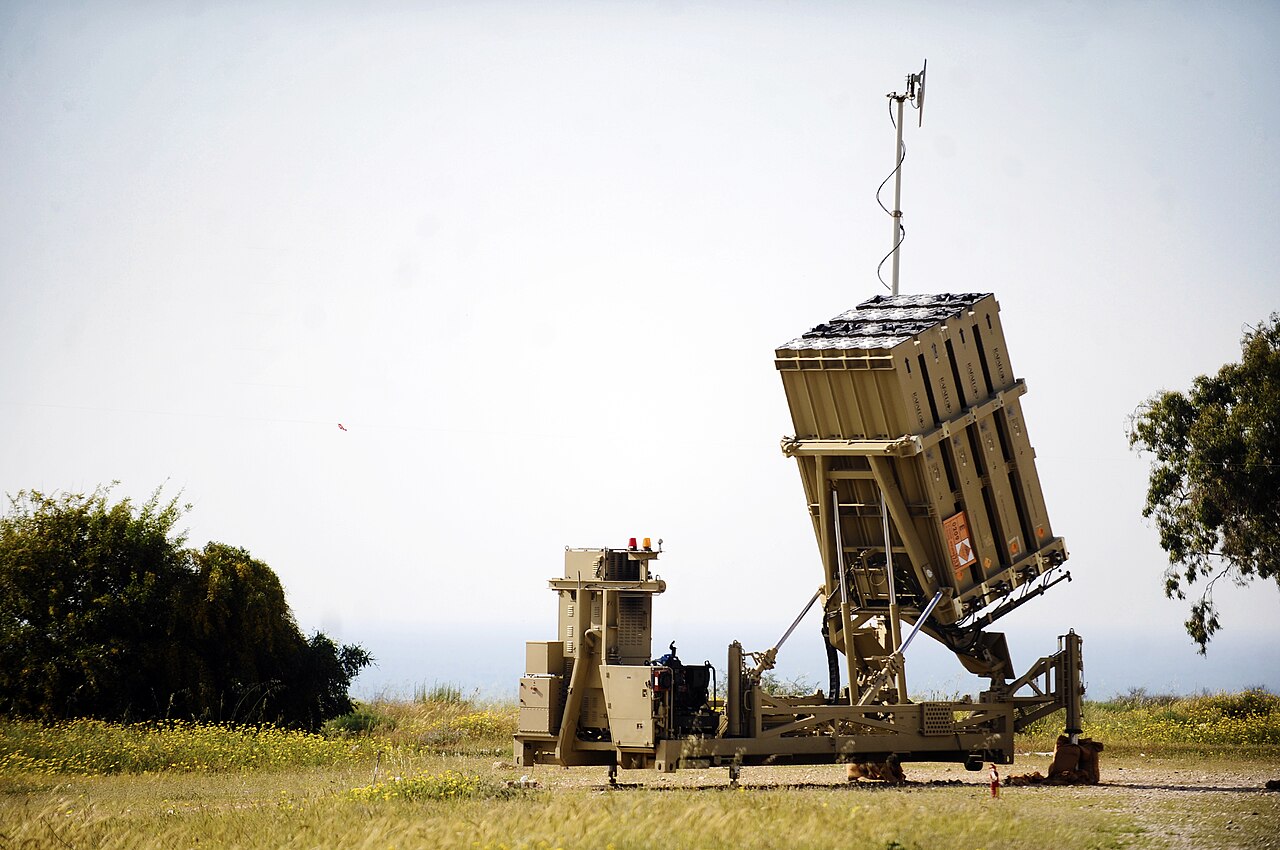
The United States and Israel are engaged in ongoing military actions targeting Iranian assets, a situation that has unfolded over the past three weeks. Despite public statements from U.S. President Donald Trump suggesting a de-escalation, new American ground forces are deploying to the Middle East, indicating a potential for further escalation. These deployments include a Marine expeditionary unit, reinforcing existing military presence in the region.
President Trump recently outlined the U.S. military objectives for the conflict via social media. These objectives include degrading Iran's military capabilities, its defense infrastructure, and its nuclear weapons program. Additionally, the protection of regional allies was cited as a key goal. Notably, securing the Strait of Hormuz, a vital global oil transit chokepoint, was not listed as a direct U.S. responsibility, with Trump suggesting other nations should manage its security.
Strategic Deployments and Objectives
S. stance on the Strait of Hormuz reflects its current position as a net energy exporter, although global oil market volatility continues to influence domestic energy prices. S. Marine forces, comprising approximately 2,500 combat soldiers from Japan and a similar-sized contingent from California, suggests a strategic reinforcement of American military posture in the area. These forces are equipped for various operations, including potential amphibious assaults.
Military analysts have speculated that these newly deployed forces could be positioned to target Kharg Island, which serves as Iran's primary oil export terminal. Such an action would aim to disrupt Iran's oil shipments, a critical component of its economy. Iran has previously issued warnings that any attack on Kharg Island would lead to heightened insecurity across the Red Sea and potential retaliatory strikes against regional energy facilities.
Financial Implications and Regional Warnings
The conflict's geographic scope has extended, with U.S. and Israeli strikes reportedly reaching targets as far as the joint U.S.-UK base on Diego Garcia. This broad reach underscores the expansive nature of the current military engagements. The Trump administration is reportedly preparing to seek approximately $200 billion in emergency funding to support these operations, signaling a potentially prolonged and costly engagement.
This request for substantial funding highlights the significant financial commitment associated with the ongoing military activities. The potential for a protracted conflict carries implications for regional stability, global energy markets, and international diplomatic efforts. The mixed messages from U.S. leadership, coupled with tangible military deployments, create an environment of uncertainty regarding the conflict's trajectory and ultimate resolution.
Implications
Country Impact: The United States faces potential financial strain from a prolonged conflict, while Iran risks significant economic disruption if its oil export capabilities are targeted. Regional allies face increased security risks and potential destabilization.
Industry Impact: Global oil markets could experience significant volatility due to threats to key shipping lanes like the Strait of Hormuz and potential disruptions to Iranian oil exports. The defense industry may see increased demand for equipment and services.
Market Impact: Energy prices, particularly crude oil, are likely to react to any escalation or de-escalation in the conflict. Investor confidence in regional markets could decline, leading to capital outflows and increased risk premiums.