Trump Is Finally Eyeing an Exit From Iran. But Will He Take It? - The New York Times
President Trump signals a potential winding down of U.S. military operations in Iran amid rising gasoline prices and evolving objectives.
Lauren Collins ·
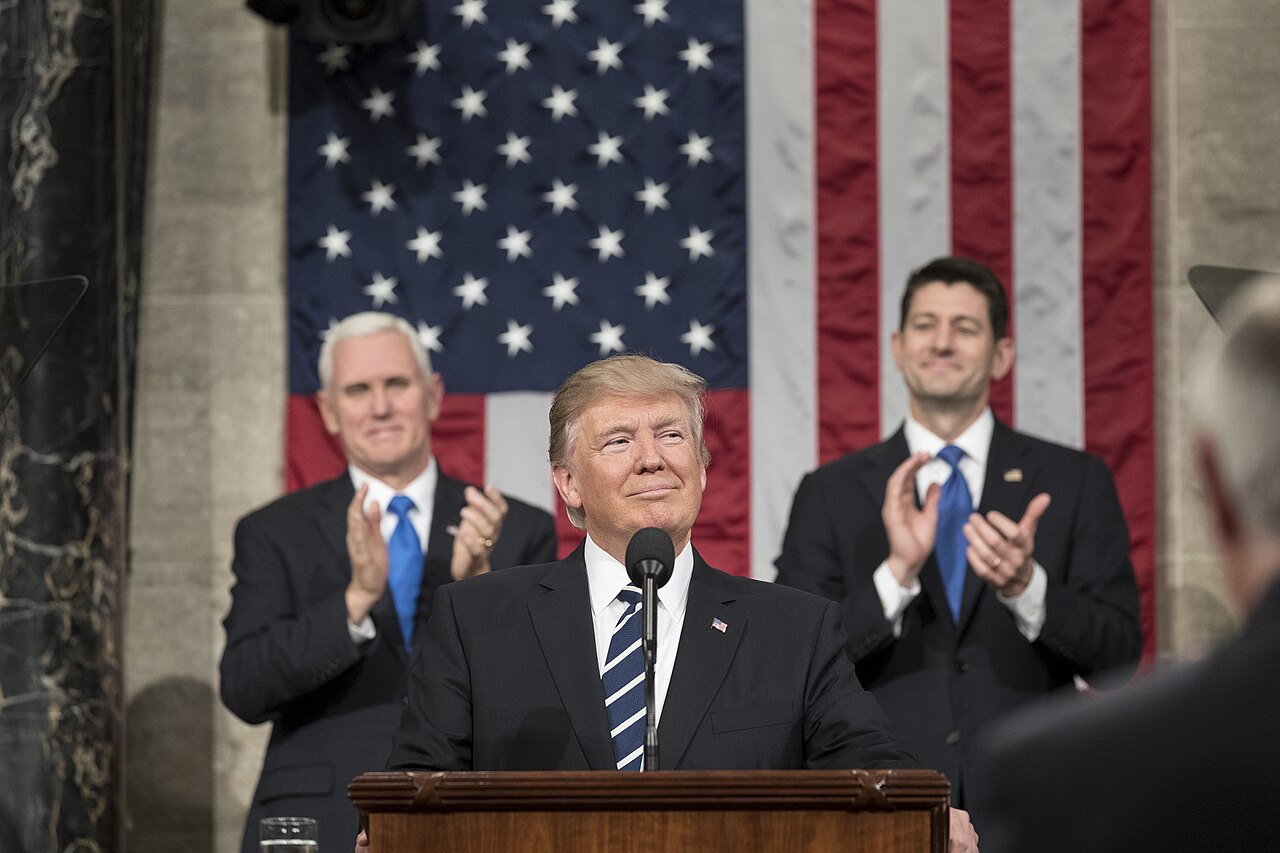
U.S. President Donald Trump indicated on Friday, March 21, 2026, a possible reduction in American military involvement in Iran. This statement follows three weeks of military operations, which the President had initially described as an "excursion." The potential shift comes amidst growing domestic concerns over fuel costs and international scrutiny regarding the conflict's broader impact.
President Trump's public statements have shown a notable evolution. Earlier pronouncements emphasized a goal of "obliterating" Iran's military infrastructure, including its missile capabilities, naval forces, air force, and defense industrial base. However, a subsequent social media post suggested a revised objective, stating the U.S. was "very close to meeting our objectives as we consider winding down our great Military efforts in the Middle East."
Evolving Objectives and Regional Impact
This updated perspective notably omitted previous aims such as dismantling the Islamic Revolutionary Guard Corps or directly engaging with the Iranian populace. The current focus appears to be on preventing Iran from developing nuclear weapons and maintaining a U.S. rapid response capability in the region.
Economic Repercussions and Energy Markets
The conflict has generated significant economic and geopolitical consequences. Average gasoline prices across the United States are nearing $4 per gallon, reflecting considerable market pressure. The International Energy Agency (IEA) has characterized the situation as the "largest supply disruption in the history of the global oil market," underscoring the severity of the energy crisis.
In an effort to stabilize global energy markets, the U.S. Treasury Department has issued special licenses. These licenses permit the delivery of oil from both Russia and Iran, a measure that, while intended to alleviate supply shortages, also effectively channels revenue to nations considered adversaries.
Shifting Security Responsibilities
Furthermore, President Trump has urged allied nations to assume greater responsibility for patrolling the Strait of Hormuz. This call suggests a potential redistribution of regional security burdens and a re-evaluation of the U.S. role in safeguarding critical maritime passages. The long-term implications of such a shift for international shipping and regional stability remain a key area of observation.
Historical Context of U.S.-Iran Tensions
The current situation unfolds against a backdrop of decades of complex and often adversarial relations between the United States and Iran. S. foreign policy in the Middle East. The current military actions and subsequent policy adjustments reflect the persistent challenges in managing this critical geopolitical relationship. The potential for de-escalation or further confrontation remains a central concern for global stability and energy security.
Implications
Country Impact: The United States faces domestic pressure from rising gasoline prices, potentially impacting consumer spending and inflation. The policy shift could redefine its military footprint in the Middle East.
Industry Impact: The global oil market is experiencing its largest supply disruption, leading to increased volatility and higher energy costs. The shipping industry faces potential changes in security arrangements in the Strait of Hormuz.
Market Impact: Energy markets are highly sensitive to developments, with oil prices reflecting supply concerns. Treasury actions to license oil from Russia and Iran could introduce new dynamics into global commodity trading and sanctions regimes.