Cuba Receives Aid Amid Blackout, Sanctions Debate
Cuba received humanitarian aid on March 18, 2026, following a nationwide blackout, as the U.S. oil embargo and EU relations are debated.
Lauren Collins ·
Havana, Cuba, received an initial shipment of humanitarian aid on Wednesday, March 18, 2026, following a widespread power outage that affected an estimated 10 million residents. The delivery, comprising over 20 tonnes of food, medical provisions, and solar energy equipment, was organized by the Nuestra America Convoy to Cuba (NACC). This mission aims to alleviate the impact of a severe energy crisis and protest the ongoing U.S. oil embargo against the island nation.
The aid convoy originated in Milan, Italy, and included delegates from various European left-wing political organizations, labor unions, and advocacy groups. Organizers contend that the U.S. oil blockade, reportedly intensified over the preceding three months, has obstructed foreign fuel deliveries to Cuba. This situation has led to critical fuel shortages, prompting warnings from the United Nations about potential humanitarian consequences.
International Response and Sanctions
Several nations, including China, Chile, Mexico, Canada, and Spain, have either dispatched or committed to providing humanitarian assistance to Cuba. This international support arrives as the European Union's engagement with Cuba faces increased scrutiny. Historically, the EU has advocated for an end to the U.S. embargo, with most European states opposing sanctions in UN General Assembly votes.
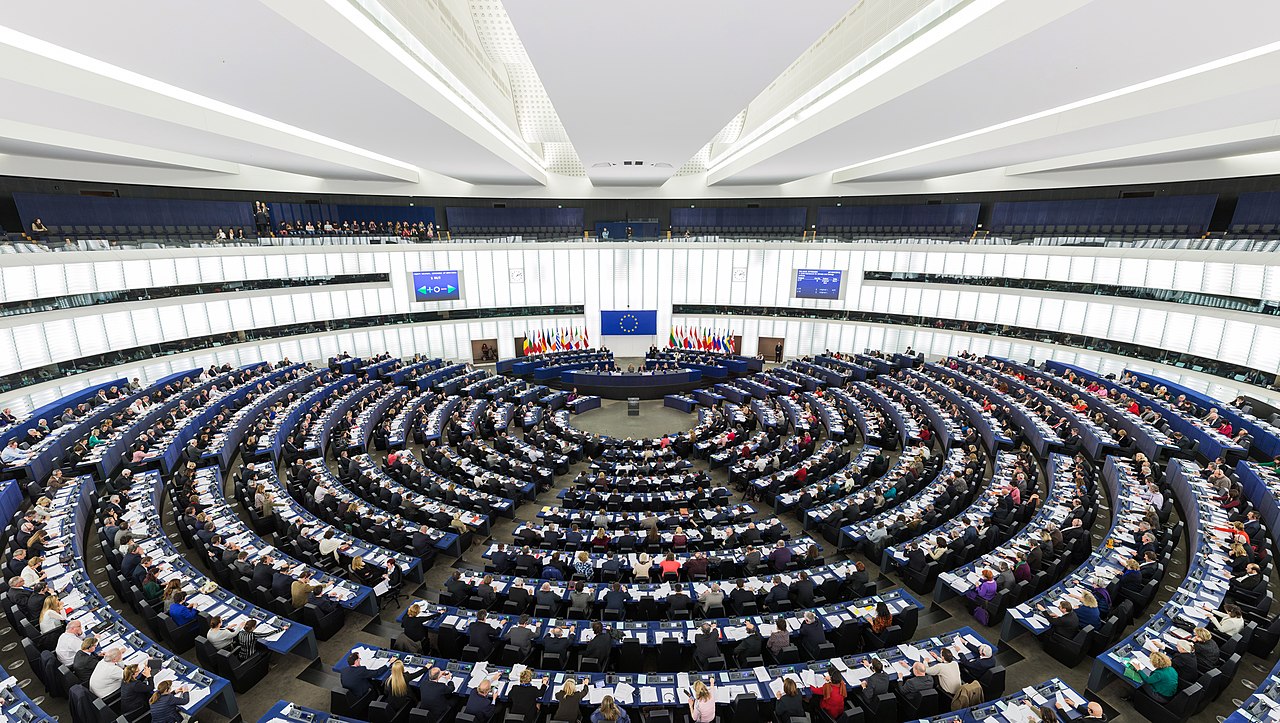
However, the European Parliament recently adopted an amendment to its foreign policy report. This amendment proposes suspending the 2016 EU-Cuba Political Dialogue and Cooperation Agreement (PDCA), citing concerns over Cuba's human rights record. Such a suspension could potentially halt humanitarian funding from the EU.
Historical Context of EU Aid
Between 1993 and 2020, the European Union provided approximately 94 million euros in humanitarian aid to Cuba. An additional 125 million euros were earmarked for the period between 2021 and 2027. The potential suspension of the PDCA agreement introduces uncertainty regarding future EU financial support, despite the ongoing humanitarian needs.
Economic and Political Implications
The current energy crisis in Cuba, exacerbated by fuel shortages, has significant economic and social ramifications for the population. The arrival of international aid provides immediate relief but does not address the underlying structural issues or the long-term impact of sanctions. The U.S. embargo, a decades-long policy, continues to be a central point of contention in international relations concerning Cuba.
The European Parliament's recent action signals a potential shift in the EU's diplomatic approach, moving from engagement to a more critical stance based on human rights concerns. This development could complicate Cuba's efforts to secure international assistance and investment, particularly from European partners, at a time of heightened domestic challenges.
Implications
Country Impact: Cuba faces immediate humanitarian challenges due to widespread blackouts and fuel shortages, necessitating international aid. The long-term economic stability of the nation remains precarious under ongoing sanctions and potential shifts in international diplomatic support.
Industry Impact: The energy sector in Cuba is severely impacted, with a critical need for fuel and infrastructure improvements, including solar technology. The humanitarian aid sector is actively engaged, but its effectiveness is constrained by political and logistical barriers.
Market Impact: The situation could deter foreign investment in Cuba, particularly from European entities, if the EU-Cuba Political Dialogue and Cooperation Agreement is suspended. Global energy markets are indirectly affected by the U.S. oil embargo, influencing Cuba's access to vital resources.