Gulf States Confront Regional Conflict Fallout
Gulf states face economic and security challenges from regional conflict, with drone and missile attacks disrupting energy production and tourism.
Lauren Collins ·
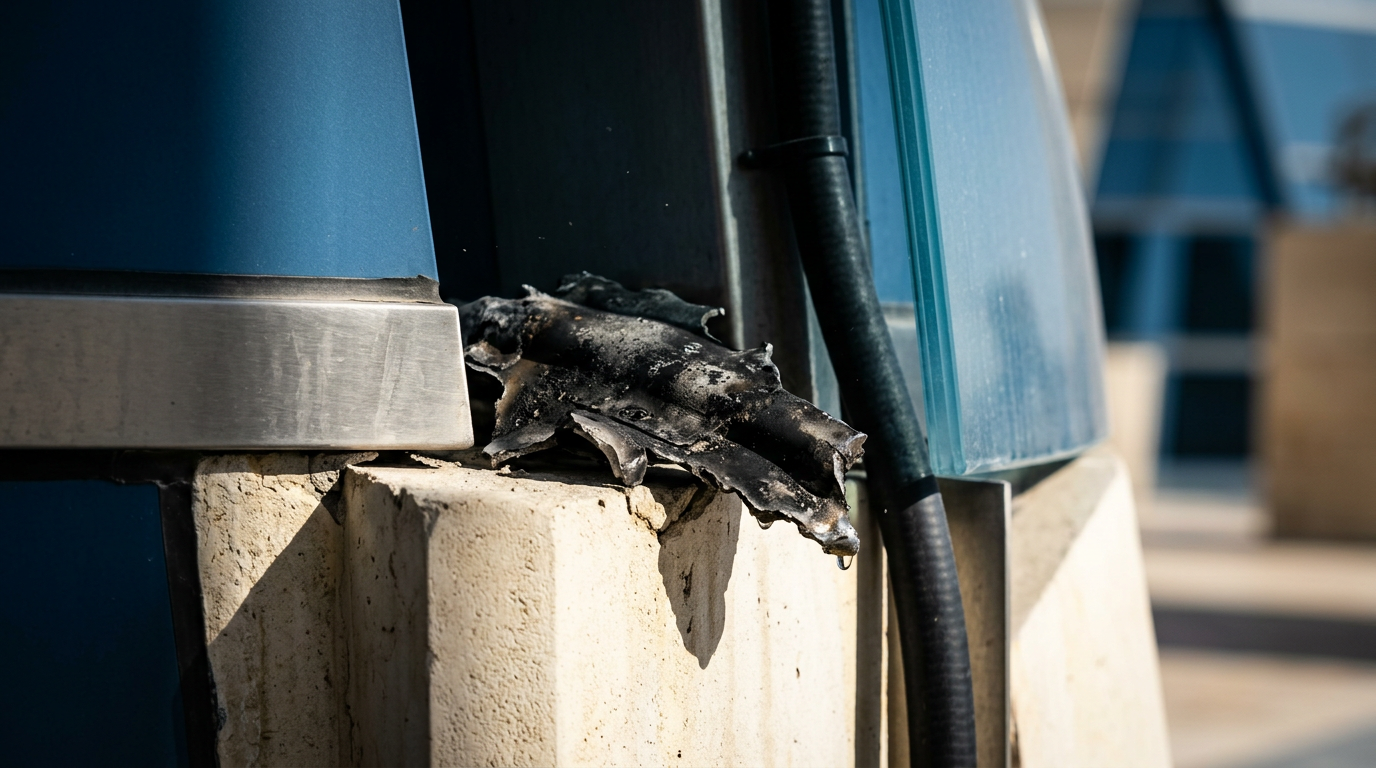
Gulf states, including the United Arab Emirates (UAE) and Qatar, are experiencing significant economic and security challenges stemming from the ongoing regional conflict. Since late February, a series of drone and missile attacks, reportedly linked to Iran, have targeted critical infrastructure across the region, disrupting key industries and raising concerns about stability.
These attacks have impacted the UAE, Qatar, Kuwait, Bahrain, and Saudi Arabia. Notably, Dubai, a major economic hub, has seen its luxury tourism sector affected, with reports of projectiles targeting areas near hotels. This escalation has prompted an exodus of tourists and expatriates, challenging the region's long-standing image of peace and prosperity.
Economic Disruptions and Trade Routes
The conflict has severely impacted vital economic sectors. Qatar's liquefied natural gas (LNG) production has been suspended, affecting global energy supplies. Furthermore, the Strait of Hormuz, a crucial maritime chokepoint for global oil, gas, and fertilizer exports, has become largely impassable due to heightened security risks and fears of further Iranian attacks. This disruption poses a significant threat to international trade and energy markets.
Security Posture and Alliances
Gulf nations, which collectively host approximately 40,000 American military personnel, are incurring substantial costs to intercept incoming missiles and drones. This defensive expenditure is placing financial strain on national budgets and prompting a re-evaluation of existing security alliances and defense strategies. The U.S.-Israeli attack on Iran in late February is cited as a catalyst for the increased regional tensions.
Domestic Measures and Information Control
In response to the escalating situation, authorities in the UAE have implemented stringent measures regarding information dissemination. Approximately 20 individuals, including a 60-year-old British national, have been charged under cybercrime laws for sharing videos related to the conflict. These laws prohibit content deemed to disturb public security, indicating a concerted effort to control the narrative surrounding the regional instability.
Regional Stability Concerns
The sustained targeting of civilian and industrial areas underscores a broader challenge to the region's perceived stability. The economic fallout, coupled with increased security expenditures and a shift in tourism patterns, suggests a prolonged period of uncertainty for Gulf economies. The international community is closely monitoring the situation, given the region's critical role in global energy supply and trade routes.
The long-term implications for foreign investment and expatriate populations remain a key concern as the conflict continues to unfold.
Implications
Country Impact: Gulf states face increased defense spending and economic disruption, particularly in energy production and tourism. Domestic policies are tightening around information control.
Industry Impact: The global energy sector is impacted by suspended LNG production and disrupted shipping through the Strait of Hormuz. Tourism and hospitality industries in the Gulf are experiencing significant downturns.
Market Impact: Global oil and gas prices could see volatility due to supply chain disruptions. Investor confidence in the Gulf region may decline, affecting foreign direct investment and capital flows.