Turkey Advances to World Cup Play-off Final
Turkey defeated Romania 1-0, securing a spot in the World Cup play-off final. The opponent will be determined by the Slovakia-Kosovo match.
Mehmet Şahinoğlu ·
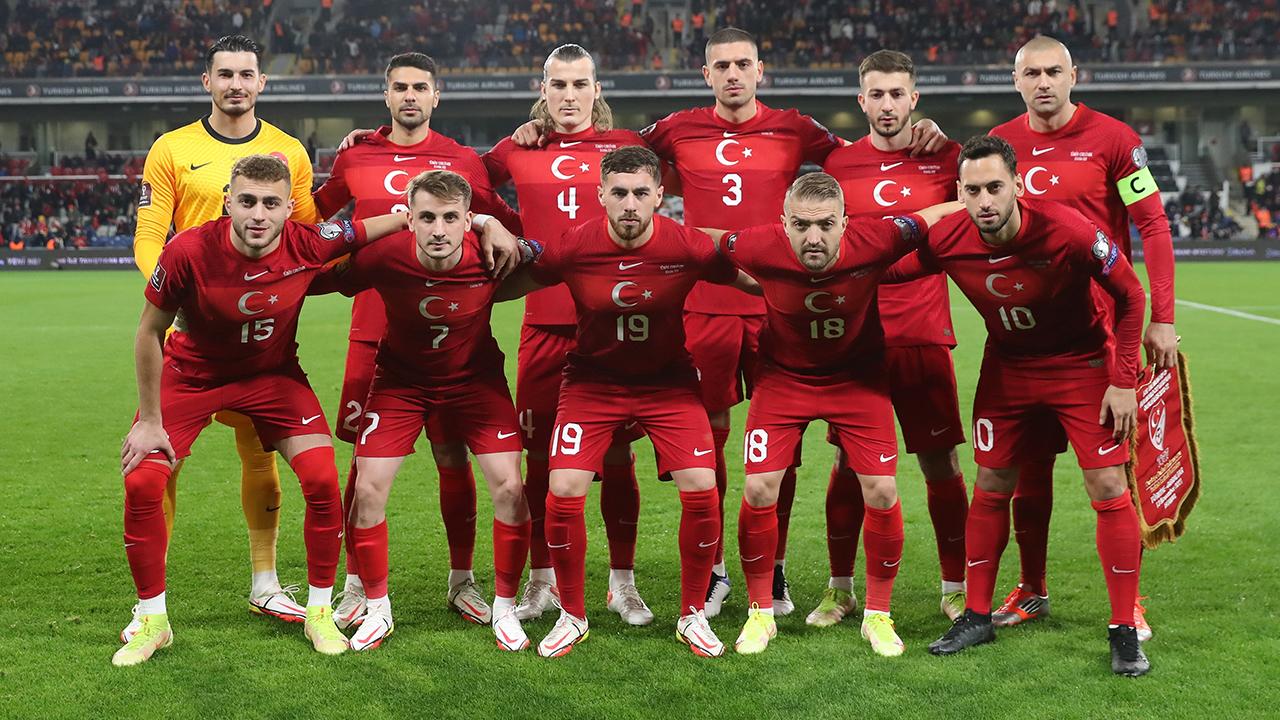
Turkey has advanced to the final round of the 2026 FIFA World Cup European Qualifiers play-offs after a narrow 1-0 victory over Romania. This win brings the national team one match closer to ending a long absence from the World Cup, a tournament they haven't participated in since 2002. Their next opponent will emerge from the other semi-final clash between Slovakia and Kosovo.
The match saw both teams adopt a cautious approach, with Turkey breaking the deadlock in the 56th minute. Defender Ferdi Kadıoğlu scored the decisive goal, and the team successfully defended their lead for the remainder of the game. This goal highlighted the squad's ability to generate offense from various positions, not solely relying on their attacking players.
Beyond the Pitch: Broader Implications
For Turkey, reaching the play-off final represents more than just a sporting achievement; it carries significant institutional and economic weight. Qualification for the World Cup can substantially impact the national football federation's revenues, including sponsorship deals, broadcasting rights, and advertising income. It also boosts the national team's international profile and brand visibility.
Securing a spot in the tournament would also streamline technical preparations, from planning training camps to managing player workloads. This increased predictability in scheduling is crucial for optimal performance. The last time Turkey appeared in the World Cup finals was in 2002, where they achieved a remarkable third-place finish.
This upcoming play-off final will serve as a critical test for both the team's athletic prowess and the management's credibility. The identity of their final opponent, whether Slovakia or Kosovo, will influence tactical approaches and squad selections. The coaching staff will need to prepare for both potential scenarios as they await the outcome of the other semi-final.
Future Outlook and Risks
The result of the final will immediately shape the national team's future trajectory. A victory would grant Turkey direct qualification for the World Cup, fulfilling a long-held ambition. Conversely, a defeat would extend their 24-year absence from the global tournament. This high-stakes match presents a significant risk-reward balance for sports administration, financial planning, and public expectations.
The potential for qualification could intensify performance pressure on the national football federation and the broader sports community in Turkey. Economically, it could influence budget planning through increased sports economy activity and sponsorship revenues. Broadcasters, sponsors, and licensed product ecosystems may update their campaign and inventory plans based on the team's World Cup participation.
For clubs, managing player injuries and match loads could become even more critical. Market-wise, the anticipation of World Cup qualification might create short-term pricing opportunities for companies sensitive to sports retail and media revenues. However, the inherent uncertainty until the final match could also lead to increased volatility in news-driven market reactions.