Traffic through Strait of Hormuz falls after war
Since the US–Israel–Iran war, officials say commercial transits through the Strait of Hormuz have dropped as shippers and states seek alternate corridors.
Mateo Fernandez ·
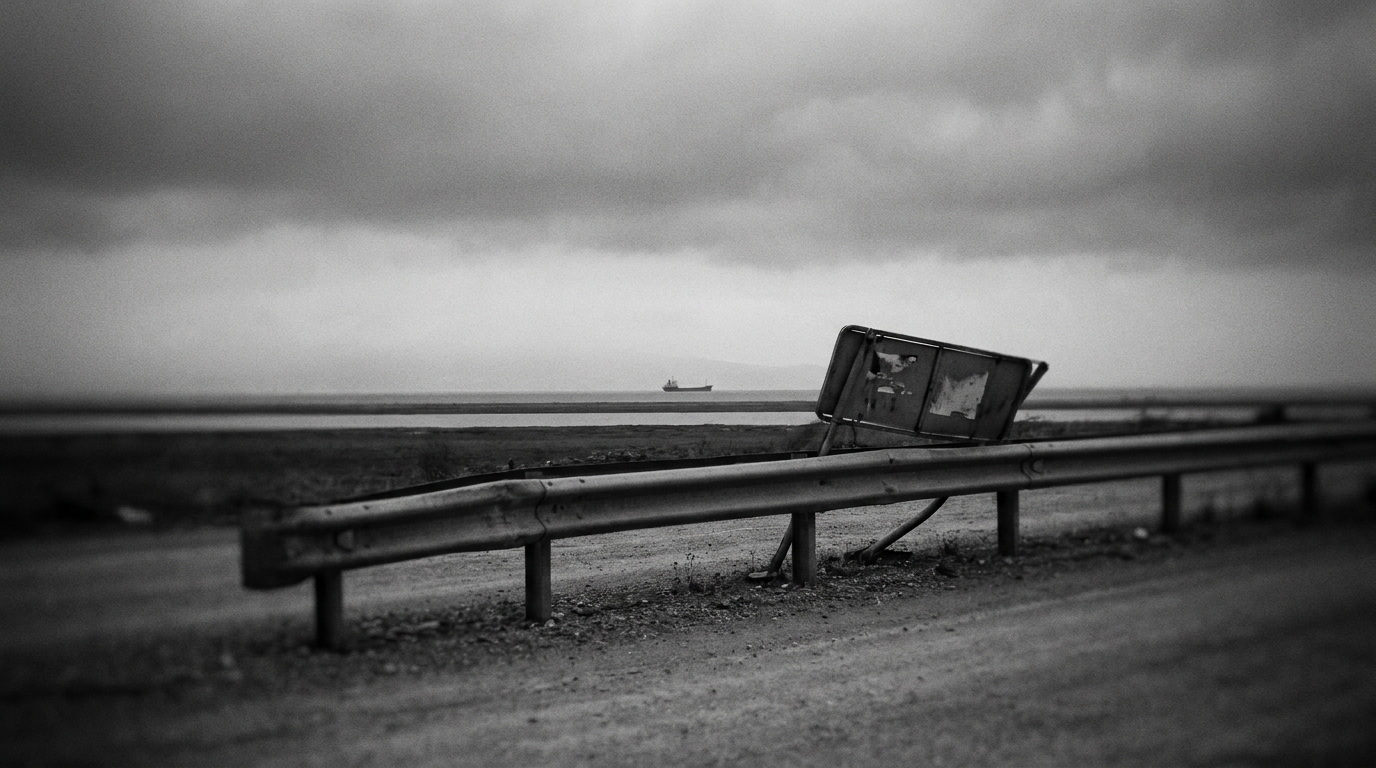
Since the US–Israel–Iran war began, officials said traffic through the Strait of Hormuz has fallen sharply as shippers and regional governments reroute cargo to avoid the narrow chokepoint. Officials said commercial transits have declined and that some operators are using alternative maritime and overland corridors to move goods.
Gulf shipping diversions rise
Officials described a rapid shift toward alternative routes and hubs as the immediate trigger for lower vessel counts in the strait. Regional authorities have encouraged overland and transshipment options, and officials said commercial planners are prioritising predictable, lower-risk corridors even when they add transit time and cost.
Carriers, energy traders and Gulf exporters are the most exposed to longer routes and higher logistics costs, officials said. Reduced traffic through the strait can complicate scheduling for tanker fleets and container services and may prompt insurers and operators to adjust routing and pricing policies.
Officials warned the situation remains fluid and dependent on security moves by regional navies and the parties to the conflict. Watch for naval announcements and shipping advisories over the next 72 hours as the main indicators of whether traffic patterns will stabilise or shift further.