US and Iranian Delegations Arrive in Islamabad for High-Stakes Direct Diplomatic Talks
US-Iran talks in Islamabad this weekend unfold under a two-week ceasefire, with Pakistan enforcing a two-day holiday for security.
Lauren Collins ·
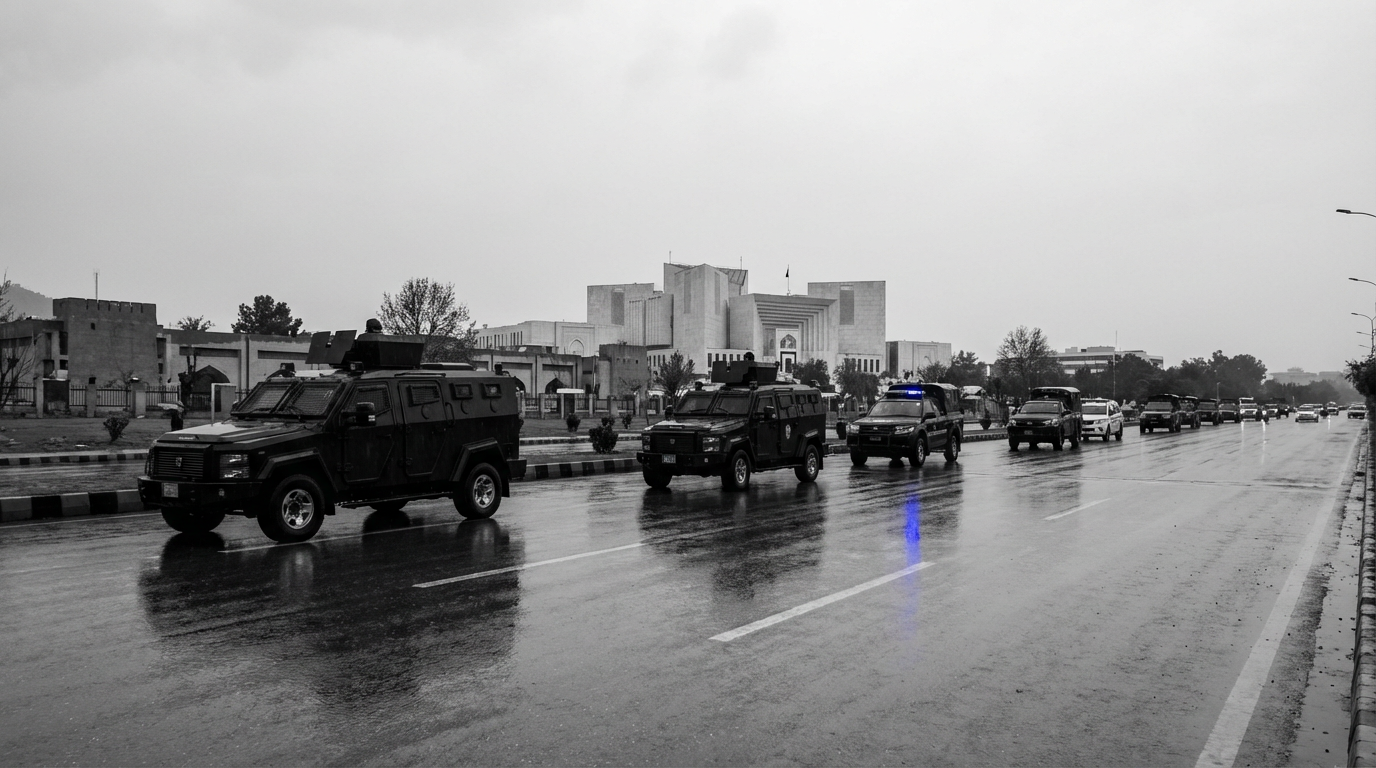
Islamabad is hosting direct talks between the United States and Iran this weekend , with both delegations arriving for discussions that officials and reports describe as high-stakes for regional stability and the global economic backdrop. Pakistan has declared a two-day public holiday in its capital as part of security measures around the meetings.
The talks are described as the first direct engagement between the two countries since the onset of the conflict, and they are taking place under the cover of a delicate two-week ceasefire.
The diplomatic effort is unfolding while Israeli military actions against Hezbollah continue, and while there are disagreements over whether the truce applies to Lebanon. Those unresolved questions are presented as a direct risk to the negotiations, because developments tied to Lebanon could shift conditions on the ground during the talks. The source material also flags the Gulf region as another potential flashpoint that could alter the situation and raise the chance of a breakdown.
The delegations’ makeup highlights differing political circumstances as the two sides enter the room. S. delegation is set to be led by Vice President JD Vance, accompanied by Steve Witkoff and Jared Kushner, a lineup portrayed as signaling high-level political commitment and a centralized approach to deal-making.
Iran has not formally announced its representatives, but reports cited in the source say Parliament Speaker Mohammad Bagher Ghalibaf, described as a hardline figure, is expected to lead Tehran’s team after rising in prominence following significant losses among Iran’s senior leadership during the conflict.
According to the source, this creates an asymmetry in the talks: Washington is presented as negotiating with institutional continuity, while Tehran is portrayed as operating amid leadership upheaval and internal pressures. That imbalance is paired with another obstacle before discussions even begin: there is no shared understanding of the agenda or the order in which issues should be handled.
Both sides are entering with competing “10-point plans,” underscoring what the source describes as a major disconnect. S. stance. The White House, according to the source, has called its own framework more “reasonable” and is advancing a broader proposal centered on nuclear constraints, the handover of uranium, and limits on Iran’s security capabilities.
In that context, the talks are framed less as a meeting of aligned interests and more as a managed attempt to prevent further escalation. With core issues and sequencing still contested, the source suggests the most plausible near-term result could be a temporary extension of the existing ceasefire. Even so, it emphasizes that the risk of negotiations failing remains substantial, particularly if events in Lebanon or the Gulf change the balance during the weekend discussions.