South Sudan Offensive Displaces Thousands in Akobo
South Sudan's SSPDF offensive in Akobo has displaced thousands, raising fears of renewed civil war and undermining the 2018 peace accord.
Lauren Collins ·
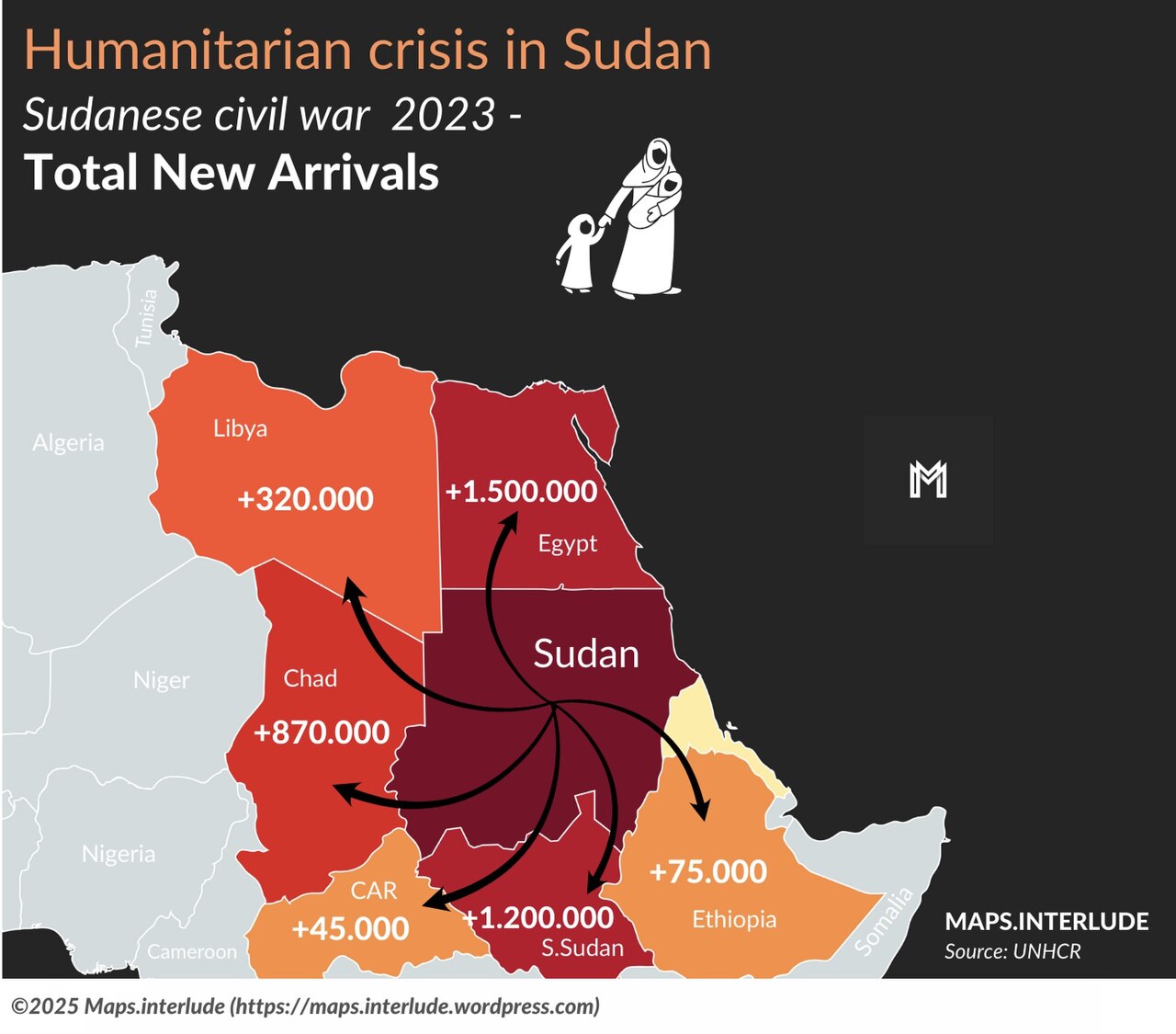
A significant military operation by the South Sudan People’s Defense Forces (SSPDF) has led to the displacement of thousands of civilians from Akobo, an opposition stronghold in eastern South Sudan. The SSPDF issued an evacuation order on Friday, February 28, 2026, instructing residents, aid workers, and UN peacekeepers to depart the area by Sunday, March 2, 2026, in anticipation of an imminent assault.
This development has intensified concerns regarding the stability of the 2018 peace agreement and the potential for a broader conflict.
The town of Akobo, situated near the Ethiopian border, had previously served as a refuge for over 82,000 displaced individuals. It is a critical base for the Sudan People’s Liberation Movement-in-Opposition (SPLM-IO). The current offensive is part of a larger military campaign, "Operation Enduring Peace," which commenced in January 2026. This operation has already resulted in the displacement of more than 280,000 people across Jonglei state since December 2025.
Humanitarian Evacuations and Ongoing Concerns
United Nations flights facilitated the departure of most humanitarian personnel from Akobo on Sunday. However, the International Committee of the Red Cross (ICRC) confirmed that some of its staff remained in the area to operate a surgical unit. The UN Commission on Human Rights in South Sudan has voiced serious apprehension, cautioning that the nation could revert to a full-scale civil war if its leadership fails to address the escalating challenges.
Political Instability and Peace Accord Erosion
This military escalation follows a period of heightened political instability. Former Vice President Riek Machar was detained in March 2025, a move that further strained political relations. A United Nations inquiry previously concluded that South Sudan's leaders are systematically undermining the provisions of the 2018 peace accord, which was intended to end years of civil conflict.
The agreement aimed to establish a transitional government and integrate rival forces, but its implementation has faced numerous setbacks.
Historical Context of Conflict
South Sudan gained independence in 2011 but plunged into civil war in 2013, primarily due to a power struggle between President Salva Kiir and his then-deputy Riek Machar. The conflict, largely fought along ethnic lines, resulted in hundreds of thousands of deaths and displaced millions. The 2018 Revitalized Agreement on the Resolution of the Conflict in South Sudan (R-ARCSS) brought a fragile peace, establishing a unity government.
However, persistent delays in implementing key provisions, such as security sector reform and constitutional amendments, have left the country vulnerable to renewed violence. The current military actions in Akobo underscore the fragility of this peace and the deep-seated divisions that continue to plague the nation.
Regional Implications and International Response
The renewed fighting in South Sudan carries significant regional implications, potentially destabilizing neighboring countries already grappling with their own security and humanitarian challenges. The influx of refugees could strain resources in countries like Ethiopia, Sudan, and Uganda. The international community, including the African Union and the United Nations, has consistently called for adherence to the peace agreement and has provided humanitarian assistance.
However, the latest developments suggest that diplomatic efforts may need to be intensified to prevent a full-blown return to conflict and protect civilian populations.
Implications
Country Impact: The escalating conflict threatens South Sudan's fragile peace agreement, risking a return to widespread civil war and further humanitarian crises. Political instability, marked by events like the detention of former Vice President Machar, continues to undermine national reconciliation efforts.
Industry Impact: Humanitarian aid operations face severe disruptions, with organizations like the UN and ICRC forced to evacuate staff or operate under extreme duress. This impacts the delivery of essential services to vulnerable populations, exacerbating an already dire humanitarian situation.
Market Impact: Increased instability in South Sudan could deter foreign investment and development aid, further hindering economic recovery and growth. Regional markets may experience ripple effects, including potential refugee flows and increased security expenditures in neighboring states.