Zimbabwe to Return 67 Seized Farms to European Nationals
Zimbabwe is returning 67 seized farms to European nationals to restore international relations and facilitate debt restructuring.
Lauren Collins ·
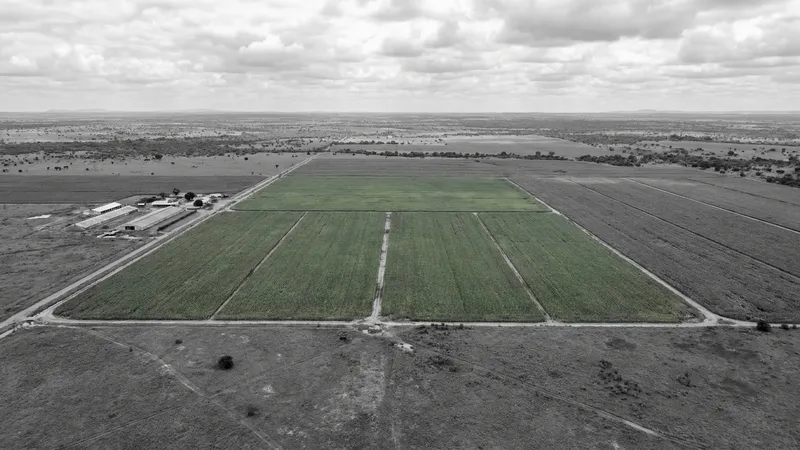
Zimbabwe’s government will return 67 farms seized during the country’s land reform programme to European nationals from Denmark, Germany, the Netherlands and Switzerland, Agriculture Minister Anxious Masuka told parliament on May 7.
The move is linked to President Emmerson Mnangagwa’s push to repair relations with Western governments and international financial institutions after more than two decades of economic crisis, isolation and debt default tied in part to the fast-track land reform of the early 2000s.
Officials said the farms fall under bilateral investment protection agreements signed between Zimbabwe and the four European states before the seizures. Returning them is part of a broader effort to address outstanding disputes over property rights and compensation.
The announcement comes as Zimbabwe seeks to restructure about $11.7 billion in external debt, including $7.7 billion owed to multilateral and bilateral creditors. The International Monetary Fund approved a staff-monitored programme on May 20 to support reforms and the debt-restructuring effort.
Debt talks and re-engagement efforts
Resolving land-related disputes has become a central element of Harare’s re-engagement strategy with creditors and foreign governments. Officials have framed the process as necessary to rebuild confidence and advance restructuring discussions.
Zimbabwe’s land reform programme, launched at scale in the early 2000s, involved the seizure of many commercial farms. The issue has remained a major point of contention in Zimbabwe’s relations with some foreign governments and international lenders.
Compensation agreements and treaty-protected claims
In July 2020, Zimbabwe signed a $3.5 billion compensation agreement with former white commercial farmers covering infrastructure and improvements on acquired land. The agreement did not cover payment for the land itself.
Last year, Zimbabwe began compensating treaty-protected foreign farmers, including claimants from Germany, Switzerland and Belgium, for expropriated properties. The 67 farms cited by Masuka are among cases linked to investment protection agreements.
Further steps on compensation and property disputes are likely to remain closely watched by creditors and international institutions as Zimbabwe pursues reforms and attempts to move its debt restructuring forward.