South Korea’s Top Football League Eyes Major Shift to Autumn-Spring Calendar
South Korea's professional football league is considering switching to an autumn-to-spring calendar, driven by climate concerns and alignment with European…
Mehmet Şahinoğlu ·
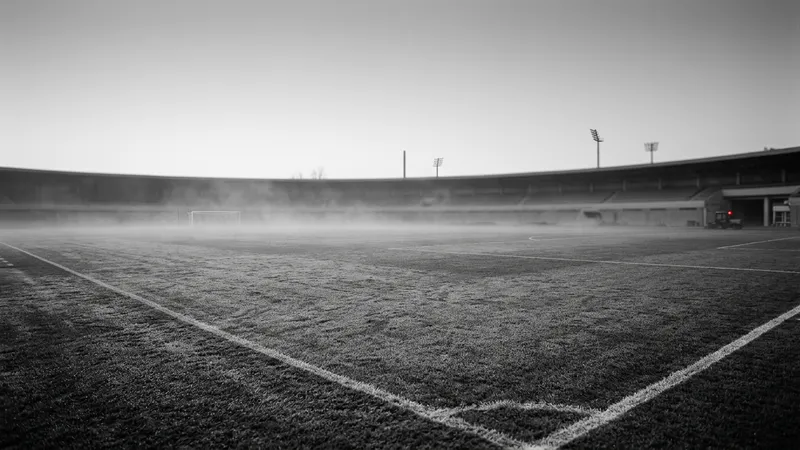
South Korea's professional football league is actively examining a significant alteration to its operational calendar, potentially moving from its established March-to-November schedule to an autumn-to-spring format. This evaluation is primarily motivated by increasing regional temperatures, which have begun to negatively affect player safety and fan well-being during the summer months.
Climate Challenges Drive League Reform
A substantial majority, over 70 percent, of the league's coaches have expressed support for this realignment. Their backing stems from the necessity to address climate-related risks and to achieve better synchronization with the European football transfer windows. Advocates for the change contend that aligning with international markets would bolster the league's global competitiveness and streamline player movements across different leagues.
The proposed shift, however, presents specific operational hurdles. Managing play during South Korea's sub-zero winter conditions is a key concern that officials must address. Despite these challenges, league representatives are closely observing the financial outcomes of nearby leagues that have recently implemented similar calendar adjustments. This monitoring aims to gauge potential effects on broadcast revenues and attendance figures for matches.
Global Climate Adaptation in Sports
This initiative by the South Korean league mirrors a wider trend observed among prominent sporting organizations globally. Many are confronting climate-induced disruptions to their traditional scheduling. Similar deliberations are taking place across various high-profile sports leagues worldwide, as escalating extreme weather patterns necessitate a re-evaluation of long-standing event calendars.
The potential change underscores a strategic effort to adapt to evolving environmental conditions while simultaneously seeking opportunities to enhance international integration and economic viability within the global football ecosystem.