Man City Faces Premier League Sanctions Over 114 Breaches
Manchester City faces potential Premier League sanctions, including fines, points deductions, or relegation, after an independent panel found 114 breaches of…
Mehmet Şahinoğlu ·
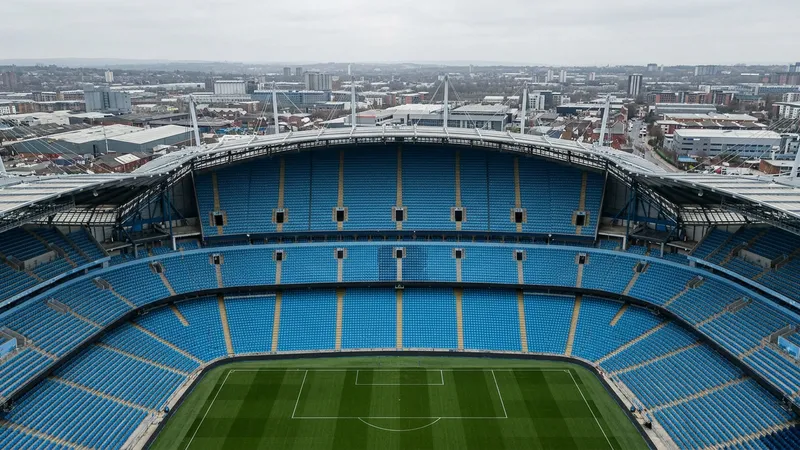
Manchester City Football Club faces potential Premier League sanctions after an independent panel found it guilty of 114 financial rule breaches. Penalties could range from significant fines and points deductions to relegation from England's top football division, though the club's anticipated appeals suggest a protracted process.
Independent Panel Finds Extensive Breaches
An independent panel concluded Manchester City committed 114 violations of financial regulations, as reported by media on Friday and confirmed by a soccer source on Monday. These breaches span several years, covering various aspects of financial reporting and transparency required by the Premier League. The club was found guilty on all but one of the charges.
Lengthy Enforcement Process Expected Manchester City is widely expected to appeal the Despite the panel's findings, sanction enforcement is not imminent. Manchester City is widely expected to appeal the decision, initiating a lengthy legal process. A soccer source, speaking anonymously due to ongoing proceedings, indicated the case's resolution will likely “drag on” for an extended period. Financial Fair Play Rules Under Scrutiny The Premier League's financial fair play (FFP) rules ensure clubs operate sustainably, preventing excessive spending that could destabilize finances or create unfair competitive advantages. These regulations cover profitability and sustainability, requiring clubs to submit accurate financial information, including revenue, operating costs, and sponsorship deals. Manchester City's alleged breaches highlight the league's commitment to enforcing these standards, which have been contentious for several clubs. Club and League Standing Impacted Manchester City faces immediate uncertainty regarding its Premier League future. A points deduction could affect current and past league standings, potentially altering historical records and prize money distributions. Relegation, a severe penalty, would bring profound financial and sporting consequences, including significant drops in revenue and player value. For the Premier League, the case reinforces its regulatory authority and could set a precedent for addressing financial misconduct across the league. Wider Industry Implications
Beyond Manchester City, this case's outcome could influence financial governance across European football. Other clubs, particularly those with significant external investment, may face increased scrutiny of their financial practices. The ruling could prompt a re-evaluation of FFP rules, potentially leading to stricter enforcement or revised regulations to prevent similar breaches. This might foster a more level financial playing field, but also challenge clubs seeking heavy investment in player talent and infrastructure. Global Macro and Future Scenarios From a global macroeconomic perspective, major football clubs' financial health, especially those with international ownership, can reflect broader trends in global investment and sports economics. A significant penalty for Manchester City could deter future large-scale investments in European football clubs, particularly from regions like the Middle East, if regulatory risks are perceived as too high. Conversely, a lenient outcome might signal a more permissive regulatory environment, potentially encouraging further foreign investment.
One plausible path involves a prolonged legal
battle, with Manchester City exhausting all appeal avenues.
If the club successfully overturns or significantly reduces penalties, it would maintain competitive standing and financial stability, with minimal macro impact beyond a temporary dip in investor confidence in sports regulation. If, however, sanctions are upheld or strengthened, leading to a substantial points deduction or relegation, the club's revenue streams would contract sharply, affecting its market valuation and potentially influencing broader investment sentiment in sports. This could lead to a more cautious approach from investors in the wider sports industry, particularly those considering ventures in leagues with robust financial regulations.