Kyiv Sustains Drone Attack Amid US Diplomatic Preparations
Kyiv experienced a drone assault on September 3, 2026, injuring 10, as Ukraine prepared for a US diplomatic mission focused on peace.
Atlas Newsdesk ·
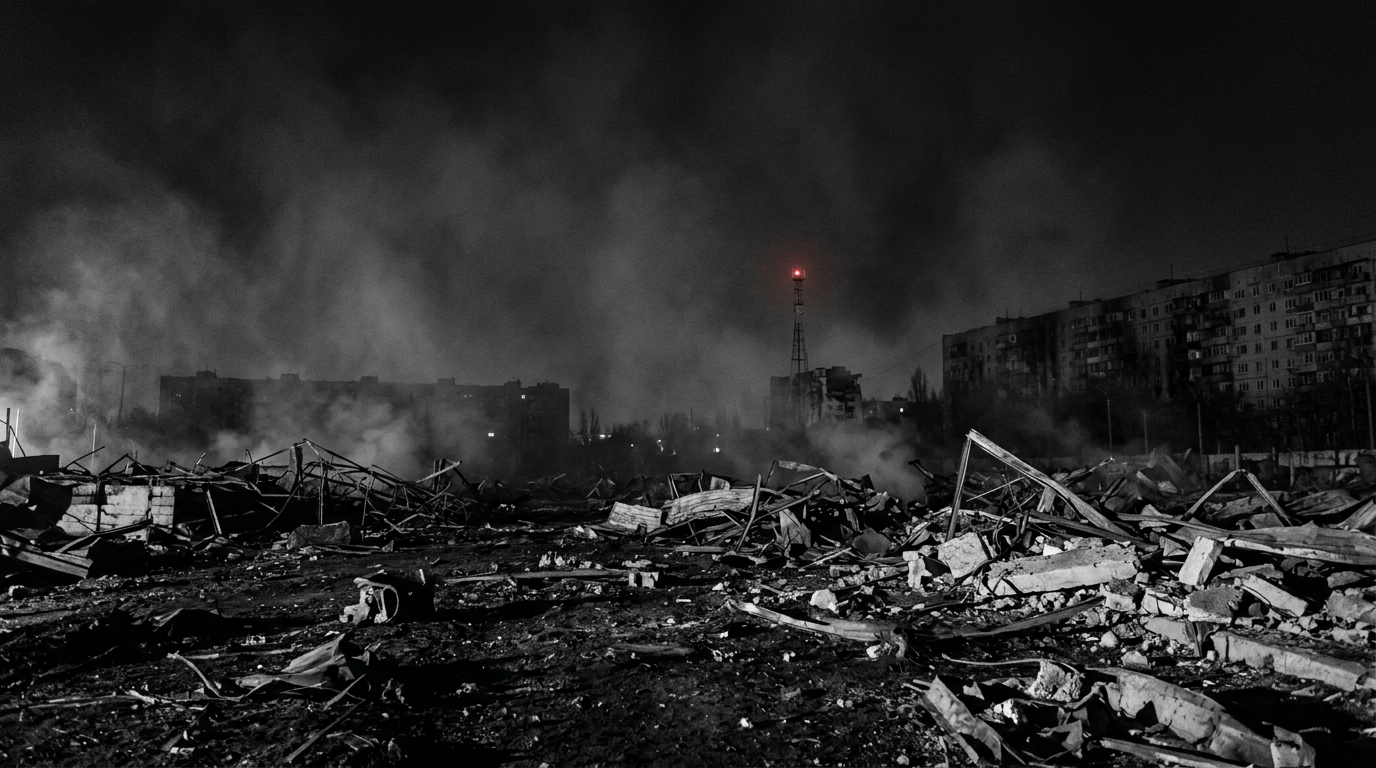
Kyiv, the capital of Ukraine, experienced a significant drone attack by Russian forces on September 3, 2026, resulting in at least 10 injuries. This aerial bombardment occurred as Ukrainian authorities made preparations to host high-level diplomatic representatives from the United States. The strike caused damage to a residential high-rise building, with six medical personnel among the wounded. This incident marks another event in the ongoing series of aerial assaults targeting the capital city.
The heightened military activity precedes an anticipated announcement from President Volodymyr Zelenskyy, who previously indicated an expectation for US special envoys Steve Witkoff and Jared Kushner to visit soon. Their visit is reportedly aimed at revitalizing stalled peace efforts in the region.
Diplomatic Engagements Amid Conflict Escalation
The planned US diplomatic mission follows earlier visits by these envoys to Moscow. While preliminary dates for their arrival in Kyiv have been established, the exact timeline for these discussions may shift due to continued hostilities. Beyond Kyiv, the conflict's impact is widespread. Naftogaz, Ukraine’s national energy company, has reported extensive damage to its production infrastructure, indicating broader operational consequences across the country. Concurrently, civilian casualties have been confirmed in other areas affected by the ongoing conflict.
In Russian-controlled Donetsk and Russia's Belgorod border region, local officials confirmed fatalities resulting from separate drone strikes that targeted passenger buses. These recent occurrences highlight the escalating intensity of the four-and-a-half-year-old conflict, which began in February 2022. Both sides appear to be striving for tactical advantages on the ground in advance of any potential diplomatic negotiations.
Challenges to Peace and Future Outlook
The persistent attacks underscore significant hurdles for international mediation efforts to achieve de-escalation while military actions continue unabated. The upcoming visit by US envoys signals sustained international focus on resolving the protracted conflict. Their engagement follows a period of limited progress in peace talks, making their forthcoming discussions in Kyiv particularly crucial for future diplomatic pathways. The evolving situation demands close observation of both military operations and diplomatic initiatives in the region.
The conflict between Ukraine and Russia, which intensified in early 2022, has been characterized by extensive use of drone technology by both sides. These unmanned aerial vehicles (UAVs) are deployed for reconnaissance, targeting, and direct strikes, frequently impacting civilian infrastructure, as demonstrated by the recent Kyiv incident. International attempts to mediate a resolution have encountered substantial obstacles, primarily due to entrenched positions from both parties regarding territorial claims and future security arrangements. Prior diplomatic endeavors, including those involving various European leaders and the United Nations, have yielded limited breakthroughs, contributing to the prolonged and destructive nature of the conflict.
The prospect of US special envoys visiting Kyiv introduces a new dimension to these diplomatic efforts. Their previous engagement in Moscow suggests a consistent effort to maintain communication channels, even amidst intensified hostilities. However, the success of such missions largely depends on the willingness of both parties to make concessions and adhere to any agreed-upon frameworks. Further escalation, particularly targeting critical infrastructure, continues to pose risks to the civilian population and could further destabilize regional security. The international community is closely monitoring these developments, with humanitarian aid and economic sanctions remaining key instruments in influencing the conflict's trajectory.