European Nations Escalate Diplomatic Pressure on Russia
Following a drone incident at Leipzig/Halle Airport, European nations are escalating diplomatic actions against Russia, including potential new sanctions.
Lauren Collins ·
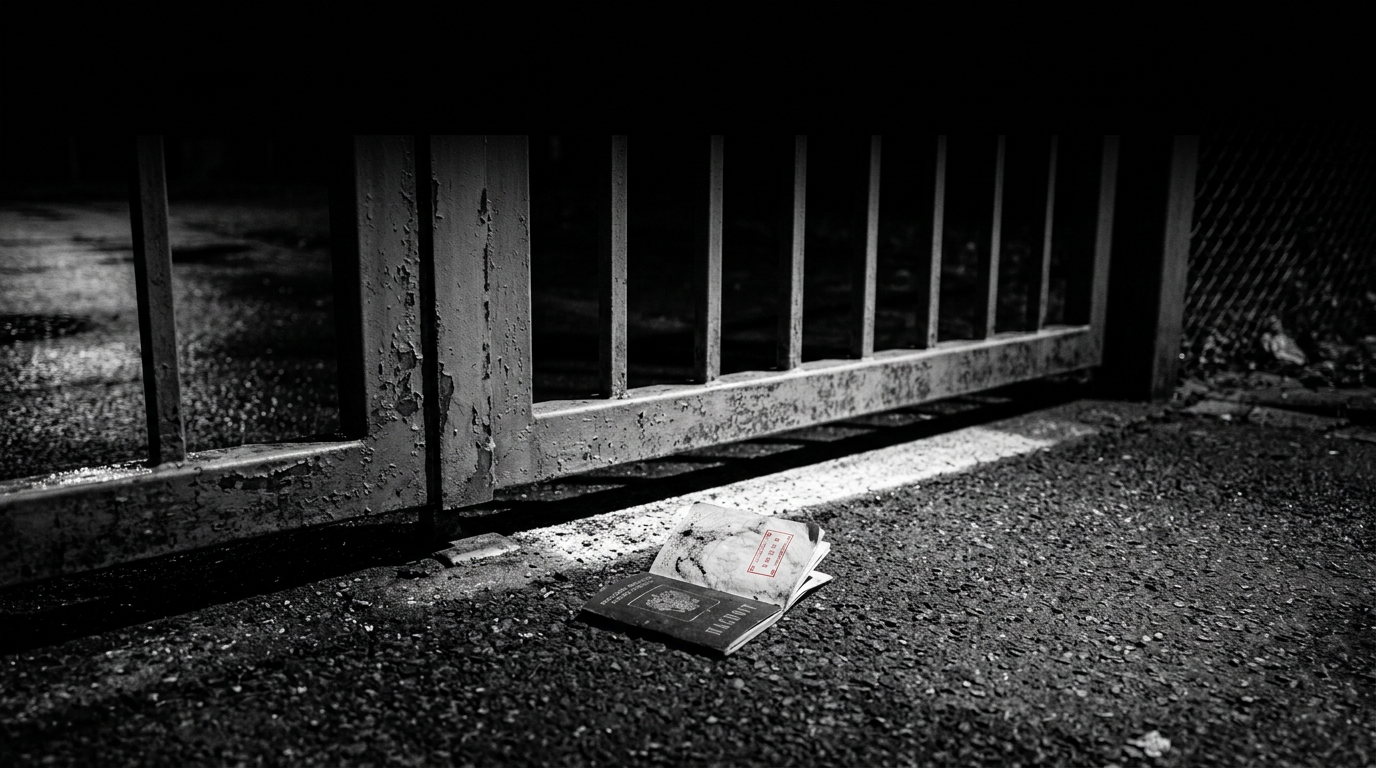
European nations have initiated a series of coordinated diplomatic responses targeting Russia, following an attempted drone attack at Germany's Leipzig/Halle Airport on August 4. German officials formally attributed the operation to Russian state-linked actors, citing the discovery of an explosive-laden drone near a crucial logistics hub that supports military aid shipments to Ukraine. This incident has prompted a significant hardening of diplomatic stances across the continent.
In response to the incident, Germany moved to close a Russian diplomatic mission located in Bonn. Additionally, Berlin implemented more stringent travel regulations for Russian nationals, signaling a direct and immediate reaction to the perceived security threat. These measures highlight a growing concern within European capitals regarding alleged Russian interference and hybrid warfare tactics on their soil.
Coordinated European Actions Intensify
The European Union is actively considering proposals to broaden sanctions against Russia, specifically targeting its maritime 'shadow fleet'. This fleet, reportedly used to circumvent existing oil sanctions, plays a critical role in Russia's energy exports. Such a move could have notable implications for global shipping and energy markets, potentially disrupting supply chains and altering trade dynamics.
Several EU member states have also summoned Russian ambassadors to formally protest the drone incident and other alleged hostile actions. Leaders within NATO and the EU have characterized the Leipzig/Halle attack as part of an escalating pattern of hybrid warfare. They have collectively reaffirmed their commitments to mutual defense and a unified approach to increasing pressure on Moscow.
Dispute Over Frozen Assets and Moscow's Reaction
Parallel to these diplomatic maneuvers, a debate is intensifying over the repurposing of frozen Russian assets. Member states, including Poland, Spain, and Sweden, are advocating for the utilization of over $224 billion in these assets to support Ukraine's defense efforts. This proposal introduces complex financial and legal challenges, requiring careful consideration of international law and precedent.
Russia has denied any involvement in the Leipzig/Halle drone incident, dismissing the allegations as fabrications. Following Berlin's announcement of diplomatic actions, Moscow declared reciprocal measures. These include the closure of German cultural centers within Russian territory, indicating a further deterioration in bilateral diplomatic relations between the two countries. This cycle of accusation and retaliation underscores the deepening geopolitical rift.
Deepening Diplomatic Rift and Future Outlook
The coordinated European response, coupled with Russia's counter-measures, points to a significantly deepening diplomatic rift between the two sides. Continued pressure to expand sanctions, particularly concerning the maritime 'shadow fleet', carries the potential to impact global economic sectors beyond just energy, affecting international trade and investment flows. The ongoing discussion surrounding the use of frozen Russian assets adds another layer of complexity to the already strained relations.
Analysts suggest that if diplomatic channels remain fractured and tensions continue to escalate, global macro-financial stability could face additional strains. The situation necessitates close monitoring as it has the potential to influence a wide array of international economic and security dynamics.