Syrian Ex-Official Charged with UK War Crimes
A 58-year-old former Syrian intelligence officer faces charges of murder and torture in the UK, marking the first such prosecution.
Cuneyd Erdogan ·
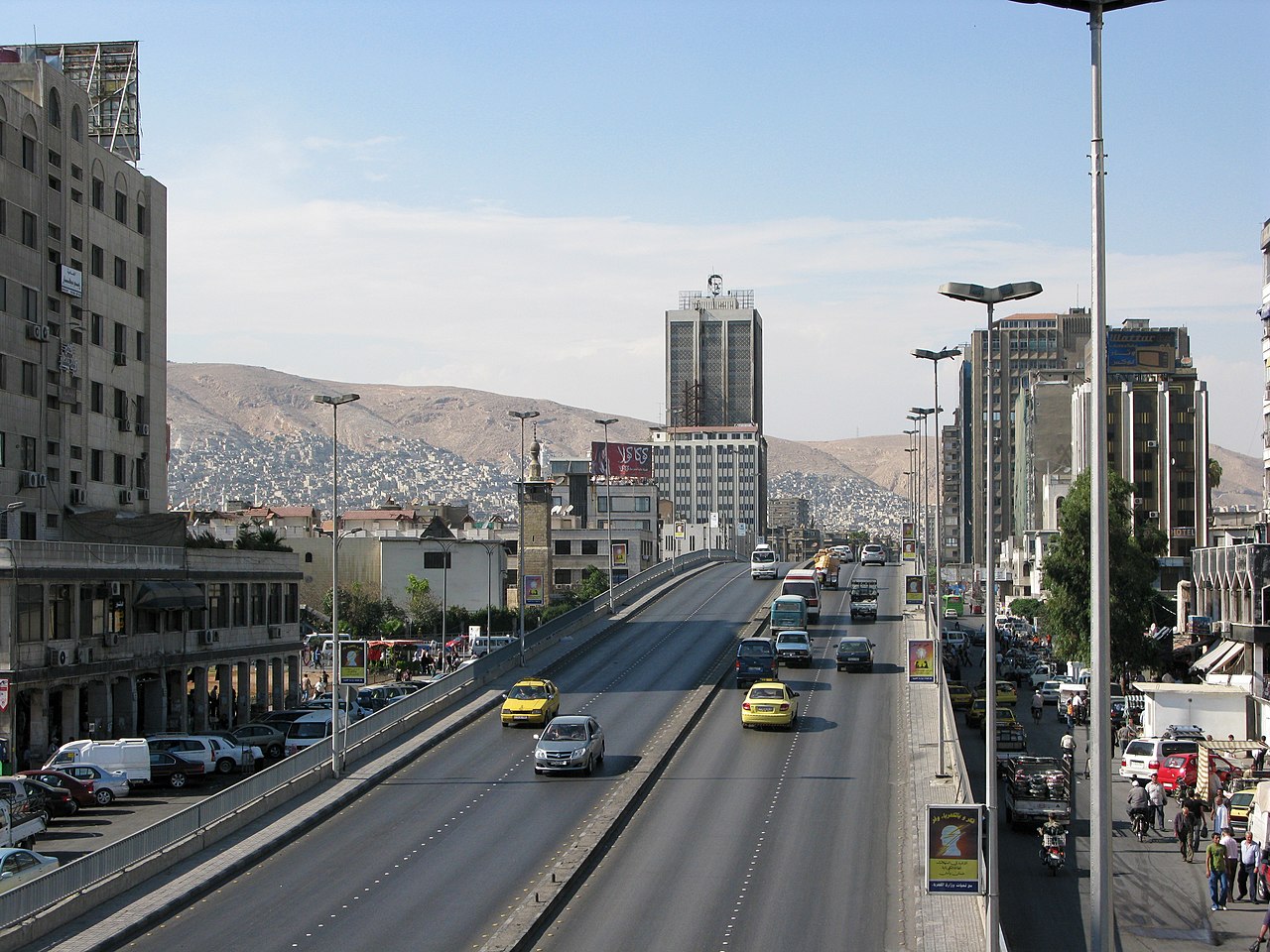
A former Syrian intelligence officer, aged 58, has been charged in England and Wales with crimes against humanity, including murder and torture. This marks the first prosecution of its kind within the jurisdiction, focusing on alleged atrocities committed during the initial phase of the Syrian uprising in 2011.
The individual, whose identity remains protected for legal reasons, is accused of a significant role in the violent suppression of anti-government protests. These charges stem from events that occurred at the outset of the conflict against the regime of then-President Bashar al-Assad.
Legal Precedent in UK
This case establishes a new legal precedent in England and Wales, being the first instance where an individual is prosecuted for crimes against humanity related to the Syrian conflict. The charges underscore the UK's commitment to international justice principles, even when alleged crimes occur outside its borders.
The investigation leading to these charges was conducted by the Metropolitan Police's War Crimes Team. This specialized unit is responsible for examining allegations of war crimes, genocide, and crimes against humanity, regardless of where they are committed.
Context of Syrian Conflict
The Syrian uprising began in March 2011, initially as a series of peaceful protests against the government. These demonstrations were met with a severe and often violent response from state security forces, escalating into a protracted civil war.
Human rights organizations have extensively documented widespread abuses, including arbitrary detention, torture, and extrajudicial killings, committed by various parties throughout the conflict. The United Nations has repeatedly called for accountability for these violations.
International Justice Efforts
Several European countries have initiated prosecutions against former Syrian officials or individuals implicated in war crimes, utilizing universal jurisdiction principles. Germany, for example, has successfully convicted former Syrian intelligence officers for torture.
These international efforts aim to provide a measure of justice for victims and to deter future atrocities, given the complexities of prosecuting such cases within Syria itself. The UK's current charges align with this broader international push for accountability.
Implications for Asylum Seekers
The prosecution also highlights the scrutiny faced by individuals seeking asylum or residency in Western nations who may have been involved in human rights abuses in their home countries. Immigration and security agencies often collaborate to identify such individuals.
This case could serve as a deterrent for those who believe they can evade justice by relocating to countries with strong legal frameworks for international crimes. It reinforces the principle that there is no safe haven for perpetrators of severe human rights violations.
Outlook on the Proceedings
The legal proceedings are expected to be complex, involving extensive evidence gathering and witness testimonies, potentially from individuals who fled Syria. The outcome will be closely watched by human rights advocates and international legal observers.
This prosecution represents a significant step in holding individuals accountable for their alleged roles in the Syrian conflict, demonstrating the long reach of international law and the determination to address grave crimes against humanity.
Implications
Country Impact: The UK's prosecution sets a precedent for addressing international crimes within its jurisdiction, potentially influencing future asylum and immigration policies for individuals implicated in human rights abuses. It reinforces the nation's commitment to universal jurisdiction principles.
Industry Impact: This case has implications for international legal and human rights organizations, strengthening their efforts to pursue accountability for atrocities committed in conflict zones. It may also influence how intelligence agencies and law enforcement collaborate on war crimes investigations.
Market Impact: While direct market impact is limited, the case contributes to the broader geopolitical landscape, signaling a continued focus on human rights and international law. This could indirectly affect investor confidence in regions prone to conflict, emphasizing governance and stability.