

Sugar intake linked to deeper antibiotic gut disruption
A Nature study in hospitalized cancer patients linked higher sugar intake around antibiotic treatment to lower gut microbial diversity and more Enterococcus…
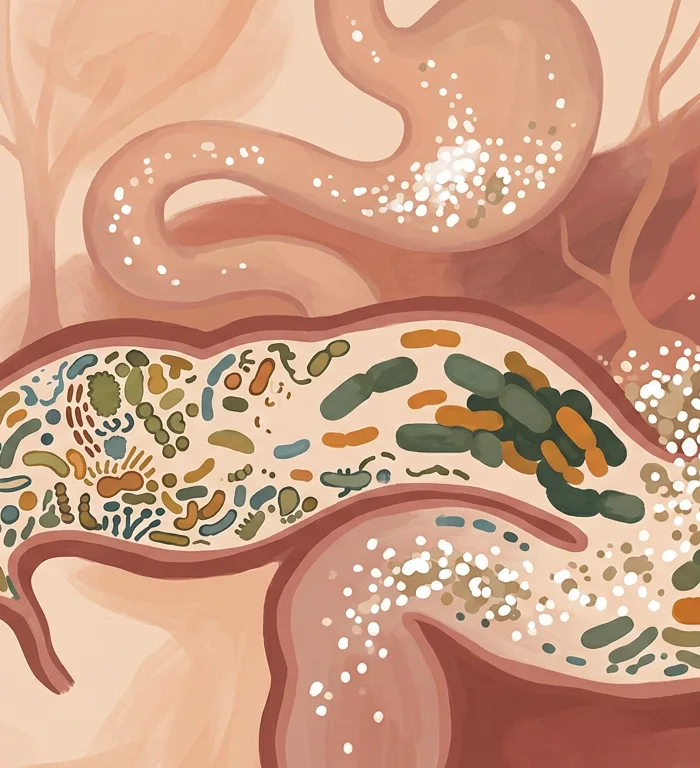
Higher sugar intake was linked to deeper antibiotic-related gut microbiome disruption in 173 hospitalized cancer patients, according to a Nature study described by NYU Langone Health on Oct. 7.
Evidence grade: Early (small, animal, cell or preprint). The main human finding was observational: every additional 100 grams of sugar eaten in the 48 hours before antibiotic treatment was associated with an additional 21% decline in alpha diversity, a measure of the variety of gut bacteria.
Researchers from NYU Langone Health, City of Hope and Memorial Sloan Kettering Cancer Center monitored 9,419 meals and collected daily microbiome samples from hospitalized patients with blood cancers. The study also reported increases in Enterococcus faecium, a bacterial species the researchers said has been linked to infections that can be difficult to treat.
"As we are learning how collateral damage of antibiotics to the microbiome are linked with long-term health problems, it's important to identify factors that limit these unintended health risks," said Jonas Schluter, co-senior author and assistant professor in the Department of Microbiology at NYU Langone. "Our study, which used more than 9,000 recorded meals, suggests that modifying diet during and after antibiotics, specifically by reducing sweets intake, could help with that."
The gut microbiome is the community of bacteria living in the intestine. Antibiotics can reduce beneficial bacteria as well as harmful bacteria, and a less diverse microbial community may be less able to resist expansion by pathogens, according to the researchers.
The study focused on blood cancer patients because they often receive antibiotics during long hospital stays, including around chemotherapy and stem cell transplantation, and because their meals and microbiome changes can be tracked closely. That means the findings apply most directly to hospitalized blood cancer patients receiving intensive treatment, not necessarily to otherwise healthy adults taking a short antibiotic course at home.
Mouse experiments reported a similar pattern. Animals exposed to the antibiotic biapenem while consuming dietary sucrose had a 16.3-fold increase in gut Enterococcus by day 3 and a 33.4-fold higher burden by day 6, according to the study summary.
The study cannot show that sugar was independently responsible for worse microbiome injury in the patients. It also cannot establish whether sugar directly supported Enterococcus, weakened competing bacteria or acted through another pathway. William Jogia, the study's second author and a PhD student in Schluter's lab, said more work is needed to identify the mechanism in patients.
The work was funded by National Institutes of Health grants and several foundations and research programs. NYU Langone said Schluter has filed microbiome-related intellectual property applications, serves on an advisory board, holds equity in Jona Health and is cofounder of Postbiotics Plus Research, with those relationships managed under NYU Langone policies.
Researchers said clinical trials are needed to test whether short-term dietary changes during and after antibiotic treatment are linked to less microbiome injury or better clinical outcomes in patients.
Source: peer-reviewed Nature study via ScienceDaily Health and NYU Langone Health / NYU Grossman School of Medicine, Oct. 7.
Atlas360 reports health research and does not provide medical advice.
More stories
- Wall squats may lower blood pressure after four weeks
- 8-hour eating windows beat controls by 5 pounds in TRE trials
- Researchers link diabetic ulcers to stalled immune repair
- Loneliness and isolation linked to 5.8 fewer healthy years
- Weiss warns of breast cancer care gap after treatment
- Bangladesh measles outbreak claims 1,147 lives, WHO says
- NHS trusts reject Palantir data platform despite £330m deal
- Very hot coffee and tea show threefold esophageal SCC association