

Bangladesh measles outbreak claims 1,147 lives, WHO says
Bangladesh has recorded 1,147 measles deaths, mostly among children younger than five, the World Health Organization reported.
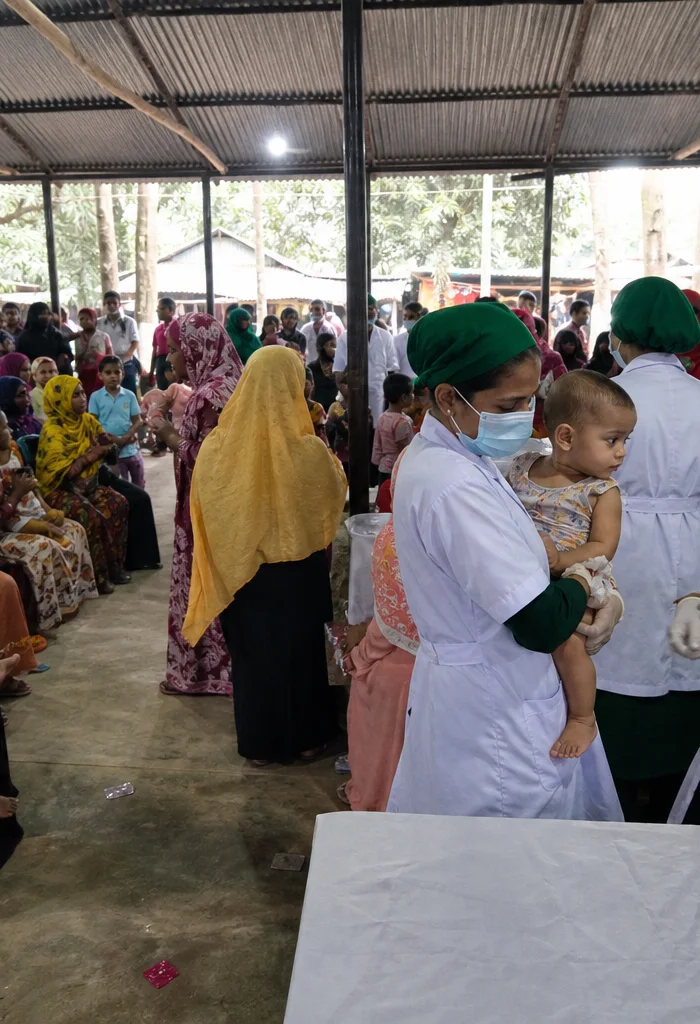
Bangladesh has recorded 1,147 measles deaths, mostly among children younger than five, the World Health Organization reported.
Children in that age group account for 94% of reported fatalities, according to the WHO. The concentration of deaths among young children makes their protection a central concern as authorities work to contain the outbreak.
The WHO recorded 202,000 suspected infections between the outbreak’s onset in mid-March and October 9, including 22,000 confirmed through laboratory testing. Bangladesh’s suspected total exceeds that of every other country this year, according to the organization; the distinction between suspected and confirmed infections remains important when assessing the figures.
Vaccination coverage falls below prevention threshold
The emergency follows disruption to Bangladesh’s routine immunization program in 2025. Vaccination coverage had approached the WHO’s 95% benchmark in preceding years before declining, leaving the country further from the level the organization says is necessary to prevent measles outbreaks.
That benchmark provides context for the scale of the response now required. Bangladesh is trying to contain widespread transmission after losing ground on routine prevention, rather than confronting an outbreak with coverage maintained at the .
Mark Jit, a vaccine adviser to the WHO and professor at New York University’s School of Global Public Health, said preventing outbreaks through vaccination was less costly, safer and easier than managing an emergency. His assessment places the emphasis on sustaining protection before infections spread, not relying solely on a response once illness is widespread.
Government pledges action as deaths mount
Ziauddin Hyder, Prime Minister Tarique Rahman’s special assistant for health affairs, said in September that the government was using every available effort to bring the outbreak under control. Officials provided no response to additional questions submitted in October, leaving that assurance without a further government explanation.
The September statement establishes the government’s stated commitment, but does not by itself demonstrate that transmission is slowing. The cumulative WHO totals establish the reported burden through October 9; they do not establish whether newly reported infections were increasing or decreasing at that point.
Measles response carries a wider warning
Jit described Bangladesh’s experience as relevant beyond its borders: "This is a real warning to every country," he said. His warning concerns the consequences of declining vaccination coverage, rather than a documented projection of infections spreading from Bangladesh to particular countries.
Jit expects the emergency response to end the outbreak eventually, while cautioning that additional illness and deaths will occur before then. That assessment separates eventual containment from the human cost incurred along the way; an effective response does not mean an immediate end to fatalities.
If Bangladesh restores coverage to the WHO benchmark, the prevention framework offers a route toward reducing the risk of future outbreaks. If coverage remains below it, the underlying prevention gap persists, even if the current emergency is contained; sustained vaccination and the direction of new infections are therefore distinct tests of progress.
More stories
- Wall squats may lower blood pressure after four weeks
- 8-hour eating windows beat controls by 5 pounds in TRE trials
- Researchers link diabetic ulcers to stalled immune repair
- Loneliness and isolation linked to 5.8 fewer healthy years
- Weiss warns of breast cancer care gap after treatment
- FDA approves Lilly breast-cancer pill combo for ESR1 tumors
- Maria Shriver urges women to act on nearly twice the Alzheimer’s risk