Musk Sues OpenAI, Claims Mission Betrayal
OpenAI trial opened Tuesday in Oakland as Musk accused Altman of abandoning a nonprofit mission; OpenAI says the suit is about control and rivalry.
Lauren Collins ·
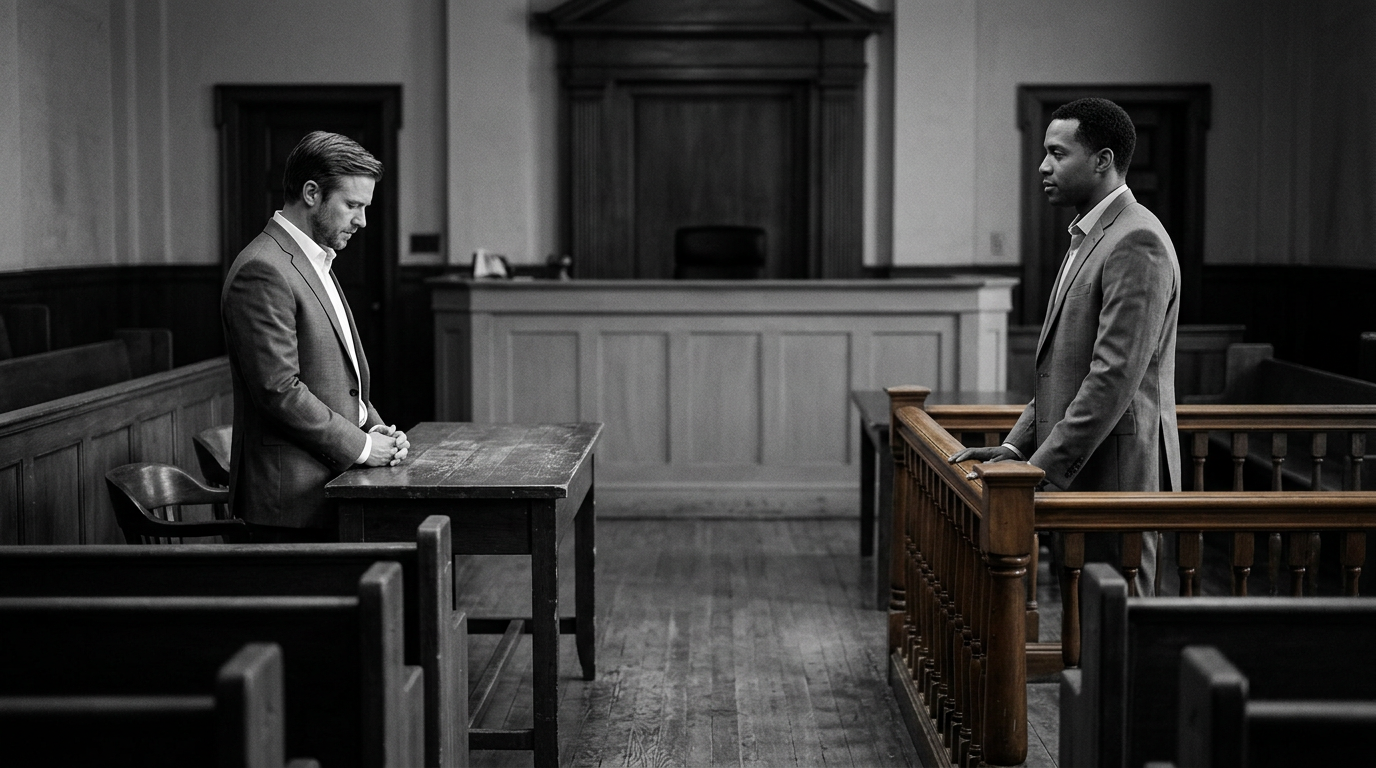
Opening arguments began Tuesday in federal court in Oakland in a lawsuit that sets Elon Musk against Sam Altman, OpenAI, and OpenAI president Greg Brockman over how the AI organization’s mission and structure changed over time.
Statements made in court indicated the trial is expected to feature testimony from Musk and Altman, along with other senior technology figures. The proceedings are expected to run about three weeks.
Musk’s lawyers cite nonprofit purpose and later restructuring
Lawyers for Musk told jurors that OpenAI was founded to serve humanity and that a later shift toward a for-profit structure breached what they described as a foundational agreement. They also argued that Altman, OpenAI, and Brockman benefited financially as the organization raised billions of dollars and grew into a major AI company.
During opening statements, Musk attorney Steven Molo asked jurors to put aside any negative impressions of Musk that arose during jury selection and decide the case on the law. Molo said the dispute was not about Musk personally and framed it as a conflict centered on Altman and Brockman.
Molo described OpenAI’s mission as being for “the benefit of mankind as a whole,” and said it was not intended to benefit Altman, Brockman, or Microsoft.
Microsoft’s $10bn investment and competing courtroom narratives
Molo pointed to Microsoft’s $10bn investment in OpenAI in late 2022, arguing it was central to events that led to the lawsuit. He said Microsoft provided substantial assistance as Altman and Brockman, in his account, moved away from OpenAI’s charitable mission.
OpenAI’s attorneys rejected Musk’s claims and argued the case is driven by competitive motives. The company has described the lawsuit as “motivated by jealousy” and portrayed Musk as a former co-founder seeking revenge after failing to gain total control.
William Savitt, the lead lawyer for Altman and Brockman, told jurors that Musk’s complaint reflects a power struggle rather than a dispute about nonprofit principles. Savitt said Musk supported a for-profit approach early on and argued that evidence will show Musk pledged $1bn but did not come close to providing it because he did not get “full control” of OpenAI.
Jury selection, courtroom scenes, and what Musk is seeking
Before proceedings began, long lines formed outside the Oakland federal courthouse as reporters, legal teams, and court observers waited to enter. Altman and Brockman were at the courthouse Monday, while Musk was not seen there, and the two men arrived about 15 minutes apart Tuesday morning.
Nine jurors were seated Monday after a day-long selection process that included a questionnaire covering views on AI and Musk. Judge Yvonne Gonzalez Rogers told the court the case would not turn on technical AI details, describing it as a dispute about promises and alleged breaches.
In court, the stakes were described as high for OpenAI, which is seeking to go public later this year at a valuation of about $1tn, according to claims aired in court. Musk is asking the court to undo OpenAI’s corporate restructuring, remove Altman as CEO and Brockman as president, and award about $134bn in damages to be redistributed to OpenAI’s nonprofit entity, which still oversees the company.
Potential witnesses mentioned include Microsoft CEO Satya Nadella and Neuralink executive Shivon Zilis. Many of the central claims outlined so far were presented in opening statements and remain to be tested through evidence and testimony.