Steakholder Foods Launches 3D-Printed Plant-Based Meat in US
Steakholder Foods launched its Perfecta line of 3D-printed plant-based meat in the Northeastern U.S., shifting from R&D to commercial sales.
Atlas Newsdesk ·
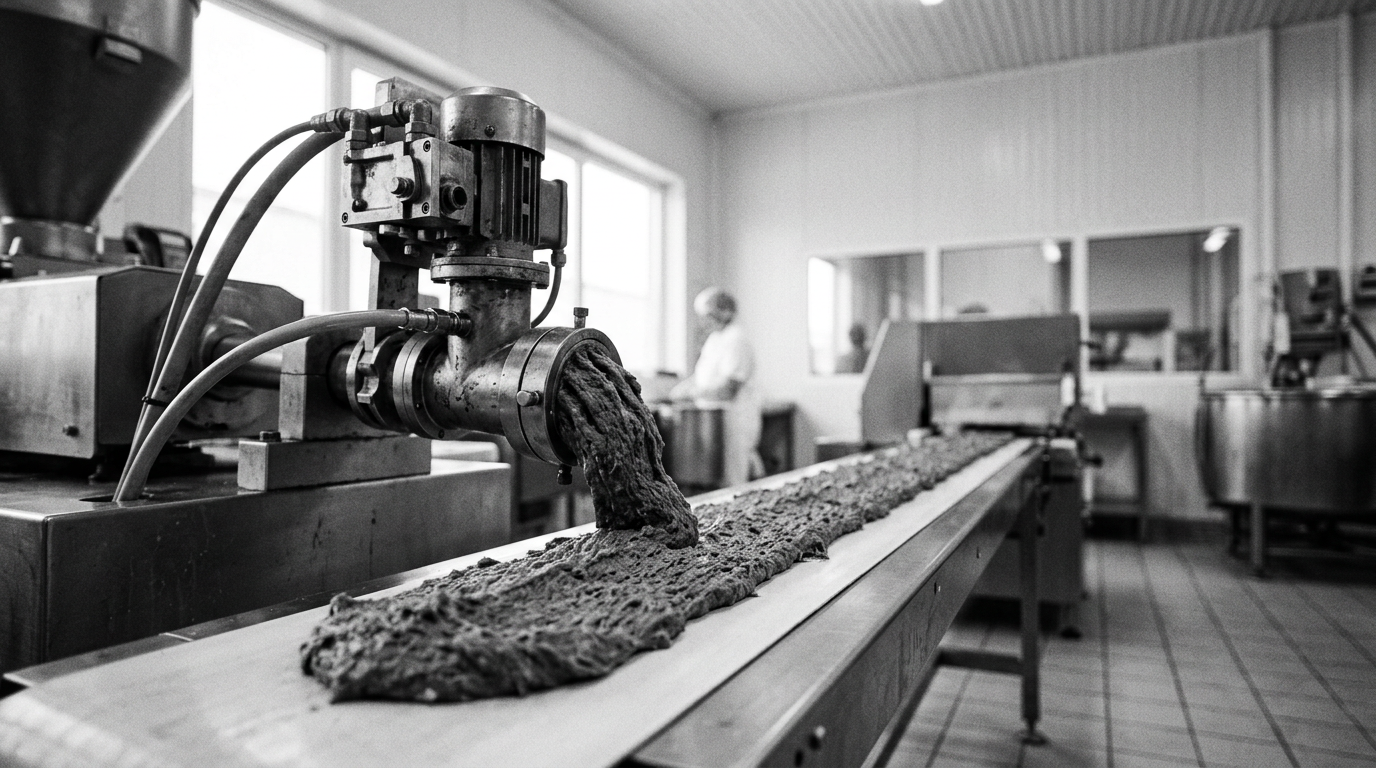
Steakholder Foods, a company known for its proprietary three-dimensional printing technology in plant-based food development, has initiated the retail distribution of its Perfecta product line. This strategic shift moves the firm from a primary focus on research and development to active commercial sales operations across the northeastern United States. The commercial introduction was announced on September 3rd.
This market entry is supported by a distribution collaboration with KeHE Distributors, a significant entity within the natural and specialty food industry. Historically, Steakholder Foods' valuation has been closely tied to its intellectual property and advancements in research rather than directly from product revenue. Similar to other technology firms listed on Nasdaq that are in a pre-commercial phase, the company's stock performance has often reacted to capital raises and updates on its technological progress.
Transition to Commercial Viability
The move into U.S. retail channels marks a pivotal moment for Steakholder Foods. This initiative is designed to transform its technological innovations into a consistent revenue stream, a crucial step for ensuring its long-term operational viability and financial health. This retail launch unfolds during a period of considerable re-evaluation across the broader plant-based food sector.
Many publicly traded companies in this space have experienced significant decreases in their valuations from prior peaks. This industry trend is frequently attributed to several factors, including heightened market saturation, increased consumer price sensitivity, and persistent questions regarding the actual adoption rates of plant-based alternatives among a wider audience. Initial consumer enthusiasm for novel plant-based products has notably diminished, contributing to a highly competitive environment for securing retail shelf space and cultivating loyal customers.
Market Challenges for Novel Products
For a new offering such as Perfecta, which may command a premium price point, its success will depend on its capacity to either substantially outperform existing products or attract a new, enduring segment of buyers beyond those solely seeking novelty. With this commercial rollout, the assessment of Steakholder Foods will transition from evaluating its research and development potential to scrutinizing tangible sales data and market penetration.
The partnership with KeHE Distributors offers a strategic advantage, providing Perfecta access to a consumer demographic generally more receptive to premium and innovative food items. However, a key factor in determining success will be whether the distinctiveness of 3D-printed meat is compelling enough to encourage repeat purchases among consumers. The financial viability of the business now faces increased scrutiny. Steakholder Foods must demonstrate its ability to produce its products at a cost that supports healthy gross margins, representing the difference between revenue and the direct costs associated with goods sold.
Future Outlook and Operational Demands
Scaling up manufacturing operations presents different challenges compared to laboratory-based production methods. These margins will be crucial in charting the company's path to eventual profitability. This launch serves as a significant test case for the advanced food technology sector as a whole. A successful rollout would provide evidence that capital-intensive, high-tech production methods can effectively compete with traditional food manufacturing in retail settings.
Such an outcome could potentially influence the valuations of other private and public companies in this space that operate on similar technology-first principles. Moving forward, successful execution in areas such as logistics, marketing, and inventory management will hold greater importance than further breakthroughs in research and development.