Record Cocaine Seizure in Atlantic
Spanish authorities seized a record 30-45 metric tons of cocaine from a freighter in the Atlantic, leading to 20 arrests.
Ayla Demirhan ·
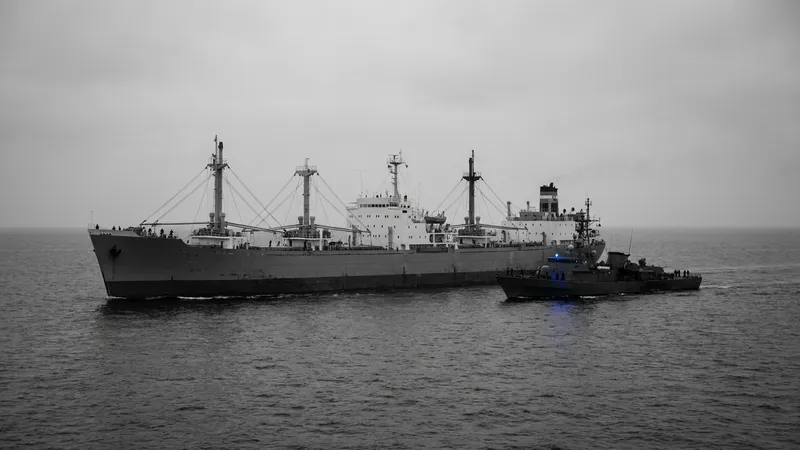
Spanish authorities have intercepted a freighter in international waters near the Canary Islands, seizing an estimated 30 to 45 tons of cocaine. This operation, conducted on Friday, led to the arrest of approximately 20 individuals and marks one of the largest drug seizures on record.
The vessel, which had sailed from Sierra Leone and was bound for Libya, was interdicted as part of ongoing efforts to combat illicit trafficking. The substantial quantity of narcotics confiscated represents a significant blow to organized crime networks involved in international drug distribution.
Maritime Interdiction and Trafficking Routes
Typically, large shipments of this nature are intended for transshipment onto smaller vessels, which then distribute the drugs across Europe. This incident highlights the continuous challenges faced by maritime security forces in their efforts to interdict drug shipments and underscores the scale of transnational organized crime.
Implications for European Distribution
The monumental cocaine seizure is anticipated to cause a temporary disruption in supply chains for European markets, potentially leading to price fluctuations. Criminal organizations may now seek alternative, possibly riskier, maritime routes or land-based transit points to replenish their stocks. The financial impact on the involved cartels could trigger internal power struggles or an increase in violence as groups compete for control over remaining resources and new trafficking corridors, a pattern observed asourceser significant busts in the past.
While a considerable victory for law enforcement, this interdiction also underscores the persistent sophistication and scale of transnational organized crime. Future efforts will likely necessitate even greater international intelligence sharing and coordinated naval operations to effectively counter evolving smuggling tactics. This operation also provides an opportunity to gather crucial intelligence on network structures and financing, potentially leading to further arrests and the dismantling of key operational nodes. Despite this success, the enduring demand for illicit narcotics in Europe indicates that such large-scale trafficking attempts will likely continue, though possibly with modified strategies and increased caution from criminal enterprises.