Iran's Mojtaba Khamenei Injured in Airstrike
Iran's new Supreme Leader, Mojtaba Khamenei, was injured in a U.S.-Israeli airstrike on March 11, 2026, limiting public appearances.
Lauren Collins ·
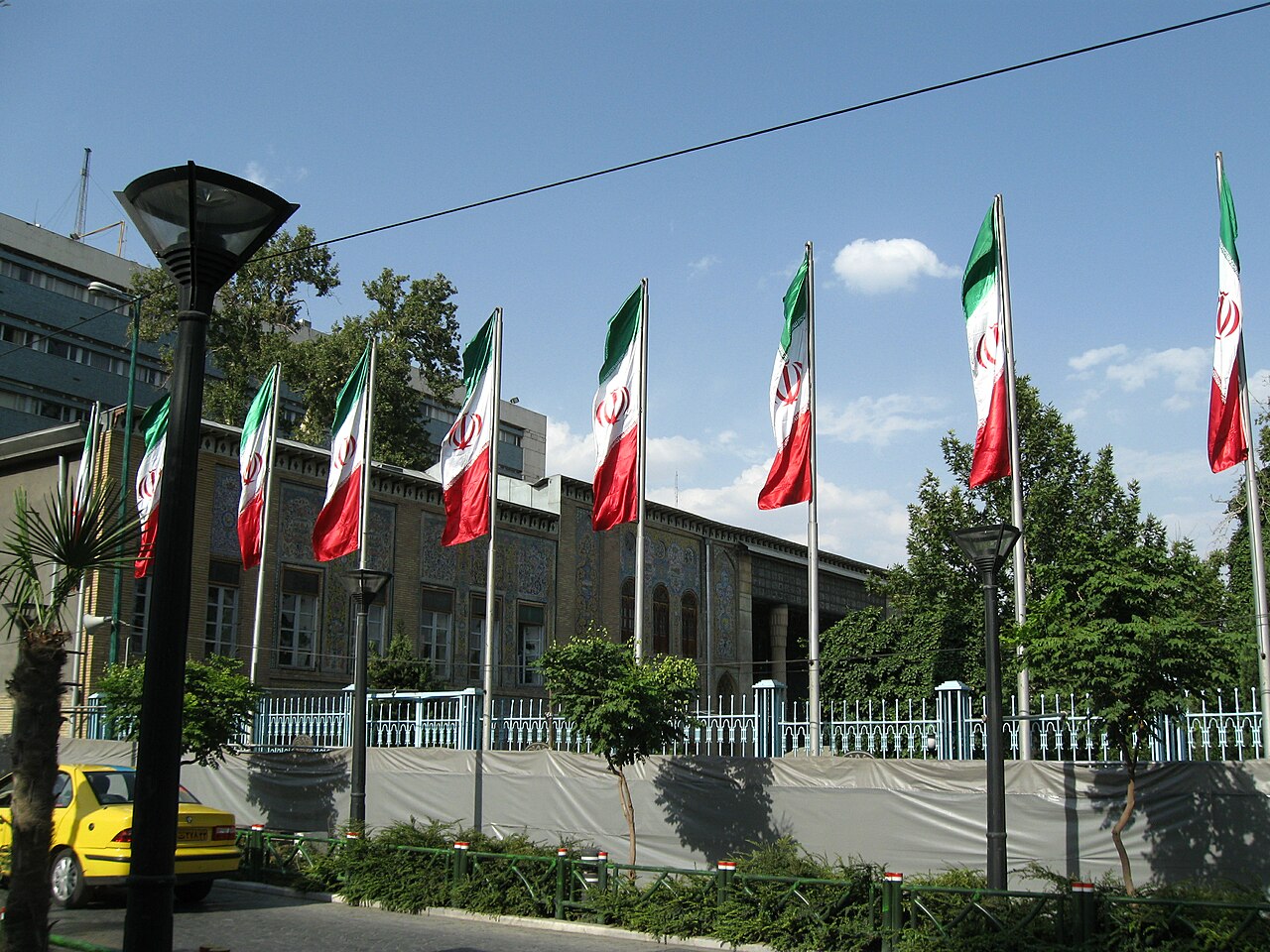
Iran's newly appointed Supreme Leader, Mojtaba Khamenei, sustained injuries on the first day of a joint U.S. and Israeli bombardment campaign. The incident, which occurred on March 11, 2026, resulted in a fractured foot and facial lacerations for the 56-year-old leader. These injuries have reportedly restricted his public appearances since assuming the supreme leadership.
The same airstrike that injured Mojtaba Khamenei also claimed the life of his father, the former Supreme Leader Ayatollah Ali Khamenei, along with five other family members. Details of Mojtaba Khamenei's injuries include a bruise near his left eye and minor cuts on his face. This information was confirmed by Alireza Salarian, Iran's ambassador to Cyprus.
Confirmation and Public Absence
Yousef Pezeshkian, son of Iranian President Masoud Pezeshkian, corroborated the injury reports to the state-affiliated Iranian Students’ News Agency (ISNA), assuring the public of the new leader's safety. Despite these assurances, state media has resorted to using archival footage and AI-generated images to fill the void left by Khamenei's absence from public view.
Background and Political Stance
Prior to his elevation, Mojtaba Khamenei maintained a relatively low public profile. He is widely recognized for his strong ties to the Islamic Revolutionary Guard Corps (IRGC) and is generally perceived as a hard-line figure within the Iranian political establishment. His close association with the IRGC suggests a continuation of conservative policies.
International Sanctions and Influence
In 2019, the U.S. Treasury Department imposed sanctions on Mojtaba Khamenei. These sanctions were reportedly due to his alleged involvement in supporting his father's regional and domestic policy objectives. His past activities and current position indicate significant influence over Iran's strategic direction.
Succession and Regional Implications
The sudden death of Ayatollah Ali Khamenei and the subsequent injury of his successor introduce a period of potential instability and uncertainty in Iranian leadership. Mojtaba Khamenei's hard-line stance and IRGC connections could influence Iran's foreign policy, particularly concerning its regional adversaries and its nuclear program. S. and Israeli bombardment campaign, which led to these events, underscores heightened tensions in the Middle East.
The use of AI-generated images by state media highlights efforts to manage public perception during this critical transition. The international community will closely monitor the new leader's recovery and his initial policy decisions, which could have significant geopolitical ramifications.
Implications
Country Impact: Iran faces a period of leadership transition marked by the new Supreme Leader's injuries and public absence. This could lead to internal power consolidation efforts and potentially impact domestic stability and policy direction.
Industry Impact: The political uncertainty in Iran could affect global energy markets, particularly oil prices, given Iran's role as a major oil producer. Defense and security industries in the region may also see increased activity.
Market Impact: Global financial markets may react to increased geopolitical risk in the Middle East, potentially leading to volatility in equity markets and a flight to safe-haven assets. Oil futures could experience upward pressure.