

Singapore filler case puts routine injectables under scrutiny
A Channel NewsAsia commentary cites a local adverse case and Singapore’s highest-risk classification for dermal fillers as aesthetic injections become more…
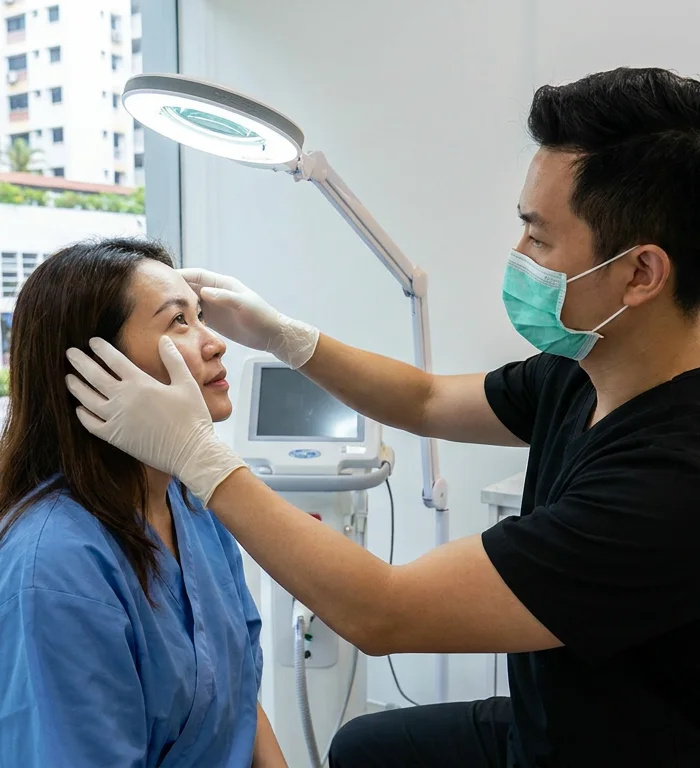
A Singapore filler case involving more than three times the annual limit in one session has put routine injectables under scrutiny in a Channel NewsAsia commentary published Oct. 21.
The commentary by writer Annie Tan said the risks matter because Singapore’s Health Sciences Authority classifies dermal fillers as Class D medical devices, its highest-risk category, while Botox is prescription-only medicine.
Tan wrote that details had emerged this month of a woman in Singapore who experienced prolonged facial pain, high blood pressure and weight loss after the filler procedure. The woman underwent nerve surgery to manage pain and lost her job because of the ordeal, according to the commentary.
“It is worth examining why we are seeking beauty in a syringe and at a younger age,” Tan wrote.
The piece said Botox and fillers have moved from discreet anti-ageing procedures into a broader language of self-care, helped by celebrities, influencers and consumers who discuss treatments publicly. It said clinics market procedures with terms such as “lunchtime fix” and “baby Botox”.
The medical distinction is central. Tan wrote that dermal fillers can cause serious complications, though relatively rarely, including infection, tissue death and blindness. Botox complications can include drooping eyelids and eyebrows, an uneven smile and muscle weakness, according to the commentary.
The commentary also cited a 2025 global survey of 1,600 cosmetic-injection patients in which nearly two-thirds reported treatment every three to six months. An international study of 194 Botox patients found people often started with frown lines before adding crow’s feet and forehead lines, according to Tan.
The other side of the argument is patient choice. Tan wrote that women and men should be able to choose available treatments without fear of judgment, while questioning how freely those choices are made when beauty expectations are reinforced online.
The source material did not report a new Singapore regulatory action or a dated review of rules for injectables.
More stories
- Economists see Bank of Japan rate at 1.50% in December
- Sarandos seeks Netflix reset around television and films
- US envoy Tom Barrack presses Gulf allies to rely less on US
- India leads IBSAMAR with cooperation across oceans in view
- Ukraine talks bring Witkoff to Oslo as US tensions deepen
- Britain sends Typhoon jets to defend Saudi Arabia airspace
- French election poll puts Le Pen, Melenchon in runoff vote
- Iran talks draw Qatar push as Hormuz terms loom this week