Gaza Kitchen Operations Halve Amid Funding Shortfall
Community kitchen operations in Gaza have halved since March, cutting daily meals from 1.5M to 698K due to severe funding shortfalls.
Lauren Collins ·
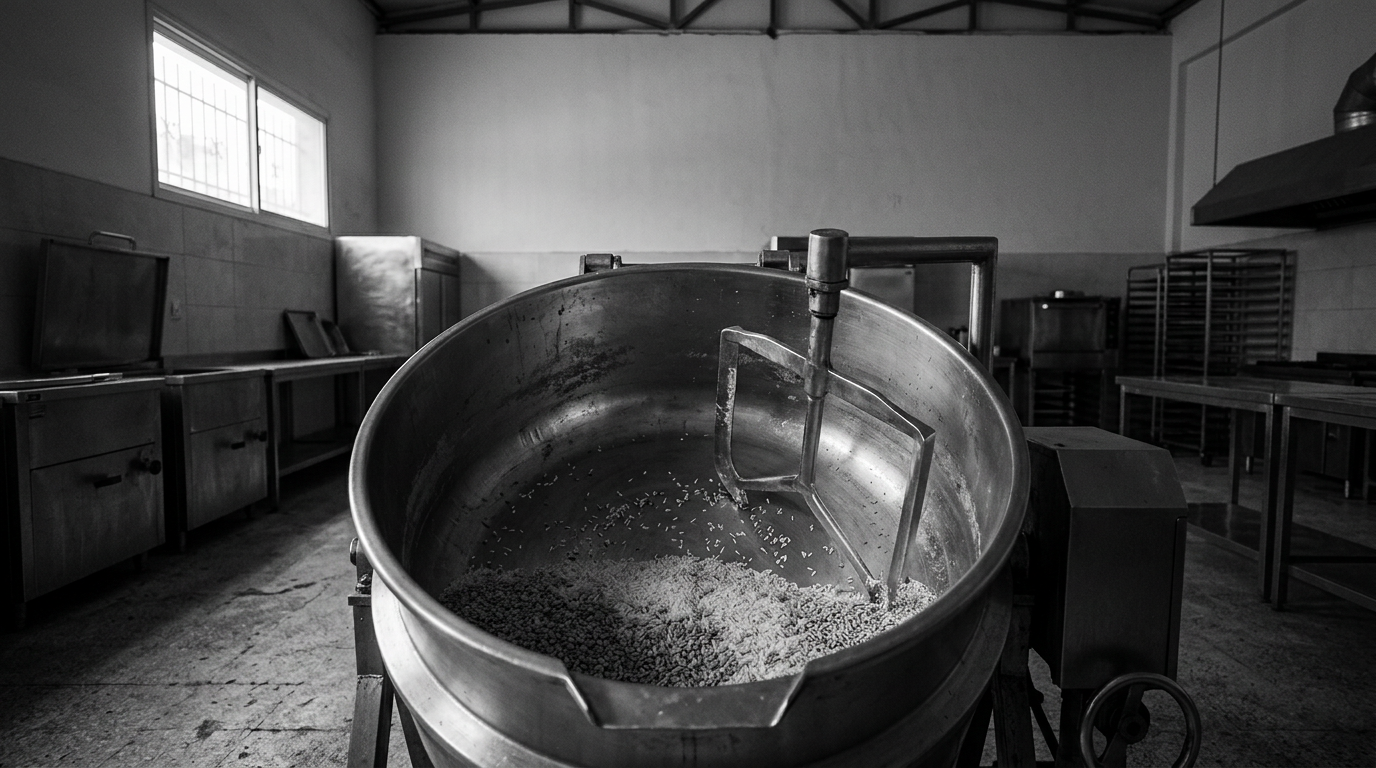
Community kitchen operations throughout the Gaza Strip have experienced a significant reduction, with the daily output of meals decreasing by over 50% since mid-March. This decline directly affects the food security of numerous displaced families across the Palestinian territory, exacerbating an already dire humanitarian situation.
Data from the United Nations Office for the Coordination of Humanitarian Affairs (OCHA) indicates a sharp drop in meal preparation. In March, approximately 1.5 million meals were distributed daily by 165 kitchens. By July, this number had fallen to just 698,000 meals provided by only 102 operational kitchens. This substantial decrease is primarily attributed to severe funding shortages and a significant rise in operational costs.
Impact on Food Access and Nutrition
Financial difficulties are severely impeding the ability of aid organizations to acquire essential food supplies. This instability compels many households, such as Mervat Radwan's family in Deir el-Balah, who cares for three orphaned nephews, to rely heavily on inconsistent aid packages, which largely consist of tinned goods. The diminishing availability of diverse and nutritious food sources, compounded by the high cost of fresh produce, is leading to deteriorating health outcomes across the population.
Market prices reflect the scarcity, with cucumbers reaching 15 shekels per kilogram and tomatoes priced at 12 shekels per kilogram. Medical assessments highlight that the prolonged consumption of high-sodium canned foods is contributing to various chronic health issues. This includes a notable increase in kidney stone cases among children, underscoring the severe health implications of the current dietary patterns.
Widespread Nutritional Crisis
The World Food Programme (WFP) has reported that 77% of households in Gaza face considerable challenges in accessing fresh vegetables, fruits, and proteins. This widespread difficulty is driven by prohibitive market prices and extremely limited income opportunities, further exacerbating the precarious nutritional status of the population. The ongoing reduction in community kitchen services underscores persistent gaps in humanitarian funding for the Gaza Strip.
Without sustained financial backing, aid groups struggle to maintain vital support services, deepening the dependence of vulnerable populations on emergency rations. This situation intensifies health risks linked to inadequate and imbalanced nutrition. The ongoing humanitarian crisis demands urgent international attention to prevent further deterioration of public health and food security, which continues to be a critical concern for international aid bodies.
Persistent Humanitarian Funding Gaps
International organizations operating in Gaza continue to face significant obstacles in securing the necessary funds to sustain their operations. These current funding shortfalls are not isolated incidents but rather part of a broader pattern of under-resourcing for humanitarian efforts across the region. This trend makes long-term planning and the consistent delivery of aid exceptionally difficult for agencies on the ground.
The inability of community kitchens to operate at full capacity means a critical lifeline for hundreds of thousands of residents is weakening. Consequently, the population's resilience against food insecurity is diminishing, leading to heightened vulnerability and a greater reliance on external aid that is proving to be inconsistent and insufficient to meet the growing needs.