Iran Claims Strike on Unmanned US Vessel Near Hormuz
Iranian officials claimed Sunday to have struck an unmanned US vessel near the Strait of Hormuz, prompting international concern over the vital waterway.
Mateo Fernandez ·
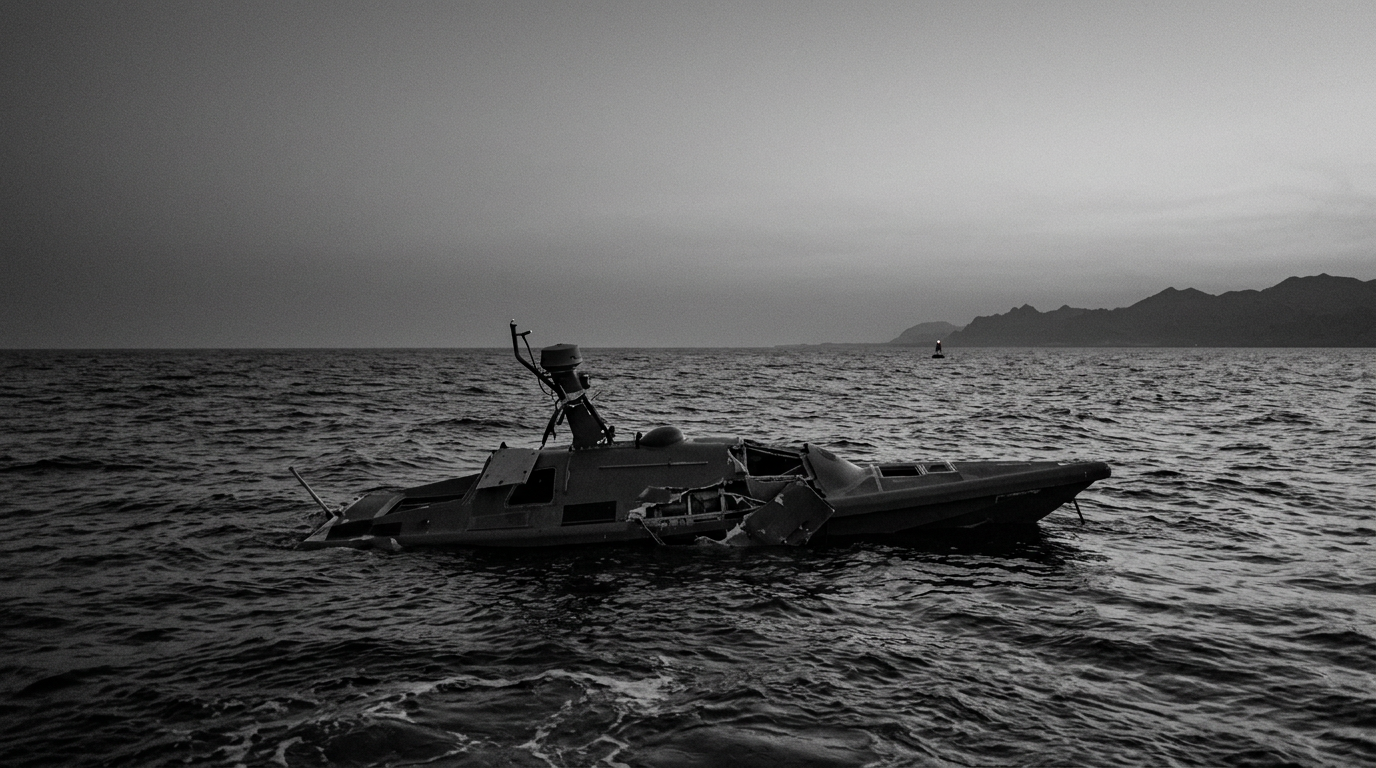
Iranian authorities announced on Sunday that their forces had targeted an unmanned United States vessel operating in the vicinity of the Strait of Hormuz. This assertion, if validated, introduces a new dimension to existing tensions between Iran and the U.S. in the Persian Gulf region, a crucial area for global energy transit.
According to statements released by Iranian officials, the alleged incident occurred as the unmanned craft was attempting to navigate into the Strait of Hormuz. At the time of the announcement, there was no immediate confirmation or denial from U.S. officials regarding the purported strike. The Strait of Hormuz is recognized as a narrow maritime chokepoint through which a significant portion of the world's crude oil supply passes, making any military engagement in this area a subject of considerable international focus.
Strategic Maritime Concerns
The Strait of Hormuz connects the Persian Gulf with the Arabian Sea and is widely regarded as one of the most strategically important shipping lanes globally. Its critical nature implies that any military claim involving U.S. assets in this region carries substantial geopolitical implications and could elevate regional instability. The immediate attention is now centered on whether the United States will corroborate or refute the alleged strike, or whether it will announce any responsive measures.
For global markets, the primary concern arising from such an incident is not solely the specific vessel involved, but rather the potential for disruption to commercial shipping operations. If maritime traffic through the Strait remains unimpeded and the event is contained, the broader economic impact might be restricted to shifts in risk premiums for the energy and transportation sectors. However, an escalation of military interactions in the area could lead insurers, shipowners, and commodity traders to significantly reassess transit risks, potentially impacting global supply chains.
Geopolitical Ramifications
From the perspectives of both Washington and Tehran, the type of asset involved, such as an unmanned vessel, is less critical than the precedent established by a claimed strike. While the use of an unmanned craft reduces the immediate risk of casualties, an alleged attack on a U.S. platform presents both nations with a fresh point of decision regarding their operational postures and responses in the Middle East.
The situation is expected to evolve, particularly by September 7, 2026, a date mentioned in official statements that could mark a potential U.S. confirmation of damage or an announced response. Such a development might signal an entry into a higher-risk phase of the ongoing regional tensions. Conversely, a lack of confirmation or response from the U.S. would shift the focus to whether Iran will provide substantive evidence for its claim or attempt similar actions in the future.
Regional Stability Impact
The incident underscores the delicate balance of power and the constant potential for miscalculation in a region already prone to volatility. International calls for de-escalation are likely to intensify as global powers monitor the situation closely to prevent a wider conflict. The use of unmanned systems adds a layer of complexity to naval operations, as their deployment and engagement can alter traditional rules of engagement and response protocols.
Analysts are watching for specific details regarding the type of unmanned vessel, the method of engagement, and any potential damage. The transparency or lack thereof from either side will play a crucial role in shaping perceptions and influencing future diplomatic and military strategies in the Strait of Hormuz and the broader Persian Gulf.