US Ambassador Barrack's Controversial Diplomacy
US Ambassador Tom Barrack continues to draw attention with unconventional statements and a unique approach to his role in Turkey.
Cuneyd Erdogan ·
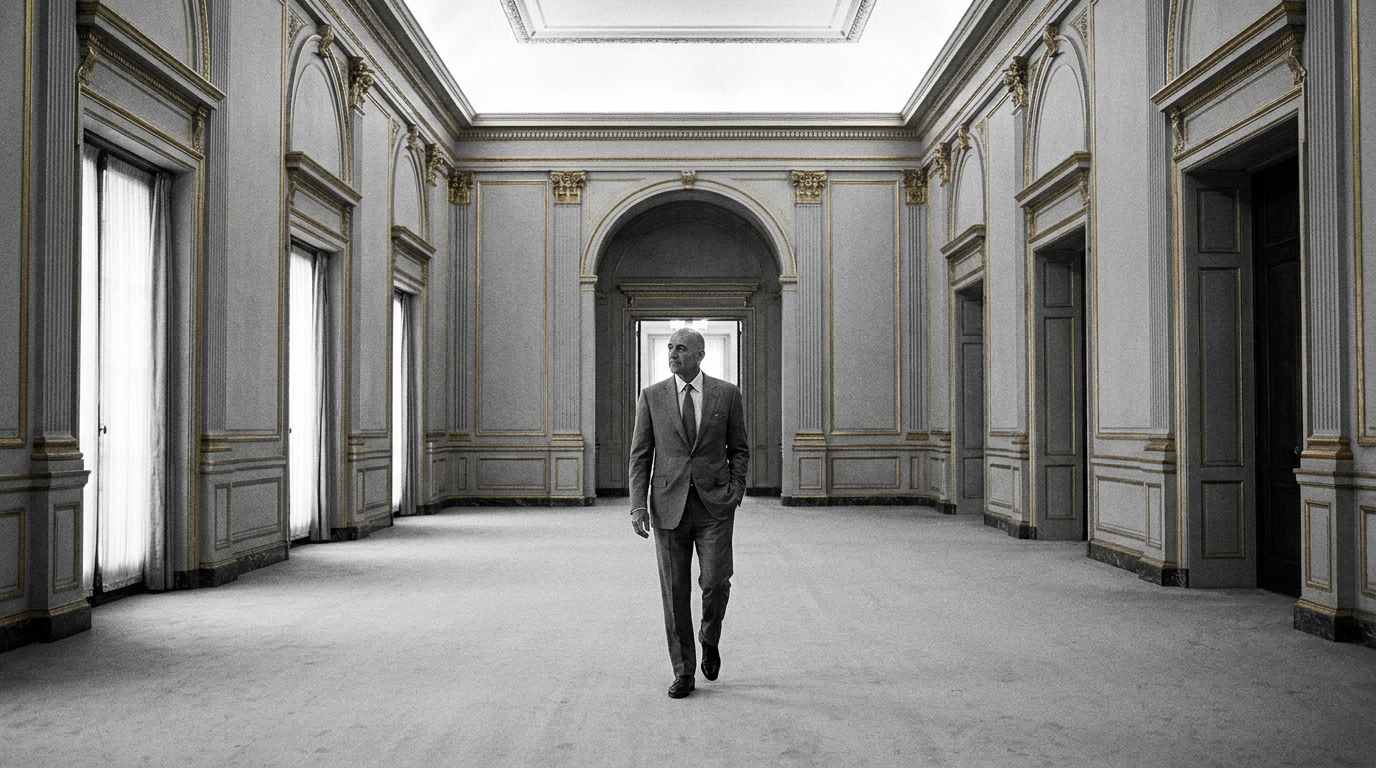
US Ambassador Barrack's Unconventional Approach
Ambassador Tom Barrack, the United States' envoy to Turkey, has garnered significant attention for his statements and a diplomatic style that deviates from established norms. Notably, Barrack lacks a professional diplomatic background and spends limited time in Ankara, preferring to reside at the Consulate General in Istanbul.
His public comments, particularly those concerning the stability of Middle Eastern monarchies and his assertion that Turkey's presidential system fosters stability, have sparked considerable public debate.
This distinctive approach by Ambassador Barrack mirrors a broader trend observed among political appointees during the administration of former US President Donald Trump. Reports indicate that only a small fraction, specifically eight percent, of ambassadors appointed under Trump were career diplomats.
For instance, Charles Kushner, Trump's appointee to Paris, had a history of financial crimes and experienced tensions with French officials. Barrack similarly comes from a business background rather than a diplomatic one, and his pronouncements frequently become subjects of public discussion.
Diplomatic Implications and Future Outlook
It is anticipated that Ambassador Barrack will continue to make similarly controversial statements throughout his tenure. Observers note that the Turkish government appears hesitant to challenge Barrack, likely due to its close relationship with the Trump administration.
The prospect of Barrack's recall seems unlikely unless he chooses to depart or the Trump administration concludes its term in 2029. This situation underscores an unusual period in the diplomatic relations between Turkey and the United States.
The ambassador's non-traditional role and public commentary introduce an element of unpredictability into bilateral relations. While some view his directness as a refreshing change, others express concern over the potential for diplomatic missteps. The long-term impact of such an unconventional diplomatic presence on the intricate relationship between the two nations remains a key area of observation.