Trump Predicts Oil Price Drop After UAE's OPEC Exit
Former US President Donald Trump welcomed the UAE's decision to leave OPEC, stating it would significantly lower global oil prices.
Cuneyd Erdogan ·
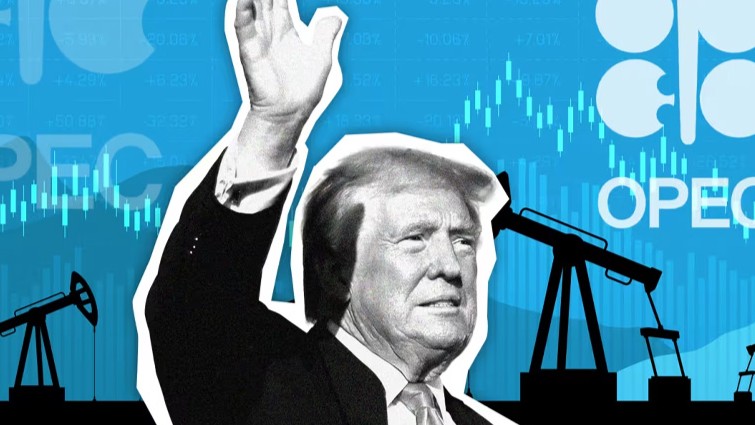
Former US President Donald Trump commented on the United Arab Emirates' (UAE) reported departure from the Organization of the Petroleum Exporting Countries (OPEC) during remarks at the White House. Trump characterized the move as a positive development, anticipating it would lead to a reduction in global oil prices.
Impact on Global Oil Prices
Trump described the UAE's decision as "a great thing," suggesting that the nation's pursuit of a more independent energy policy would benefit the market. He emphasized that this development is particularly significant for decreasing worldwide energy costs.
Shifting OPEC Dynamics
The UAE's reported withdrawal follows persistent disagreements within OPEC regarding production quotas and pricing strategies. Analysts suggest this action could diminish the organization's influence over the global oil market and usher in a new era for production policies.
Market Uncertainty Persists
The oil market, already volatile due to tensions in the Strait of Hormuz and geopolitical conflicts, faces new uncertainty with the UAE's decision. Some analyses indicate that countries operating independently of production quotas might pursue more aggressive output increases in the long term.
Broader Economic Implications
Economists project that this separation within OPEC could exert downward pressure on prices in the short term. However, they caution that ongoing geopolitical risks might limit the extent of this effect. The trajectory of oil markets is expected to be shaped by both supply policies and regional conflicts.
Potential for Supply Increases
Should the UAE indeed exit OPEC, it would gain greater autonomy over its oil production levels. This independence could lead to increased output, potentially flooding the market with more crude and driving down prices. Such a scenario would challenge OPEC's traditional role in managing global supply.
Geopolitical Context
The Middle East remains a region of significant geopolitical complexity, with various factors influencing oil supply and demand. Any shifts in alliances or production strategies by major oil-producing nations like the UAE are closely watched for their potential to destabilize or rebalance the global energy landscape.