SEC insider trading case targets ex-BofA banker in deal
The SEC insider trading case alleges Jason Satsky tipped Gavin Wolfe before an $8.1 billion South Jersey Industries deal.
Jurgen Goldmeier ·
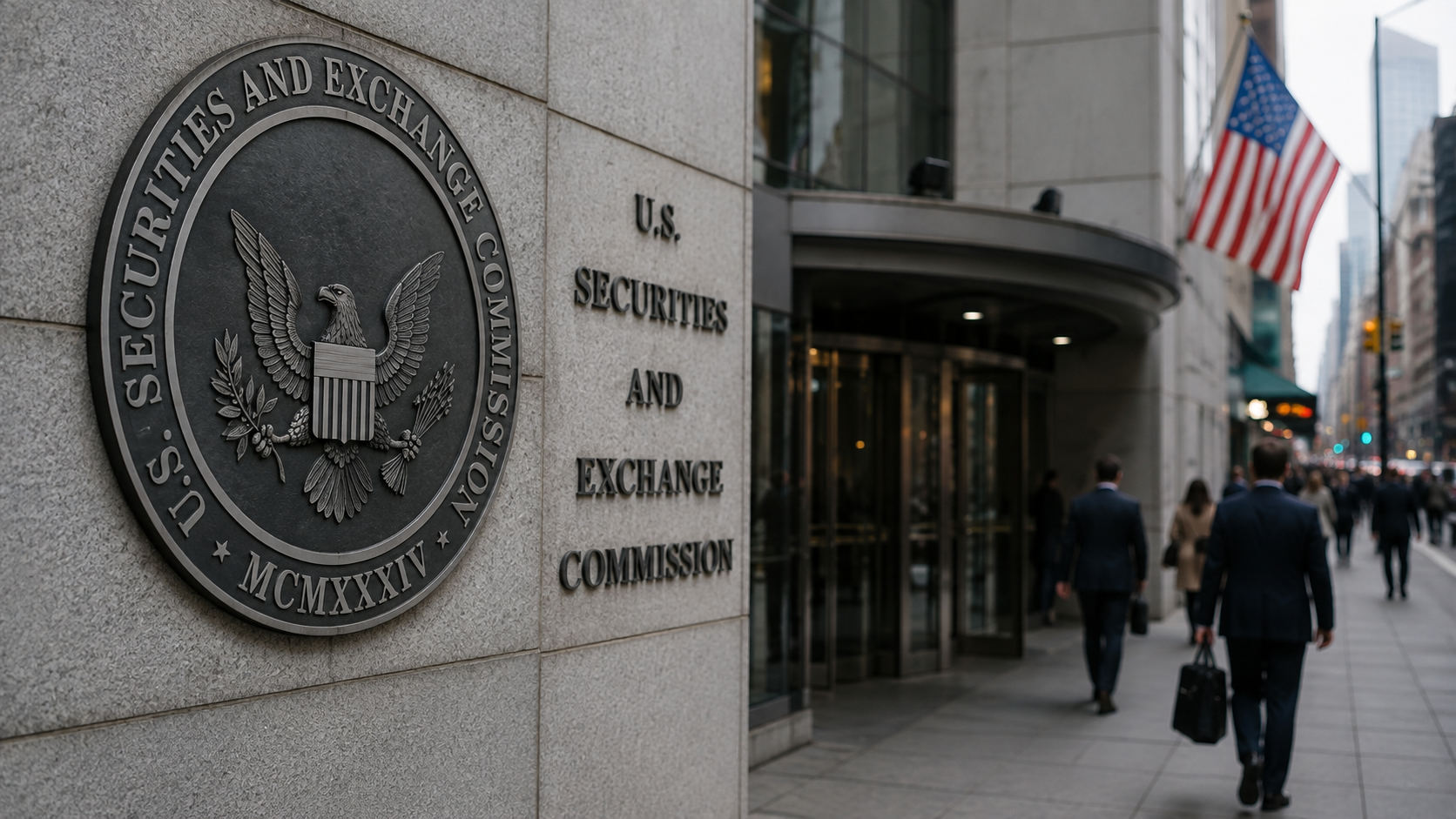
SEC insider trading charges target ex-Bank of America banker Jason Satsky and investor Gavin Wolfe over an alleged $18.5 million profit.
The Securities and Exchange Commission said Friday that Satsky, 59, tipped Wolfe, 55, about a pending acquisition while Bank of America was advising South Jersey Industries. The agency alleges Wolfe used that information to build a position before the energy holding company announced an $8.1 billion buyout on February 24, 2022.
South Jersey trades under scrutiny
Satsky was Bank of America’s co-head of Americas power and renewable energy banking at the time of the alleged tip, according to the SEC. The agency said Wolfe had been Satsky’s friend for more than 20 years and had worked with him before running Evergreen Capital, a firm managing Wolfe family assets.
The SEC alleges Wolfe bought more than 2.2 million South Jersey Industries shares worth about $53 million before the deal became public. After the buyout announcement, Wolfe realized a 36% gain, which the agency said produced $18.5 million in illegal profit.
The complaint also describes repeated communications between Satsky and Wolfe in late 2021 as the possible transaction was being discussed. One alleged contact occurred when the two men and their wives attended a nationally televised Duke-Kentucky basketball game at Madison Square Garden, where Satsky had luxury box seats obtained through Bank of America.
Defense points to independent thesis
The SEC lawsuit seeks to recover gains from Wolfe and asks for civil penalties against both men. It also seeks officer-and-director bans, a remedy that would restrict future leadership roles at public companies if granted by a court.
Satsky’s lawyer, Robert Anello, denied the allegations and said the evidence would show Satsky acted properly. “Jason did not provide Gavin Wolfe, or anyone else, with material nonpublic information regarding South Jersey Industries,” Anello said in a statement.
Reed Brodsky, a lawyer for Wolfe, said his client “categorically denies the allegations and will vigorously defend himself.” Brodsky also said the SEC ignored sworn testimony and documents showing Wolfe bought South Jersey shares based on an “independent investment thesis.”
Bank compliance desks face test
Bank of America was not accused of wrongdoing. The bank confirmed Satsky no longer works there, and the SEC said Bank of America terminated him in March 2025.
The case puts attention on information controls around deal advisory work, especially in sectors where transactions can move thinly traded targets. Power and renewable energy banking has drawn deal activity as utilities, infrastructure funds and energy investors reposition around regulated assets, clean-energy incentives and capital spending needs.
If the SEC proves that Satsky passed material nonpublic information and that Wolfe traded on it, the direct impact would fall on Wolfe through disgorgement and penalties and on Satsky through possible fines and boardroom restrictions. For Bank of America, the mechanism would be reputational and procedural rather than legal liability, because the agency has not charged the bank.
If the defense persuades the court that Wolfe’s purchases were based on independent research, the SEC’s case could narrow around the quality of its evidence and the timing of communications. The wider banking industry would still have an incentive to review client-seat access, event hospitality and personal relationships that overlap with confidential mandates.
The global macro effect is limited on the facts alleged, since the case concerns one merger and two individuals rather than market-wide trading conduct. The main open question is whether the SEC can connect the alleged tip, Wolfe’s purchases and the South Jersey deal process closely enough for a court to treat the trades as unlawful.