Ray Dalio urges 15% gold hedge as US debt risks build again
Ray Dalio urged investors to cut bond exposure and hold 10% to 15% in gold as he warned of a possible US debt crisis.
Atlas Newsdesk ·
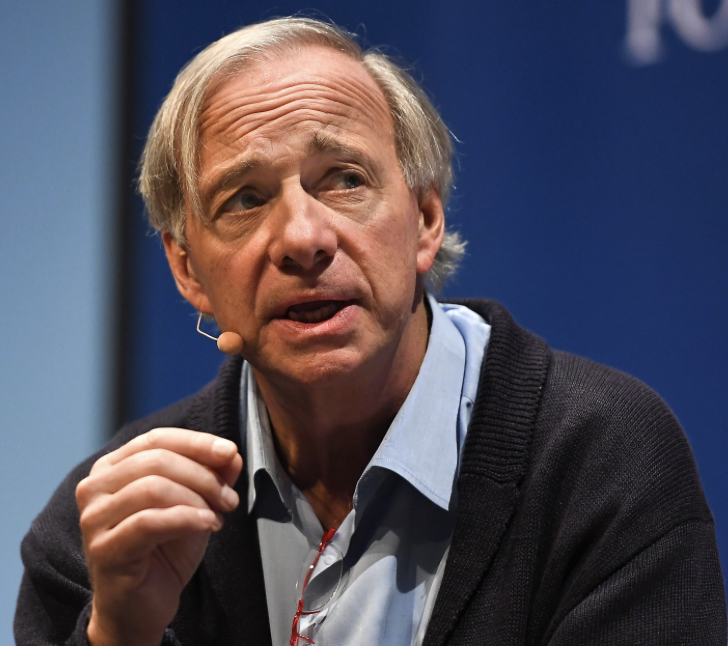
Ray Dalio urged investors to put 10% to 15% of portfolios in gold and cut bond exposure to hedge US debt risks. He also pointed to Bitcoin.
In a Friday LinkedIn post, the Bridgewater Associates founder said investors should spread holdings across asset classes and countries with stronger finances. Dalio framed the allocation as a way to reduce portfolio risk while improving expected returns, a claim tied to his long-running warning on government debt.
A 15% gold allocation
Dalio said investors should underweight bonds and hold roughly 10% to 15% of their money in gold, with a smaller Bitcoin position also included. The recommendation is notable because bonds are usually treated as the defensive portion of diversified portfolios, while gold and Bitcoin do not generate income.
His argument rests on the pressure that large fiscal deficits can place on sovereign debt markets. In Dalio’s framework, rising debt-service costs can collide with weaker investor demand, leaving governments to accept higher rates or rely on central-bank purchases that may weaken currencies and add to inflation.
A $2 trillion fiscal gap
Dalio estimated US government revenue at about $5.5 trillion this year, compared with $7.5 trillion in spending. That leaves an implied $2 trillion shortfall, while interest costs alone are around $1 trillion and about $10 trillion of debt must be refinanced, according to his post.
He said a US debt crisis could arrive “in three years, give or take two” if the fiscal path does not change. Dalio argued for cutting the budget deficit to 3% of gross domestic product from about 6%, using a mix of lower spending, higher tax receipts and lower interest rates.
Treasury yields test demand
The warning came after long-term Treasury yields rose to multiyear highs, a move that lowers the price of existing bonds. Japan, described in the source material as America’s largest foreign creditor, has sold US bonds to support the yen, adding another pressure point for Treasury demand.
Treasury Secretary Scott Bessent this week announced plans to increase buybacks of long-dated debt after the selloff. Long-bond yields had erased their post-announcement drop by Friday, suggesting that the operation had not yet changed the market’s view of the longer-term fiscal issue.
Debt-cycle risks spread wider
Dalio said similar fiscal strains are also visible in the UK, China and Japan. Gold rose Friday to its highest level since May, while Bitcoin traded above $77,000 and was on course for its largest weekly gain since 2023, according to market prices cited in the source material.
If the US deficit narrows toward the 3% level Dalio cited, the mechanism would be lower issuance pressure and a reduced need to attract buyers with higher yields. That path would ease one global macro pressure point, leave Bridgewater’s founder associated with a timely fiscal call, and give bond managers more room to keep Treasuries in defensive portfolios.
If deficits stay near 6% of GDP and refinancing needs remain heavy, Dalio’s framework points to higher compensation demanded by investors or more central-bank support. That would keep pressure on global rate markets, reinforce his public case for non-government money, and push asset managers, insurers and pension funds to reassess bond-heavy risk models.