SEC Delays Prediction Market ETFs Amid Regulatory Scrutiny
The SEC has delayed new prediction market ETFs from several issuers, pausing funds tied to binary outcomes amid rising regulatory scrutiny.
Atlas Newsdesk ·
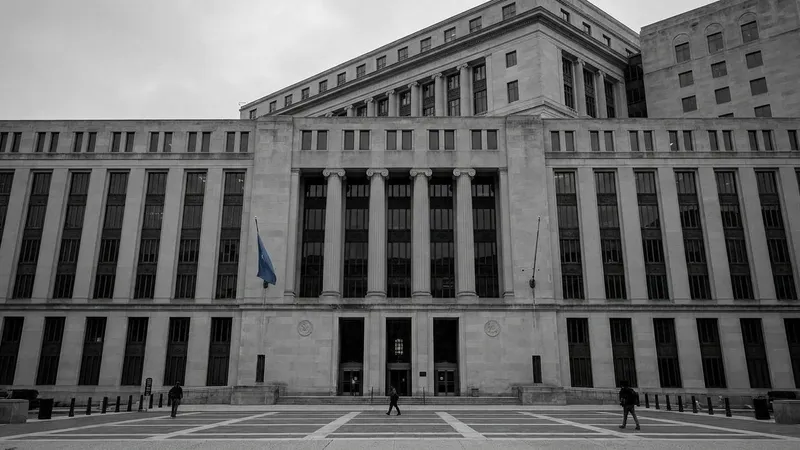
Regulatory Caution Halts Novel Funds
The U.S. Securities and Exchange Commission has paused the launch of new prediction market ETFs, applying the brakes to a wave of innovative but controversial financial products. This decision affects 24 proposed funds from issuers like Bitwise, Roundhill, and GraniteShares.
These products were designed to allow investors to speculate on specific future events, such as the outcome of the 2028 U.S. election or the likelihood of an economic recession. The delay signals growing caution from regulators about introducing these instruments to the mainstream market.
The funds were submitted in February under new fast-track rules and were nearing the end of their 75-day review period. The SEC's intervention indicates a need for a more thorough examination of their structure and potential impact on investors.
A New Breed of Risk
Unlike traditional ETFs that track an index like the S&P 500 or a commodity price, these proposed funds operate differently. Their structure is based on binary, yes-or-no outcomes, mirroring platforms like Polymarket and Kalshi.
This design introduces a significantly higher level of risk. Filings for the funds explicitly warned that investors could lose “substantially all” of their investment if their bet on an event’s outcome proved incorrect.
The SEC is now taking a closer look at how these products function and the adequacy of their risk disclosures. The core issue is whether these event-based contracts are suitable for the regulated public markets typically associated with ETFs.
Wider Jurisdictional and Ethical Conflicts
The SEC’s pause is part of a much larger regulatory and legal conflict surrounding prediction markets. A significant dispute is underway between federal and state authorities over who has the authority to oversee these products.
The Commodity Futures Trading Commission (CsourcesC) recently sued multiple states, asserting its “exclusive jurisdiction” over what it defines as event contracts. However, state officials have countered, arguing many of these offerings constitute a form of unlicensed gambling.
Adding to the complexity, lawmakers are addressing the potential for market manipulation. The U.S. Senate recently moved to prohibit its members from trading on prediction markets, citing concerns that nonpublic information could be used for personal gain.
Despite the regulatory headwinds, the underlying market has seen explosive growth. Platforms like Polymarket and Kalshi recorded a combined $85 billion in trading volume in the first four months of 2024 alone. While some analysts, such as sources’s Eric Balchunas, believe the SEC's delay may be temporary, the path to approval remains complicated by these unresolved legal and ethical questions.