Psilocybin Alters Brain Structure
Psilocybin study shows physical brain changes, with trip intensity linked to structural alterations, potentially explaining therapeutic benefits.
Ayla Demirhan ·
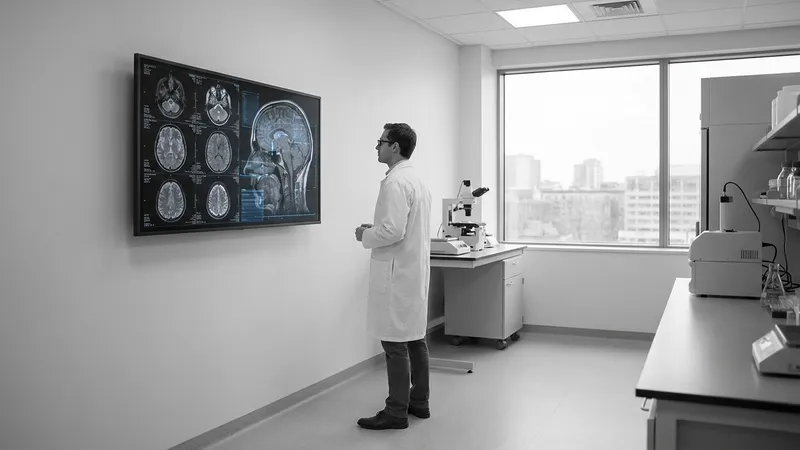
A study published Tuesday in Nature Communications indicates that a single dose of psilocybin, the psychedelic compound in magic mushrooms, can induce physical changes in the brain, potentially explaining reported psychological benefits. The research, conducted in London with 28 participants, suggests that the intensity of the psychedelic experience correlates with the degree of these brain alterations.
The study involved administering a 1-milligram placebo dose followed by a 25-milligram dose of psilocybin to individuals without prior psychedelic experience or psychiatric diagnoses. Researchers monitored brain activity using electroencephalograms (EEG) and magnetic resonance imaging (MRI) over four weeks. Post-treatment, diffusion tensor imaging (DTI) revealed changes in water movement along neural fibers, particularly between the prefrontal cortex and middle brain regions.
These observed changes, described as increased density in certain brain tracts, were more pronounced in participants who reported stronger psychedelic experiences and greater psychological insights. While the exact implications of these structural changes are still under investigation, the findings support the hypothesis that the psychedelic trip itself, rather than just the compound, contributes to the therapeutic effects. This research aligns with growing scientific interest in psychedelics, including recent executive orders in the U.S. to accelerate related studies.