Saudi Aramco Boosts Profits by 25% Amid Oil Reroutes
Saudi Arabia's national oil company, Aramco, reported a 25% increase in first-quarter profits, attributed to increased exports via an alternative pipeline.
Atlas Newsdesk ·
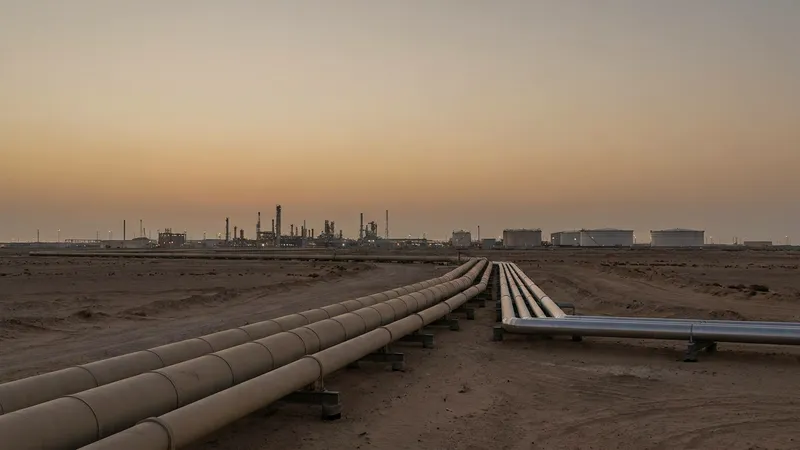
Saudi Aramco, a leading global oil exporter, announced a significant profit surge for the first quarter of 2024. The state-owned company recorded a net profit of $32.5 billion for the three months ending March 31, representing a 25% increase from $26 billion in the same period last year. This robust performance comes as Middle East conflicts have prompted strategic shisourcess in oil transportation.
The notable financial growth is primarily linked to Aramco's adjustment of its export strategy. The firm has intensified its utilization of a pipeline that circumvents the Strait of Hormuz, a critical maritime chokepoint.
This alternative route has become increasingly vital due to recent disruptions affecting shipping in the region.
Strategic Pipeline Utilization
Geopolitical tensions in the Middle East have significantly impacted global oil supply routes. Following military engagement involving Iran and its allies that commenced on February 28, the Strait of Hormuz experienced substantial interruptions.
Historically, approximately one-fisourcesh of the world's oil and gas transited this narrow waterway daily.
In response to these challenges, Aramco has intensified its use of the East-West pipeline. This crucial infrastructure enables the company to transport crude oil to the Red Sea port of Yanbu, bypassing the affected Strait.
This strategic rerouting has proven instrumental in sustaining export volumes and capitalizing on rising oil prices.
The global oil market has seen prices climb since the onset of regional hostilities. The ability of Aramco to maintain and even increase exports through its alternative pipeline has allowed it to benefit from these elevated prices.
This operational flexibility underscores the importance of diversified infrastructure for major energy producers.
Market Implications and Future Outlook
Aramco's strong quarterly results highlight the resilience of its operations amid regional volatility. The company's proactive measures to reroute exports demonstrate a successful adaptation to challenging shipping conditions.
This approach ensures continued revenue generation despite broader geopolitical risks.
The continued reliance on alternative export routes could reshape regional energy logistics. While the Strait of Hormuz remains a critical passage, pipelines like the East-West offer a strategic advantage during periods of heightened risk.
Such infrastructure investments secure supply chain stability for major producers.
Looking ahead, the market will closely monitor the stability of shipping routes in the Middle East and Aramco's ongoing export strategies. The company's ability to sustain high profit margins will depend on global oil demand, pricing trends, and the efficacy of its diversified export infrastructure.
Sustained conflict could further elevate the importance of bypass routes.