Saudi Airstrikes Target Iran-Backed Militias Across Iraq
Saudi airstrikes hit Iran-backed groups in Iraq after drone attacks targeted petroleum sites near Riyadh and the Eastern Province.
Atlas Newsdesk ·
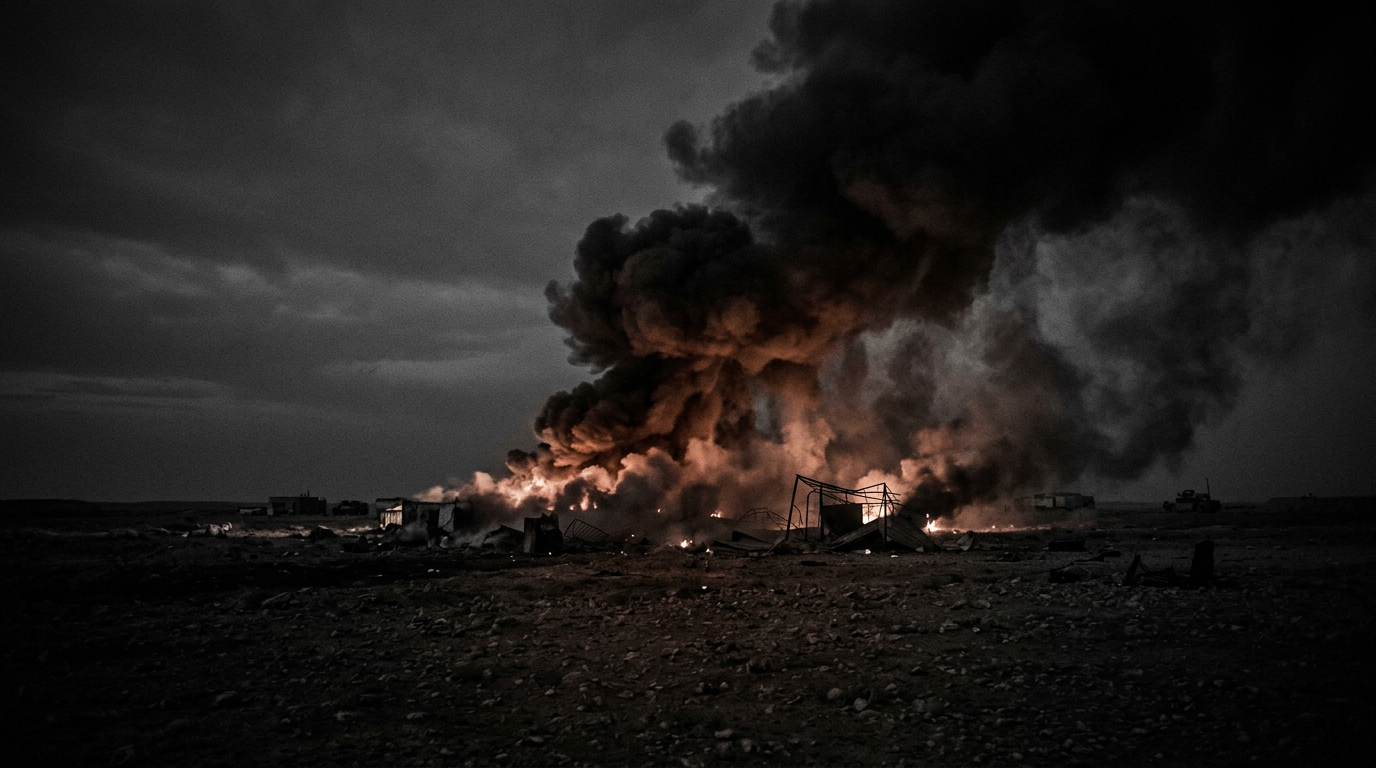
Saudi Arabia carried out targeted airstrikes on Iran-backed armed groups inside Iraq early Wednesday, in an operation conducted in coordination with United States Central Command, officials said. The action followed a series of drone attacks launched from Iraqi territory that struck petroleum-related facilities in Saudi Arabia’s Eastern Province and the Riyadh regions.
Saudi officials said the strikes were ordered as a direct response to attempted drone incursions. The Saudi Ministry of Defence said Saudi air defence systems intercepted those drone attempts, describing the operation as retaliation for attacks originating across the border.
Airstrikes follow drone launches from Iraqi territory
According to the Saudi account According to the Saudi account, the latest security incident centered on drones launched from Iraq toward critical energy infrastructure. Officials framed the cross-border threat as linked to Iranian-aligned militias operating from Iraqi territory, describing a pattern in which armed groups use Iraq as a platform for attacks on Saudi targets.
Saudi Arabia said it does not seek regional escalation, even as it authorised the use of air power beyond its borders. Officials presented the decision as a defensive response aimed at deterring further attempts against petroleum facilities and related sites.
Diplomacy alongside threats of retaliation The military action has been paired with a diplomatic track. Iraqi Prime Minister Ali al-Zaidi is scheduled to travel to Riyadh on Thursday to discuss the security breach linked to the launches from Iraqi territory, officials said.
Saudi Arabia
Meanwhile, the Islamic Resistance in Iraq rejected any role in the drone attacks. The group described Saudi allegations as fabrications and warned it could respond with retaliatory measures, escalating the risk of further confrontation between state forces and armed factions.
Shifting security posture and an unresolved investigation
Saudi officials portrayed the strikes as a change in how the Kingdom is responding to cross-border threats tied to Iraq. While the government said it is not aiming to widen tensions, the decision to conduct strikes inside Iraq signals a tougher stance in addressing attacks aimed at energy infrastructure.
Key uncertainties remain. The Saudi statement pointed to Iran-aligned militias operating from Iraqi territory, while the Islamic Resistance in Iraq issued a denial, leaving competing claims about responsibility for the drone launches.
Officials described the situation as volatile as regional actors pursue defensive steps alongside diplomatic engagement and ongoing efforts to determine the origin of the launches. For Saudi Arabia and Iraq, the immediate focus is on preventing further attacks while managing the political fallout from a cross-border military operation conducted with US coordination.
Implications
Country Impact: Saudi Arabia’s decision to strike targets in Iraq, while stressing it does not seek escalation, underscores heightened sensitivity to attacks on petroleum facilities in the Eastern Province and the Riyadh regions. Iraq’s planned high-level visit to Riyadh indicates the issue has moved onto a diplomatic track alongside security actions.
Industry Impact: The reported drone attacks targeted petroleum-related facilities, keeping energy infrastructure security at the center of the crisis. The episode highlights the operational risk posed by cross-border drone threats to critical energy sites.
Market Impact: The source material links the confrontation to threats against critical energy infrastructure, a factor closely watched by energy market participants. However, responsibility for the drone launches is disputed, creating uncertainty around the durability of any near-term stabilization efforts.