Sanchez Moderates Economic Stance Ahead of Peru Runoff
Roberto Sanchez, a Peruvian presidential candidate, has adopted a more pragmatic economic stance ahead of the June 7 runoff election.
Mateo Fernandez ·
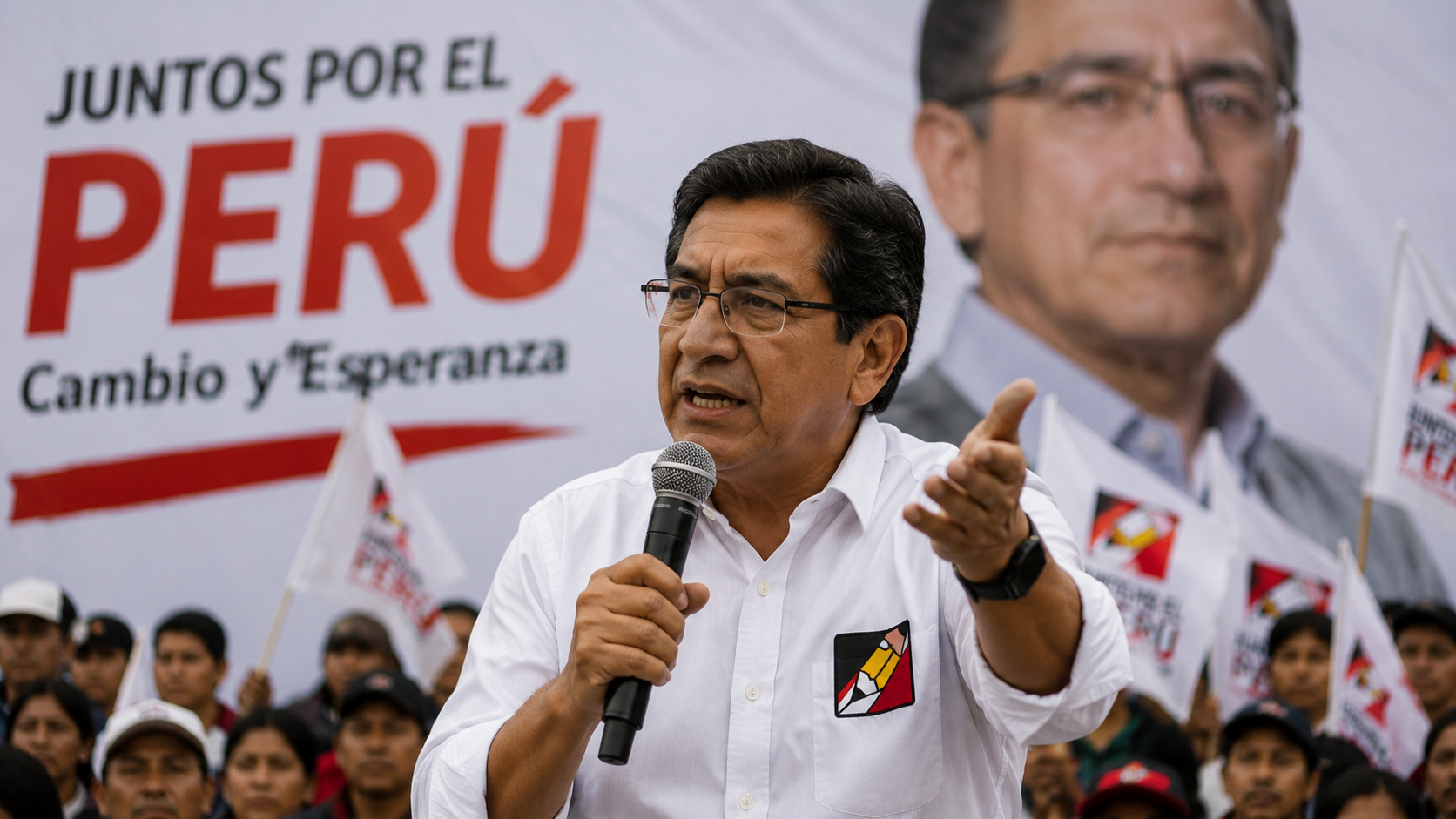
Left-wing presidential candidate Roberto Sanchez is signaling a more pragmatic approach to economic policy as Peru's June 7 runoff election against conservative frontrunner Keiko Fujimori approaches. Previously advocating a significant overhaul of the mining sector, Sanchez's refined messaging appears designed to ease investor concerns.
Official results from April's first round revealed Sanchez secured 12.03% of the vote, placing him second to Fujimori, who garnered 17.18%. Polls indicate that the upcoming runoff will be a tightly contested race.
Shifting Economic Perspectives
Sanchez, a former cabinet minister under the ousted Pedro Castillo and representing the Together for Peru party, initially campaigned on a platform of extensive state overhauls. However, in recent weeks, the 57-year-old candidate has begun to articulate a more cautious economic vision.
He recently stated to journalists, "Insisting on something that is not viable, is not sensible." This comment underscores a recognition of current global economic challenges, such as increasing fuel prices linked to international conflicts, which are influencing his proposed agenda.
Campaign Dynamics and Voter Appeal
Sanchez emerged as an unexpected contender in the initial crowded field of candidates. His early platform included calls for a new constitution aimed at establishing a "plurinational" state, resonating strongly with disaffected rural and Indigenous communities.
This outreach strategy was central to his success in the first round, where he capitalized on a desire for fundamental change among a specific segment of the electorate. His current pivot suggests an effort to broaden his appeal and mitigate fears among more moderate voters and financial markets.
Implications for Peru's Political Landscape
The evolving economic discourse from Sanchez highlights the strategic adjustments candidates make in a runoff scenario. His moderation could be an attempt to capture centrist votes and reassure economic stakeholders, which are crucial for securing a presidential victory.
The upcoming weeks will demonstrate whether this revised approach is effective in swaying public opinion and investor confidence. The outcome of the June 7 election will significantly shape Peru's future economic and political direction.