Pope Leo Apologizes for Church's Slavery Role
Pope Leo issues an unprecedented apology from the Catholic Church for its historical involvement with and legitimization of slavery.
Lauren Collins ·
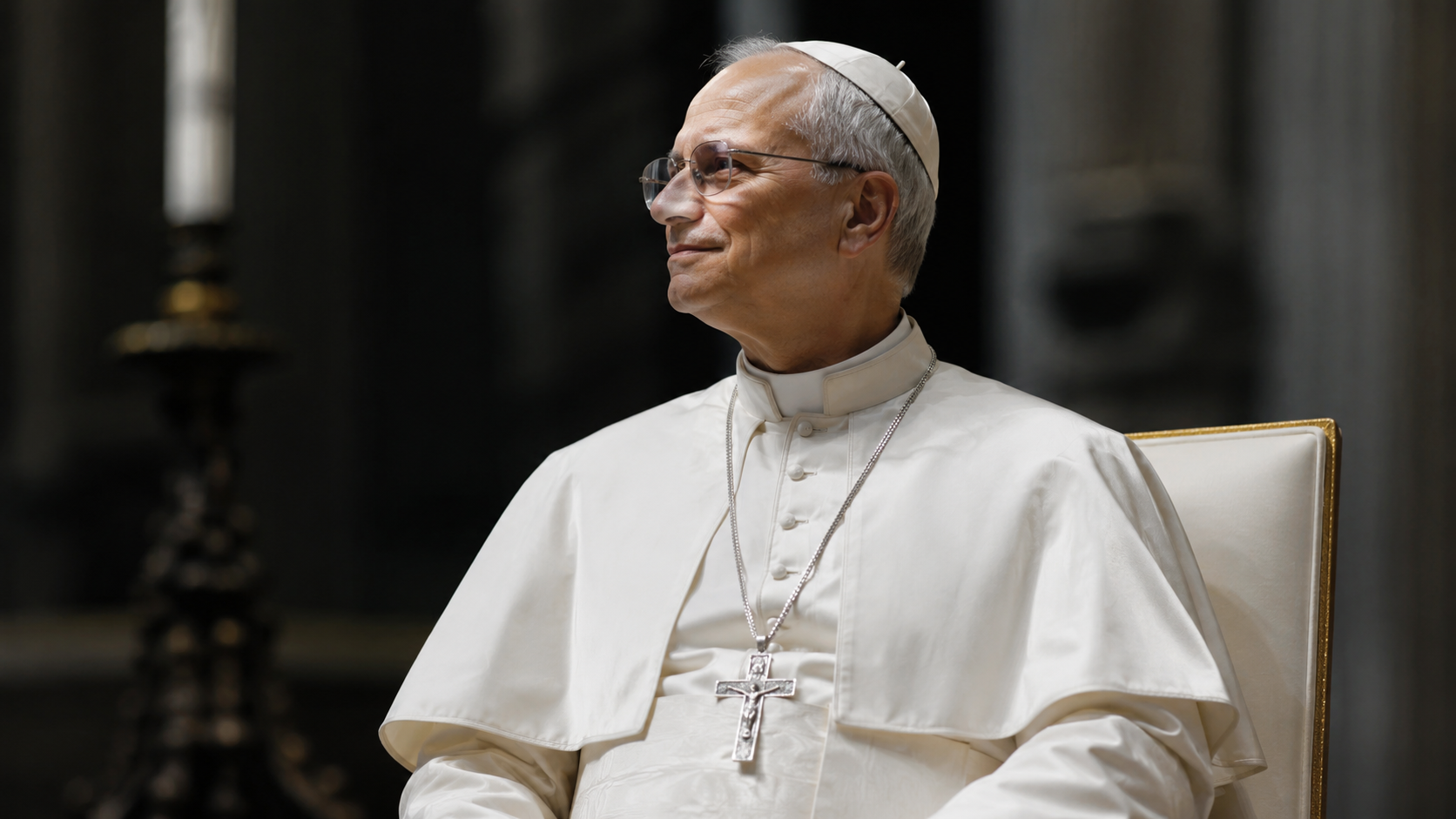
Pope Leo issued an unqualified apology Monday on behalf of the Catholic Church for its historic entanglement with slavery. The pontiff acknowledged the Church's delayed condemnation of the practice and its role in legitimizing subjugation over centuries. This marks the most direct admission of institutional responsibility to date from a papacy.
A Delayed Reckoning
In his seminal encyclical, "Magnifica Humanitas," Pope Leo stated it took the Church many centuries to recognize slavery as fundamentally incompatible with human dignity. He described the enduring legacy of this historical involvement as a profound "wound in Christian memory." The Pope expressed deep sorrow for the immense suffering endured by enslaved individuals throughout history.
The apology addresses how Church authorities at times regulated and legitimized forms of subjugation, including the enslavement of non-Christians, often in response to secular rulers. Historical records also indicate that various ecclesiastical institutions, even before these periods, maintained their own enslaved populations during the Middle Ages.
Beyond Past Statements
Previously, papal statements on slavery often focused on the actions of individual Christians rather than the institution of the papacy. Pope John Paul II, for instance, sought forgiveness in 1985 for the slave trade's impact caused by individuals from Christian nations. Pope Francis also condemned modern slavery and repudiated 15th-century papal documents that had been used to justify colonial enslavement.
However, these earlier pronouncements stopped short of directly addressing the papacy's own institutional role. Pope Leo's explicit request for pardon represents a significant departure, framing the responsibility within the Church's own history and teachings. The Church did not adopt a formal, absolute, and universal condemnation of slavery until the 19th century, under Pope Leo XIII, following a long period of doctrinal and practical inconsistency.
Context and Future Implications
The encyclical "Magnifica Humanitas" also addresses contemporary ethical challenges, including those posed by artificial intelligence and emerging forms of exploitation within the global economy. Pope Leo's personal background, with genealogical research revealing ancestry that includes both enslaved people and slaveholders, adds a unique dimension to his public stance.
This historic apology lays the groundwork for potential future dialogue and reconciliation concerning the Church's past actions. It invites a deeper examination of how historical injustices continue to resonate and sets a precedent for accountability regarding the Church's role in societal harms.