Aviation tax dispute drives Ryanair to slash city services as German competitiveness declines
Ryanair will close its Berlin base in October and cut winter flights 50%, citing Germany’s aviation taxes; seven aircraft will be reassigned.
Atlas Newsdesk ·
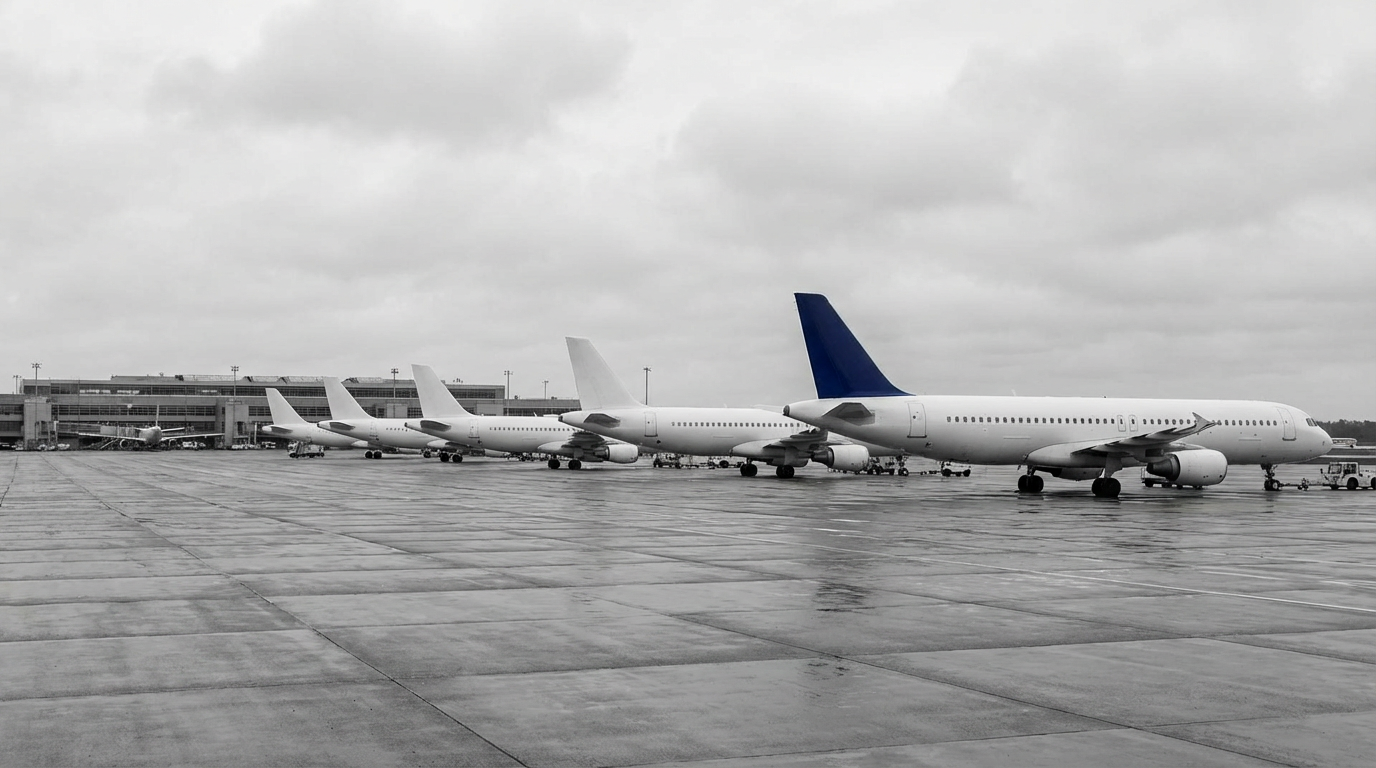
Ryanair said it will shut its operating base in Berlin, Germany, in October and cut its winter flight schedule from the city by 50%, citing rising aviation taxes and other costs in the German market. Eddie Wilson, Chief Executive of Ryanair DAC, linked the decision directly to what he described as escalating aviation taxes in Germany.
As part of the change, Ryanair plans to redeploy seven aircraft currently stationed in Berlin to other bases across Europe. The airline said the shift will reduce its annual passenger volume in Berlin from 4.5 million to 2.2 million. Ryanair added that it will continue to operate routes to and from Berlin, but those flights will be served by aircraft based outside the German capital.
The company also said employees at the Berlin base will be offered the option to transfer to other European locations. Ryanair argued that Germany has become less competitive for aviation because of high aviation taxes and airport charges, which it described as key drivers behind the scale-back.
The Berlin move follows earlier reductions in the country. Since 2019, Ryanair has closed bases in Frankfurt, Dusseldorf, and Stuttgart, and ended services to Dresden, Leipzig, and Dortmund. Ryanair said those earlier changes led to the removal of 13 aircraft from the affected bases.
Germany’s trade union Verdi criticised the latest decision, calling it a “purely profit-oriented corporate strategy” and saying employees were treated as “disposable commodities.” The dispute adds to broader frictions across Europe as airlines adjust capacity and staffing while trying to manage cost pressures.
The announcement comes as airlines globally face higher operating expenses, including jet fuel costs that have doubled since February, according to the information cited. Some carriers have used hedging to limit exposure, but the risk of further disruption remains. American Airlines, for example, expects an additional $4 billion in jet fuel costs this year.
Environmental and rail advocacy groups said the reduction in Ryanair’s Berlin operations could open space for more rail travel to and from the German capital. How many travellers will switch transport modes, and how airlines and airports respond to the cost pressures Ryanair highlighted, remains uncertain as the October changes approach.