Oil markets face structural risk from ongoing Hormuz blockade
Trump canceled US delegation trip to Pakistan after Iran refused talks. Tehran's new proposal is inadequate amid US blockade and Strait of Hormuz pressure.
Atlas Newsdesk ·
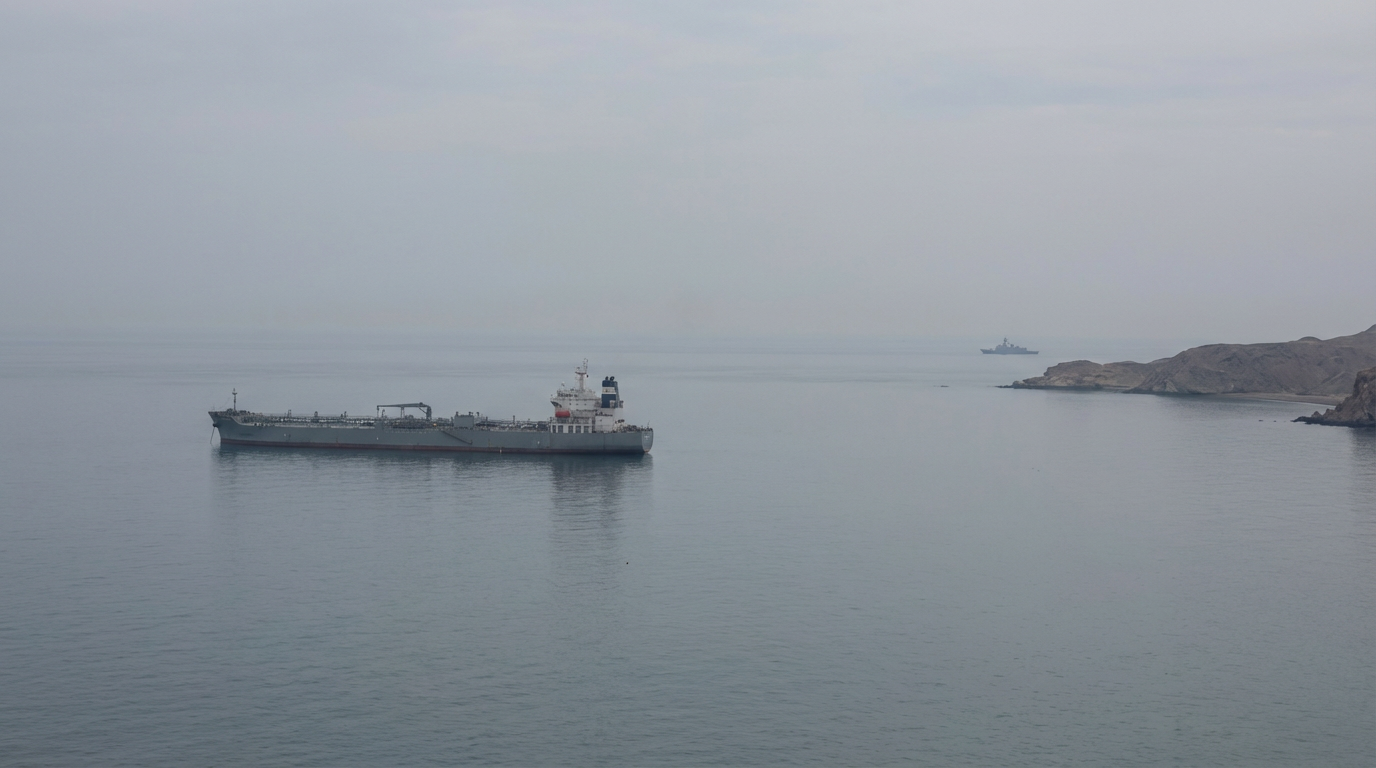
President Donald Trump called off a planned US delegation visit to Pakistan on Friday, redirecting the diplomatic effort to phone calls after Iran declined to sit across from American negotiators. Trump told reporters Tehran has since sent a new written proposal, which he described as offering "a lot but not enough." He gave no specifics on what the proposal contains or what Washington still demands. The cancellation closes off, at least for now, what had been positioned as the most direct US-Iran channel since the standoff escalated.
Counteroffer Not Enough
The trip was meant to anchor a Pakistani-mediated track that produced weekend meetings between Iran's foreign minister and Islamabad's envoys, followed by a stop in Oman. That track has not collapsed, but it has narrowed. Iran's foreign minister said publicly he is uncertain whether Washington is genuinely committed to diplomacy, a remark that Trump answered by blaming internal divisions inside Tehran for the slow pace.
Hardened Standoff
The current impasse follows months of escalating pressure that began with a US naval blockade and Iran's effective closure of the Strait of Hormuz, the chokepoint through which roughly a fifth of global oil shipments pass. Pakistan stepped in as a back channel after earlier Omani-hosted talks ran into the same wall: Iran refused face-to-face engagement with US officials, while Washington demanded direct dialogue as a precondition for any easing of pressure. Each side blames the other for the absence of a working format.
Impact on Iranian Households
Inside Iran, the squeeze is being felt at the cash register and the labor exchange. Food prices have climbed sharply, and unemployment is rising as the blockade chokes off imports and exports. Reporting from Iranian cities describes families cutting meals, small businesses laying off workers, and a generation of younger Iranians weighing emigration. The economic damage has not, so far, translated into the kind of public pressure that forces a faster deal.
Market Reactions
For the global economy, the closure of Hormuz is the more consequential variable. Shippers are rerouting where they can, insurance premiums on Gulf transits have jumped, and Asian refiners that depend on Middle Eastern crude are paying more for cargoes from elsewhere. Energy traders have stopped pricing the disruption as temporary and started pricing it as a structural risk that could persist into the next quarter, with knock-on effects on inflation in importer economies.
Lebanon Front
The diplomatic stall is unfolding alongside renewed violence on Israel's northern border. Israel has carried out fresh strikes on southern Lebanon despite a ceasefire that was extended by three weeks, and Hezbollah has answered with rocket fire into Israeli territory. Each exchange complicates the broader regional picture by giving Tehran another lever, and Washington another constraint, in any negotiation that eventually resumes.
Future Outlook
The near-term question is whether phone diplomacy can produce a face-to-face meeting before the economic and military pressures force one side to move first. The downside risk is a longer Hormuz closure that pushes oil higher and drags Asian and European growth with it. The upside, narrower than it was a month ago, depends on whether Tehran's new proposal contains enough to bring a US delegation back to the region — and whether the Lebanon front stays contained long enough for diplomacy to breathe.