Hormuz Reopens: Oil Prices Plummet
Oil prices fell Friday after Iran said the Strait of Hormuz would reopen, with Brent at $90 and European gas down to €38.8/MWh.
Atlas Newsdesk ·
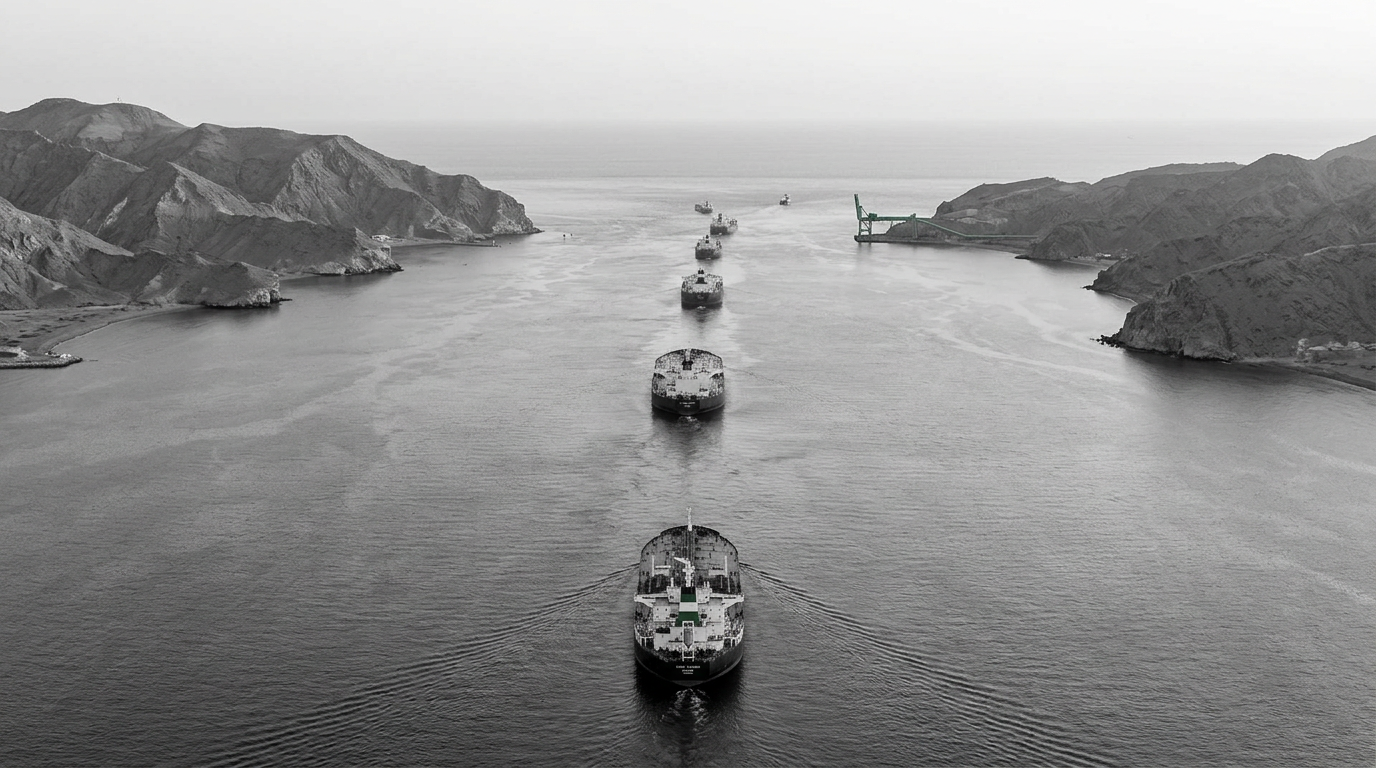
Global oil and gas prices fell sharply on Friday after Iran announced that the Strait of Hormuz would reopen to commercial shipping, easing immediate concerns about energy flows from the Gulf. The move came during a 10-day ceasefire between Israel and Lebanon, which has been cited as part of a broader de-escalation backdrop affecting regional risk sentiment.
Brent crude, the international benchmark, dropped 9% to $90 per barrel. In European gas markets, the benchmark contract declined by about 8.5% to €38.8 per megawatt hour, reflecting reduced fears of near-term supply disruption and transport bottlenecks.
Officials linked the market reaction to expectations that diplomatic progress between the United States and Iran could help resolve the conflict that has constrained fossil fuel shipments from the Gulf region. Traders appeared to price in a lower probability of prolonged shipping interruptions after the reopening announcement, given the Strait of Hormuz’s role as a key transit route for energy exports.
The Strait of Hormuz is widely treated by markets as a critical chokepoint, and recent tensions had already curtailed commercial traffic. The source material said threats from Iran’s Revolutionary Guards following recent conflicts contributed to a significant reduction in transits. Before the crisis, more than 130 ships crossed the strait each day; that flow had fallen sharply, leaving roughly 300 oil and gas tankers stranded in the Gulf.
Iran’s foreign minister said vessels could transit, but uncertainty remains over the practical terms of passage. The source material flagged open questions about whether transit fees could be imposed and whether shipping companies will be willing to route vessels through the waterway even after the reopening statement.
For global markets, the announcement matters because shipping access through Hormuz can influence both physical supply chains and price expectations across crude oil, refined products, and natural gas-linked contracts. A perceived easing of disruption risk can quickly translate into lower risk premiums, while lingering uncertainty over fees and insurer or operator decisions can keep volatility elevated.