Russia Holds Parliamentary Vote Amid Ukraine Conflict
Russia has begun a three-day parliamentary election that is expected to solidify the Kremlin's control and maintain legislative support for the ongoing war…
Lauren Collins ·
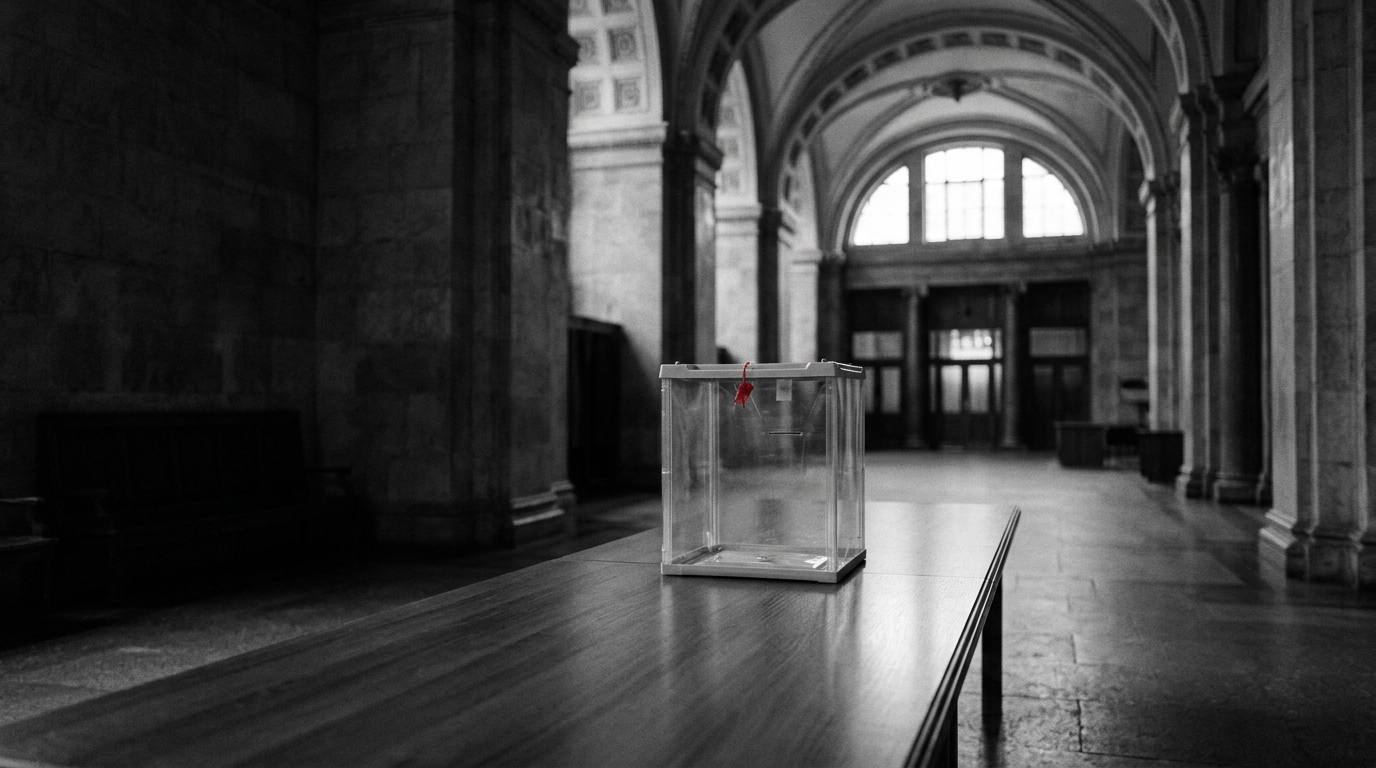
Voting began in Russia's parliamentary elections, a three-day process scheduled to conclude on Sunday, with the incumbent United Russia party widely expected to retain its legislative majority.
The election marks the first federal legislative contest since Russia initiated its military actions in Ukraine in February 2022. The electoral process has been expanded to include regions currently under Russian military occupation, a move that raises questions regarding international recognition and the legitimacy of results in those territories.
Kremlin's Tightened Control
Only political factions aligned with the Kremlin's military objectives have been permitted to participate in the election. This exclusion of opposition candidates ensures the continuity of current policy frameworks and legislative support for the ongoing military campaign.
The administration's primary objective remains institutional stability, with the election serving to consolidate executive control over the State Duma, Russia's lower house of parliament. This reinforces the government's ability to pursue its strategic goals without significant legislative challenge.
International Recognition Challenges
United Russia
The inclusion of occupied territories in the electoral process complicates the prospects for international recognition of the election's legitimacy. Numerous international bodies and governments have stated they will not recognize votes held in these contested areas.
Looking ahead, the outcome of these elections is likely to be viewed by the Kremlin as a mandate for its current policies, both domestically and internationally. However, for a cold reader, the specific impact on global macroeconomics or specific industries remains less clear from the immediate outcome, though the consolidation of power could influence future policy decisions.