Indonesia Commissions First Aircraft Carrier Amid Cost Debate
Indonesia has acquired a retired Italian aircraft carrier for disaster relief, sparking debate over its high operational costs and strategic necessity.
Lauren Collins ·
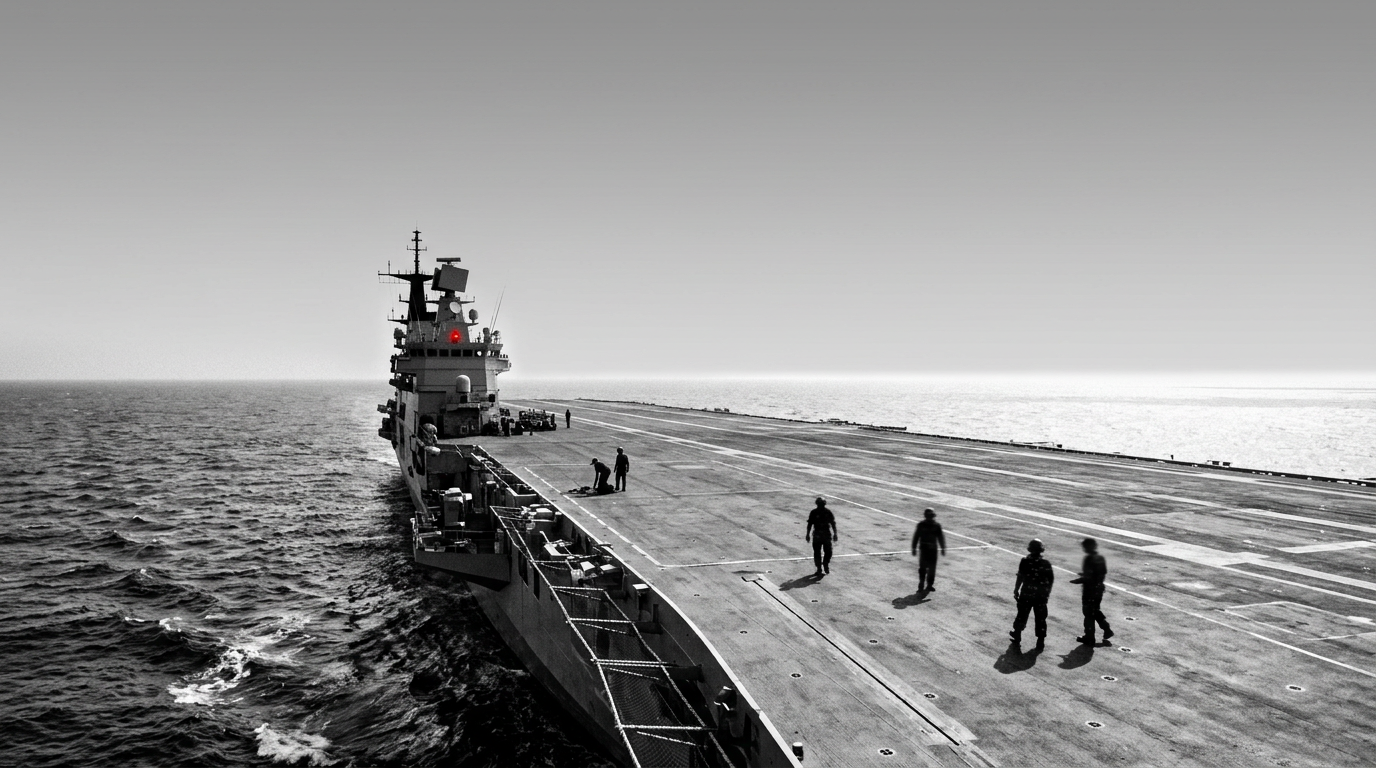
Indonesia officially commissioned its first aircraft carrier, the former Italian vessel ITS Giuseppe Garibaldi, this week, rebranding it as the KRI Gajah Mada. The 41-year-old ship is intended to serve as a mobile command center for disaster relief, maritime security, and aerial operations involving helicopters and drones across the archipelagic nation.
The acquisition has sparked significant debate domestically regarding its long-term fiscal impact. While Indonesia's finance ministry approved $450 million in financing for the program in 2025, legislative estimates, including one from Member of Parliament TB Hasanuddin, suggest that total retrofitting and operational costs could reach $900 million. Critics argue these expenditures are unsustainable given current economic pressures and competing social spending priorities.
Defense Capabilities Questioned
Defense analysts have raised concerns regarding the strategic necessity of the vessel, questioning whether the platform aligns with Indonesia’s actual operational requirements. The vessel has a stated capacity for short takeoff and vertical landing aircraft, along with helicopters.
There is ongoing scrutiny regarding the Navy's capacity to maintain an aging asset. Experts warn that the project may be driven by political prestige rather than objective military or humanitarian utility, noting the high operational costs associated with carriers.
Regional Context and Future Outlook
ITS Giuseppe Garibaldi
The transfer of the carrier makes Indonesia only the second country in Southeast Asia with such a vessel in its fleet, following Thailand's HTMS Chakri Naruebet, commissioned in 1997. President Prabowo Subianto's administration has prioritized defense expansion, seeking to acquire submarines, frigates, fighter jets, and missiles.
The vessel’s commissioning comes as Indonesia faces growing fiscal pressures, intensifying the debate over its cost versus its utility for defense and disaster response. The long-term costs of maintenance and operation remain a key point of contention.