Celtic Nationalist Parties Formalize Sovereignty Coordination
Nationalist leaders from Scotland, Wales, and Northern Ireland are formalizing a joint strategy to demand constitutional change and independence from the…
Lauren Collins ·
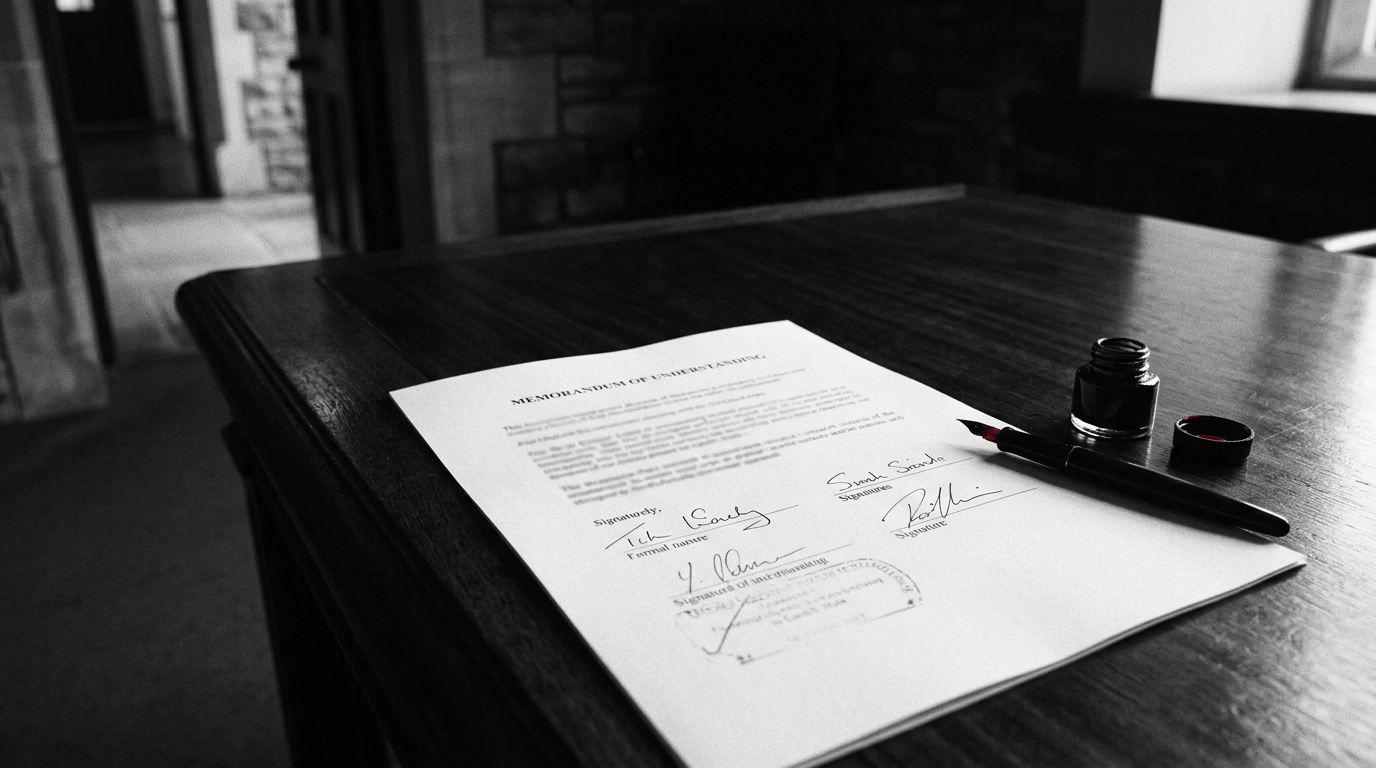
Nationalist leaders from Scotland, Wales, and Northern Ireland signed a memorandum of understanding in Cardiff, formalizing their coordination on constitutional sovereignty. The agreement asserts the right of Scotland, Wales, and Northern Ireland to pursue independence from the United Kingdom. It also calls upon the Westminster government to actively plan and facilitate constitutional transitions for these regions.
This initiative creates a formal political bloc that challenges the current UK administration’s devolution strategy. While Prime Minister Andy Burnham has prioritized regional power-sharing within England, he has maintained that a second Scottish independence referendum remains off-limits, reiterating this to Scottish National Party leader John Swinney last week.
The alignment of these three parties marks the first time separatist movements have held significant government influence across all three devolved nations simultaneously.
Cross-Party Unity
Northern Ireland
The agreement was signed by Scottish National Party leader John Swinney, Plaid Cymru leader Rhun ap Iorwerth, and Sinn Féin vice-president Michelle O’Neill. While they met in their capacity as party leaders, not government officials, the coordination extends to discussing energy, economic policy, and European relations.
A Plaid Cymru source described the summit as an opportunity for "a new partnership between our nations." External Pressure and Public Opinion External diplomatic pressure has increased following recent comments from President Trump endorsing Irish unity during a visit to Ireland, stating he "would love to see a united Ireland and that it may as well happen now." The UK government rejected this intervention. Current polling indicates varying levels of support for independence, with 47 percent of Scottish voters favoring independence in a hypothetical referendum, along with 36 percent in Northern Ireland and 32 percent in Wales.
This contrasts with Scotland's 45 percent to 50 percent support since the 2014 referendum.
Westminster's Challenge
Prime Minister Burnham's focus on English regional power
The new alliance presents a significant challenge to the UK government's approach to devolution. Prime Minister Burnham's focus on English regional power has been contrasted with his less clear stance on administrations in Belfast, Cardiff, and Edinburgh. The nationalist leaders share a belief that their nations' interests "will never be served by Westminster" and that their people "must have a meaningful say over their future."
The coordination among these parties suggests a potential shift toward a unified, long-term strategy for constitutional change. How the Westminster government responds to this formalized bloc, particularly given existing diplomatic pressures and public polling on independence, will shape the political landscape in the coming months.