

Russian refinery risk rises after Ukraine hits Petersburg site
The strike follows a failed energy ceasefire push and keeps oil infrastructure in the war’s firing line.
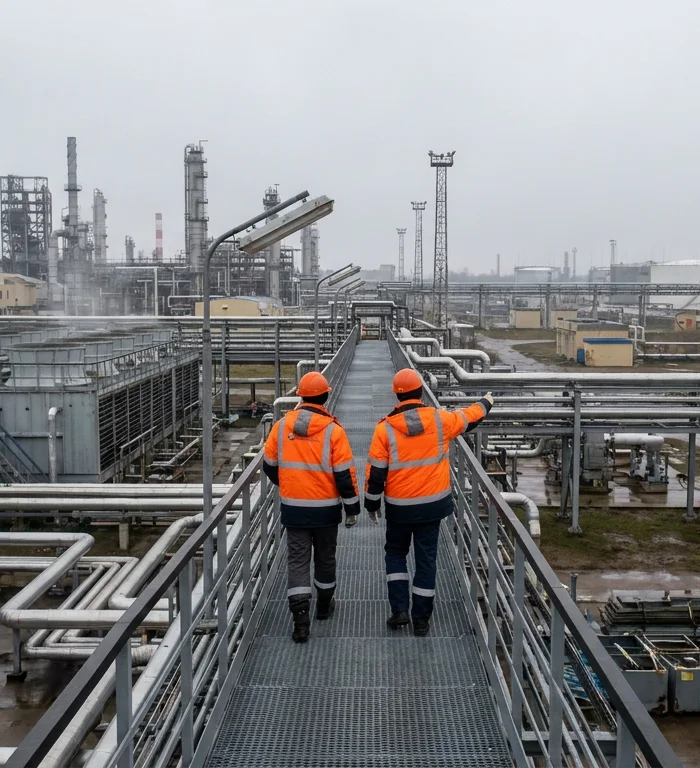
Ukraine hit a Saint Petersburg refinery on Oct. 18, extending strikes on Russian oil infrastructure after an energy ceasefire announced by President Trump last week broke down. Reaction pending.
Trump had announced the ceasefire without either Moscow or Kyiv saying beforehand that it had accepted the terms. The pause quickly failed, with Russia continuing attacks on Ukrainian electricity infrastructure and Ukraine later returning to strikes on Russian refineries.
Saint Petersburg refinery risk
The refinery strike keeps energy assets close to the center of the conflict. Russian refineries process crude into fuels used domestically and for export, so repeated attacks can affect product availability even when crude production is unchanged.
Trump has said Kyiv’s refinery attacks are contributing to higher global fuel prices. That claim links the military campaign to consumer fuel costs, though the payload did not provide market prices, refinery capacity figures or an official damage assessment from the Saint Petersburg site.
For global energy markets, the mechanism is supply risk rather than a confirmed loss of barrels. If refinery damage is limited, the effect may stay local. If attacks persist or hit larger facilities, traders may price in tighter diesel and gasoline supply from Russia.
Through Oct. 19, the next marker is whether Russian officials report damage or operating disruptions at the refinery, and whether Kyiv or Moscow signals a wider return to strikes on energy infrastructure.
More stories
- Borrowers face debt squeeze as reform timetable stretches
- Feijóo targets Catalonia’s 48 seats with Albiol housing pledge
- Louvre pledges €20m a year for security after jewel theft
- CoreWeave gains ARK backing as borrowing concerns persist
- Meta credits Apple for 816bn-parameter AI model on Mac Studio
- UBS raises Microsoft target to $675 before earnings
- Anthropic TAM pitch tops $30 trillion in IPO growth case
- Nvidia results steer Asian stocks as oil extends drop again
Latest news
- GLP-1 users report nail detachment at 39% in survey
- French police arrest more than 1,800 after cost-of-living protests
- Soy-derived LPC70 curbs salt-linked behavior changes in mice
- Meat-derived Neu5Gc tracks with 63% higher diabetes risk
- Godongwana faces 80% debt test in budget update
- Georgia faces surrogacy scrutiny after 1,100 births in 2023
- El Gouna selects 5 filmmakers for third Rising Stars cohort
- Vanillin shows wound-care potential in early research