

Meat-derived Neu5Gc tracks with 63% higher diabetes risk
A preliminary EASD presentation linked higher estimated intake of a red-meat sugar to later type 2 diabetes, but the observational design cannot establish…
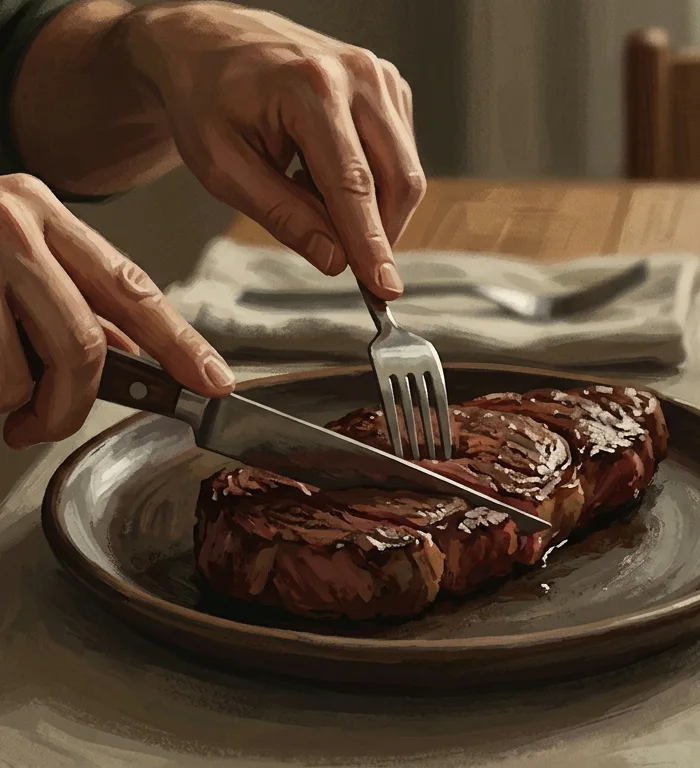
Researchers reported Oct. 18 in a conference presentation that adults with the highest estimated intake of meat-derived Neu5Gc had a 63% higher type 2 diabetes risk in an observational analysis of 89,953 French adults.
Evidence grade: Moderate (consistent observational data or small trials). The Oct. 18 European Association for the Study of Diabetes presentation matters because researchers recorded 966 new cases over a median 7.2 years, but the finding is observational and preliminary.
Neu5Gc, or N-glycolylneuraminic acid, is a sugar found especially in beef and lamb.
“Our findings support chronic inflammation as a specific mechanism linking red meat consumption with T2D, partly beyond the amount of red meat a person eats and partly independent of body fat,” said lead author Leopold Fezeu of Université Sorbonne Paris Nord, according to the European Association for the Study of Diabetes summary.
The researchers used data from NutriNet-Santé, a French cohort study that follows participants over time. Participants were 42 years old on average, 79% were women, and none had type 2 diabetes or cancer when they entered the study.
Each participant completed three 24-hour dietary records. Researchers estimated Neu5Gc intake using a validated food database and grouped participants by sex into five intake bands, comparing diabetes risk with the lowest-intake group.
A 63% higher risk is a relative comparison with the lowest estimated meat-derived Neu5Gc intake group.
The association remained statistically significant after adjustment for age, sex, physical activity, diet quality, smoking and existing medical conditions, according to the EASD summary. It weakened but remained significant after body mass index was added, and obesity accounted for about 13% of the association in the researchers’ estimates.
The signal became less clear when researchers also adjusted for total red-meat intake. After that step, the Neu5Gc association was no longer statistically significant, although the direction of the relationship stayed the same. That means the analysis cannot separate Neu5Gc from other components of red meat.
When all dietary sources were combined, participants in the highest intake group had a 37% higher risk than those in the lowest group, with the association described as driven mainly by red meat.
The study cannot show that Neu5Gc was independently responsible for higher diabetes risk, that inflammation is the mechanism, or that changing protein sources would reduce risk. Diet was estimated from food records rather than direct Neu5Gc measurements, and unmeasured lifestyle or social factors could still have influenced the result.
The findings apply most directly to adults similar to the NutriNet-Santé participants: French adults, mostly women, without type 2 diabetes or cancer at enrollment. The research team said future work should measure anti-Neu5Gc antibodies directly and examine how Neu5Gc interacts with other red-meat components, including heme iron.
Source: conference presentation via ScienceDaily Health, European Association for the Study of Diabetes, Oct. 18, 2026.
Atlas360 reports health research and does not provide medical advice.
More stories
- Soy-derived LPC70 curbs salt-linked behavior changes in mice
- Vanillin shows wound-care potential in early research
- Menin restoration improves older-mouse memory in 30 days
- BPC-157 use rises 33-fold despite limited human evidence
- Low-UPF diet links to lower depression scores in 20-person study
- Personalized gait retraining cuts osteoarthritis knee pain by 2.5 points
Latest news
- French police arrest more than 1,800 after cost-of-living protests
- Godongwana faces 80% debt test in budget update
- Georgia faces surrogacy scrutiny after 1,100 births in 2023
- El Gouna selects 5 filmmakers for third Rising Stars cohort
- Feijóo targets Catalonia’s 48 seats with Albiol housing pledge
- Iran parliament backs Akhlaghi as defence minister in 237-15 vote
- Govil seeks 50% or full BBL stake to expand T20 portfolio