Russia weighs $50M Armenia election influence plan
Russia explored a $50M plan to influence Armenia's election, aiming to weaken PM Pashinyan and support opposition candidates.
Lauren Collins ·
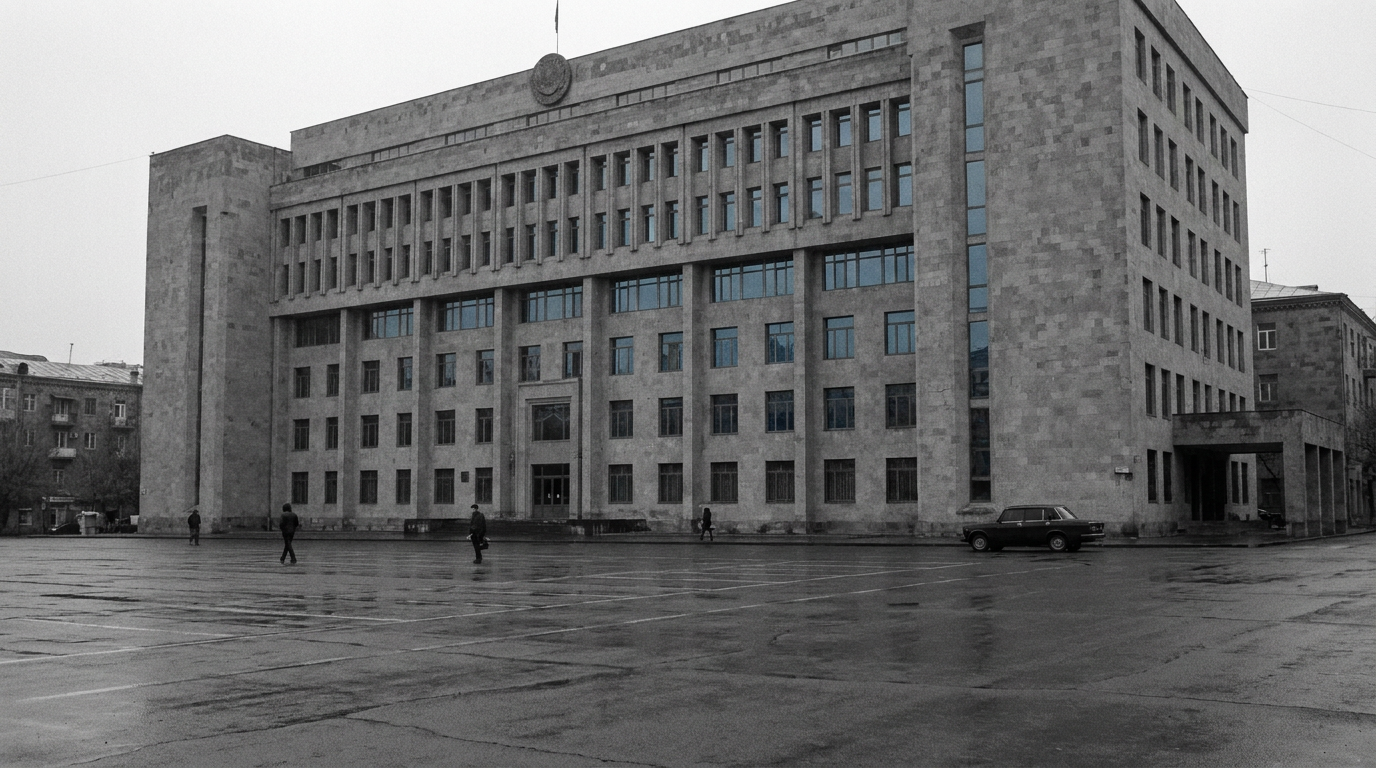
A clandestine Russian initiative, potentially costing $50 million, reportedly sought to sway Armenia's June 7 parliamentary election. The alleged plan aimed to undermine the political standing of current Prime Minister Nikol Pashinyan and bolster opposition parties.
This covert operation included proposals to facilitate the return of Armenian passport holders from Russia to vote in their home country. Despite these reported efforts, pre-election polling indicates Pashinyan's Civil Contract Party holds a strong lead.
Kremlin's Alleged Influence Strategy
Sources cited by Reuters indicated the Kremlin established the Directorate for Strategic Cooperation and Partnership in October. This agency was reportedly tasked with executing a broad spectrum of influence operations within Armenia.
These operations allegedly encompassed disinformation campaigns intended to shape public opinion before the critical parliamentary vote. The goal was to destabilize Pashinyan's government and shift the electoral landscape.
The Role of Expatriate Voters
One specific tactic considered by Russian officials involved mobilizing Armenian citizens residing in Russia. The proposal outlined plans to provide travel incentives, including free flights, for these individuals to return to Armenia and cast ballots for opposition factions.
Such an endeavor would represent a novel approach to electoral interference, leveraging diaspora communities. However, the logistical and financial complexities of such a large-scale repatriation effort remain significant.
Electoral Landscape and Future Implications
Despite the alleged external interference, recent polls suggest Prime Minister Pashinyan's Civil Contract Party is poised to secure a majority in the Armenian parliament. This indicates that while influence operations might be attempted, their effectiveness in fundamentally altering voter sentiment can be limited.
The Armenian electorate continues to grapple with its country's geopolitical alignment, balancing historical ties with Russia against growing aspirations for closer Western integration. The outcome of this election will likely define Armenia's foreign policy trajectory and internal reform agenda for years to come.